Eastvale, Rancho Cucamonga
New Garage Door Installation for Eastvale Homes
Eastvale homes mostly date from the 2000s, newer than much of the Rancho Cucamonga area. We install doors sized for that builder-grade stock, 12 miles out.
Why It Happens Here
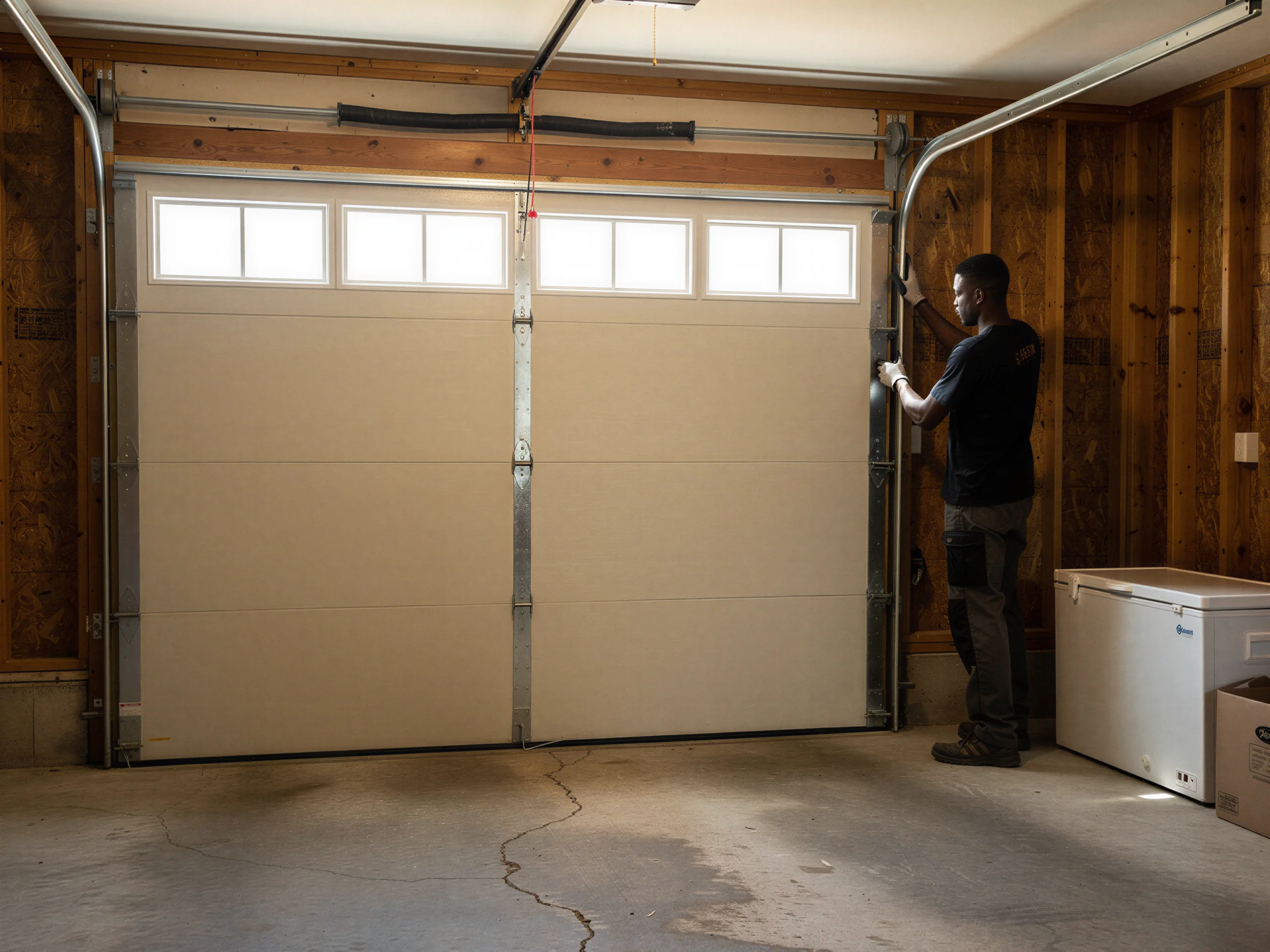
Eastvale is one of the newer corners of the territory we cover out of Rancho Cucamonga. The median build year here sits around 2007, which is noticeably later than the 1976 median that describes much of the wider service area, where housing runs anywhere from 1958 to 2007. That gap matters more than it sounds. Older neighborhoods closer to Rancho Cucamonga still carry original hardware from the 1960s and 70s - extension springs, lighter-gauge panels, openers that have already been swapped once or twice. Eastvale skips most of that history. Its garage doors are almost all original to construction, meaning builder-grade steel sections on torsion hardware sized for the wider double-car openings common in 2000s tract layouts. The failure pattern follows from the age, not from decades of wear. These doors are roughly fifteen to twenty years old now, which is exactly when torsion springs built to a standard cycle count start giving out, nylon rollers start cracking, and the first-generation openers that shipped with the house start struggling with the logic boards and sensors. We're not chasing wood rot or sagging jambs here - we're replacing hardware that's simply reached the end of a normal service life all at once, across a lot of houses built in the same few years.
What Can Go Wrong
Because Eastvale's housing stock is concentrated in that narrower, newer build window, the failures tend to cluster rather than spread evenly across different eras of hardware.
Unrated builder springs
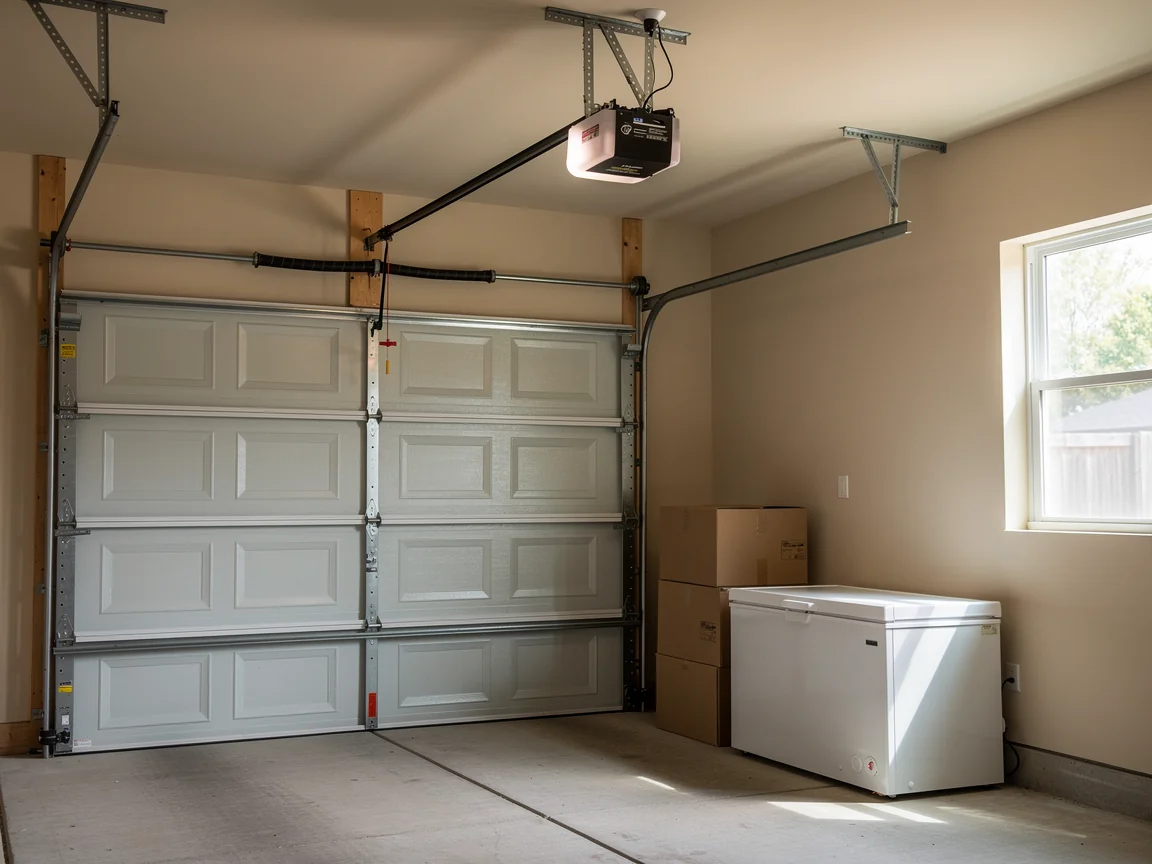
The torsion spring sized at construction for a standard steel door is often the first thing to go - builder-grade springs aren't rated for decades, and once the coil fatigues the door either won't lift or slams down hard.
Grinding nylon rollers
Rollers are the next common call: the stock nylon rollers that came with these doors wear out and start grinding, especially on the wider double-car openings that are typical in newer subdivisions. We also see photo-eye brackets knocked out of alignment, and first-generation opener logic boards that stop talking to the remote reliably - not a safety hazard most of the time, just an annoyance that gets worse.
Bumped car dents
Insulated steel panels denting from a bumped car is common too, since that's the panel type most of these houses shipped with from day one. What we don't see much of here is the rot and jamb failure that shows up on much older housing closer to the center of the service area - Eastvale's stock is too young for that particular problem.
What Is on the Truck
For a job in Eastvale, the truck carries what fits a newer, insulated steel door - torsion springs in a range of wind sizes, replacement rollers, insulated steel sections, and openers with the features that have become standard since these houses were built, including battery backup. The regional climate here runs on the moderate end of the heat scale, so we're not building in the extra insulation margin that colder-climate installs need - a standard insulated steel door holds up fine against the heat load this area sees. One honest limit: if a homeowner wants a solid wood or custom-clad door instead of steel, that's a special order, not a stock item, and it adds lead time we can't shortcut. For the builder-grade steel replacement that covers most Eastvale calls, we can usually quote and install from what's already on the truck without a special order.
Getting It Booked In
We run out of Rancho Cucamonga, and Eastvale sits about 12 miles out, toward the edge of the area we travel to regularly. That distance doesn't change the quote process - we still look at the opening, the current spring size, and what's failing before anything goes on the truck for the day. Because Eastvale's housing is fairly uniform in age, a lot of the sizing questions we'd normally have to ask on-site are already answered by knowing the build era: standard double-car torsion setup, insulated steel panel, factory opener bracket. That lets us schedule tighter and show up with the right spring wind and section size the first time, instead of coming back for a second visit. If a homeowner wants a non-standard door - wood, glass panel, a custom width - that's worth a call ahead of the visit so we can order the right stock before the truck heads out.
How It Shows Up
Most Eastvale calls start the same way: the door gets heavier to lift by hand, or the opener starts straining and making a new noise it didn't make a year ago.
Coil fatigue on springs
That's usually the torsion spring losing tension as the coil fatigues - normal at this point given how many of these doors are now fifteen-plus years into a standard builder-grade spring's service life. A second pattern is the door running crooked or catching partway up, which is often a roller that's cracked rather than the track being bent.
Blinking safety sensors
Less often, it's the opener itself - the remote works inconsistently, or the safety sensors blink without an obvious obstruction, which points to a first-generation logic board or a photo-eye bracket that's drifted out of alignment over time.
Wear, not structural damage
None of these point to structural problems with the house or the door itself; they're wear patterns that line up with a 2000s-era steel door reaching the age where its original hardware starts to need attention.
Questions
Common questions
Why does my door need work already if the house isn't that old?
Eastvale's housing is mostly from the 2000s, so a lot of garage doors here are approaching fifteen to twenty years on their original hardware. Builder-grade torsion springs and stock rollers aren't built to last indefinitely - that age is exactly when they start failing. It's not a sign anything else is wrong with the house.
Do you have a shop in Eastvale?
No. We're based in Rancho Cucamonga, about 12 miles out, and travel to Eastvale for jobs. We don't claim a branch or depot here - just a crew and a truck that comes out from Rancho Cucamonga to handle the install.
Can you match the insulated steel door my house already has?
Most Eastvale houses came with standard insulated steel sections, and that's stock on the truck, so matching it is usually straightforward. If you want a different material - wood or a custom clad panel - that's a special order with longer lead time.
Will a new opener work better with the heat here?
The heat band in this part of the service area is moderate, not extreme, so a standard insulated steel door and a standard opener handle it fine. We're not spec'ing anything extra for heat load on a typical Eastvale install.
Explore more
More Services in Eastvale
Garage Door Repair
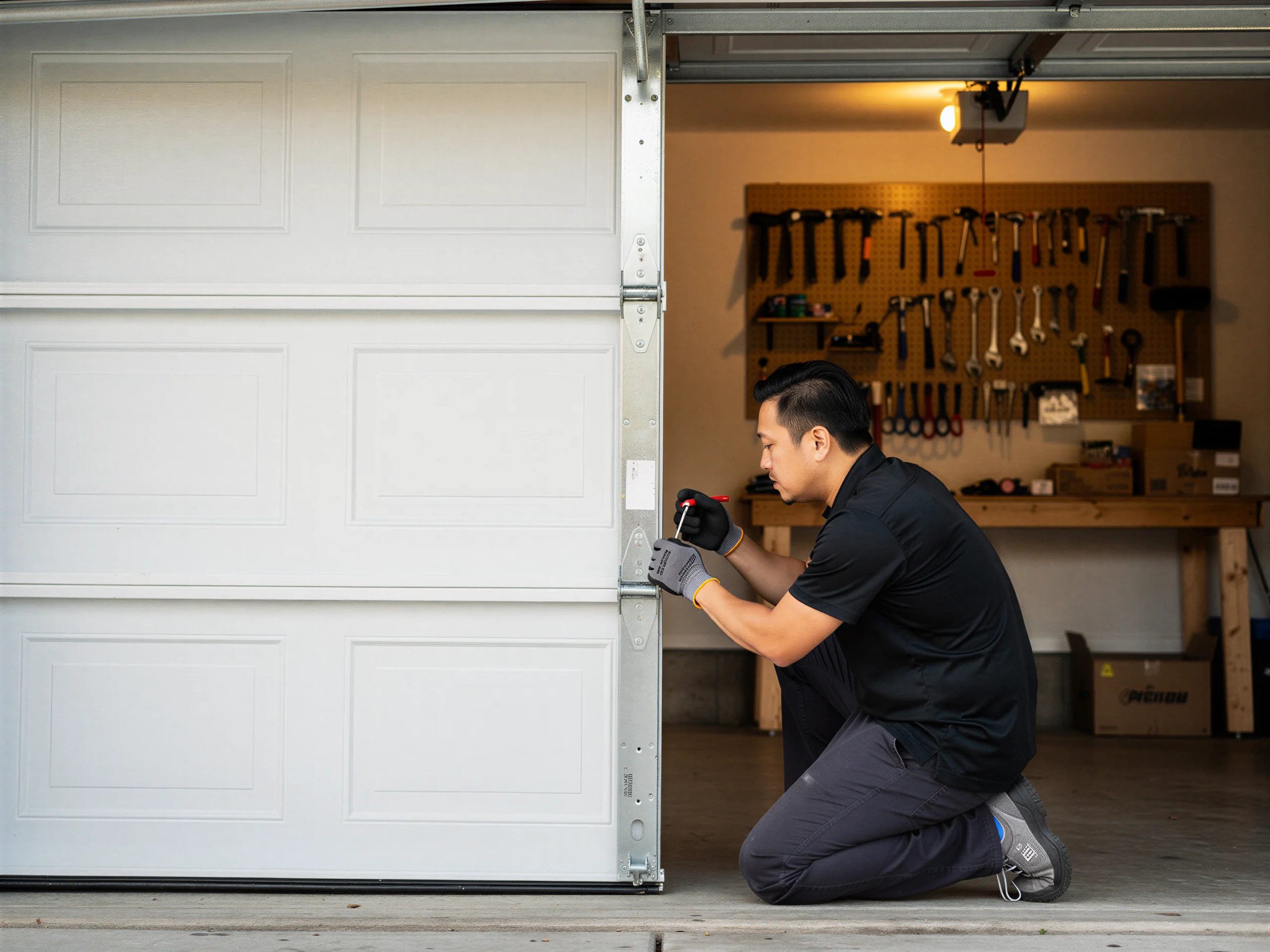
Eastvale's housing is some of the newest in the area, built around 2007. Learn more →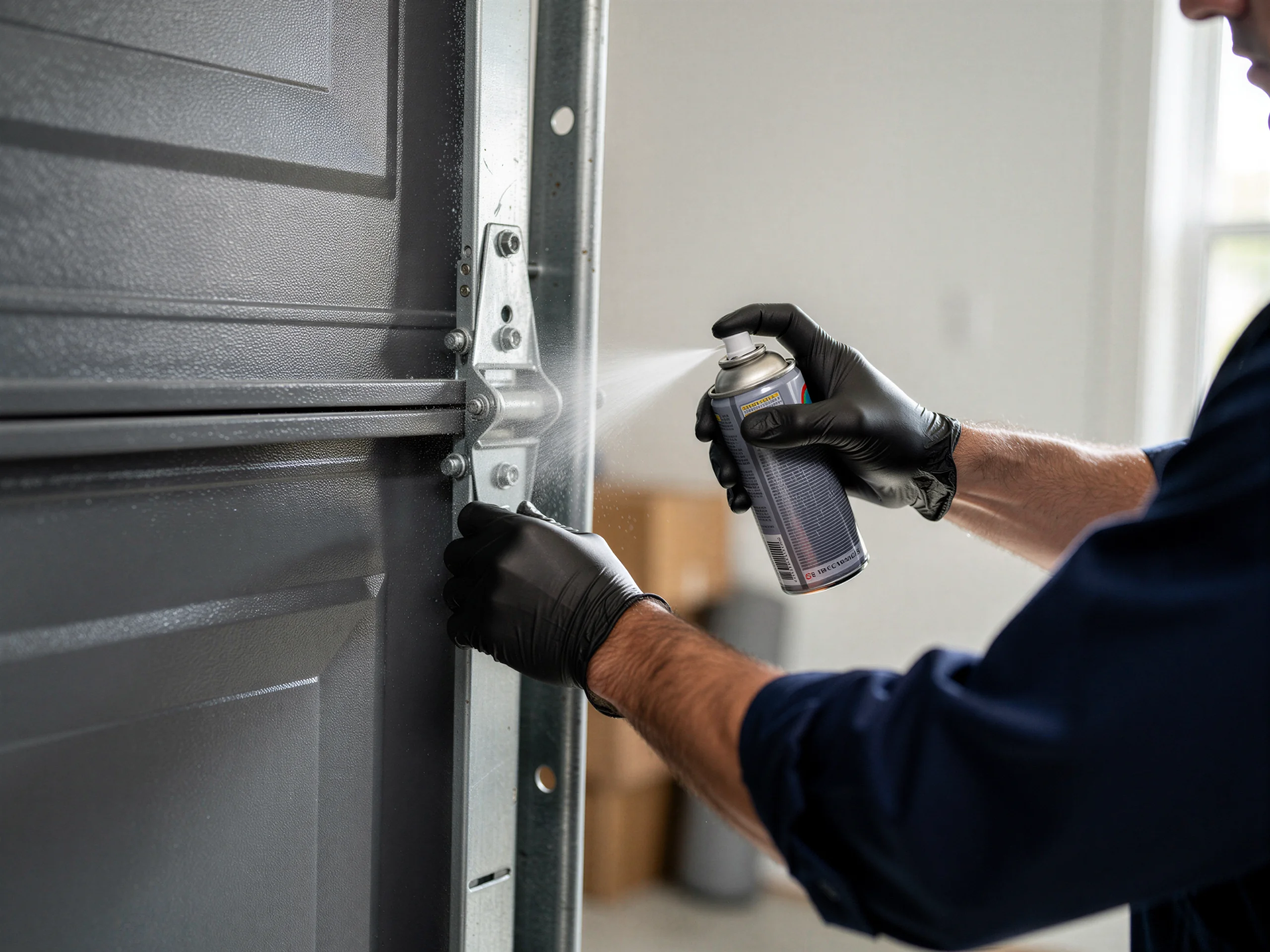
Garage Door Service
Eastvale homes are newer than most of the service area, built from the 2000s on. Learn more →
Maintenance
Eastvale's housing stock is the newest in the service area, built right around 2007. Learn more →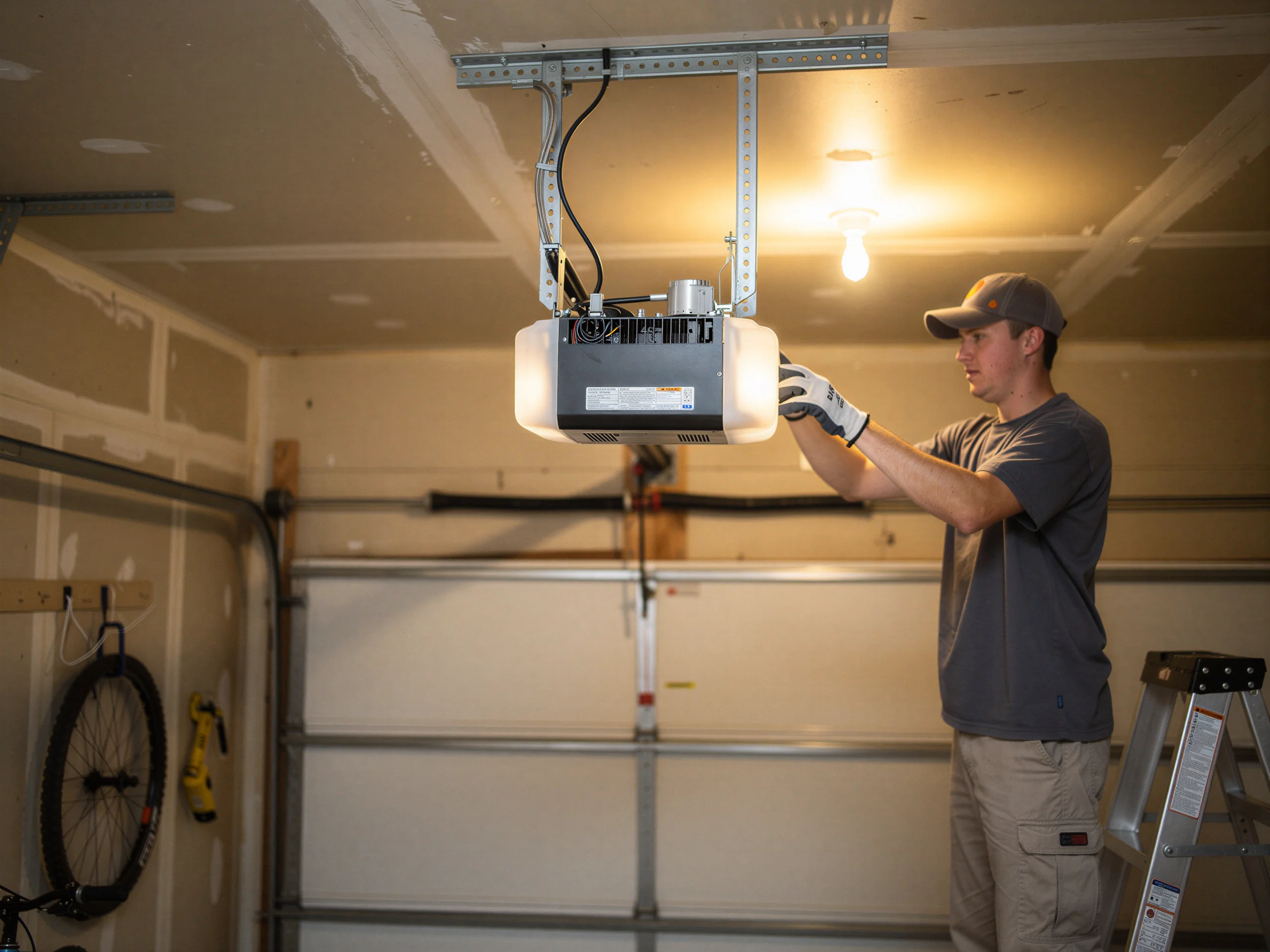
Opener Repair
Eastvale's housing is mostly newer construction, built through 2007, so original builder-grade openers are now aging out. Learn more →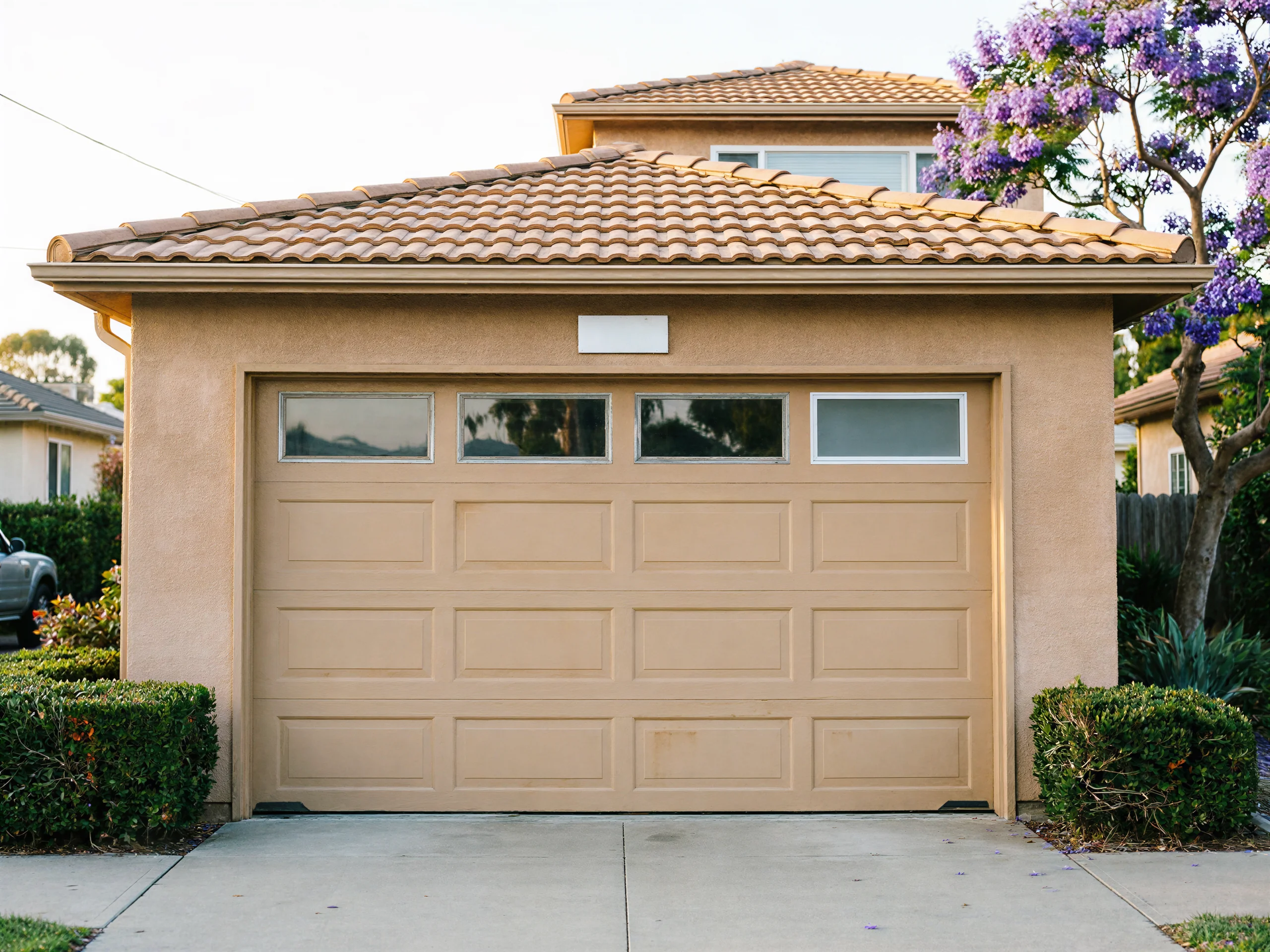
Panel Replacement
Eastvale homes mostly date to the 2000s building boom, so panel faults here run to builder-grade steel and wide double doors. Learn more →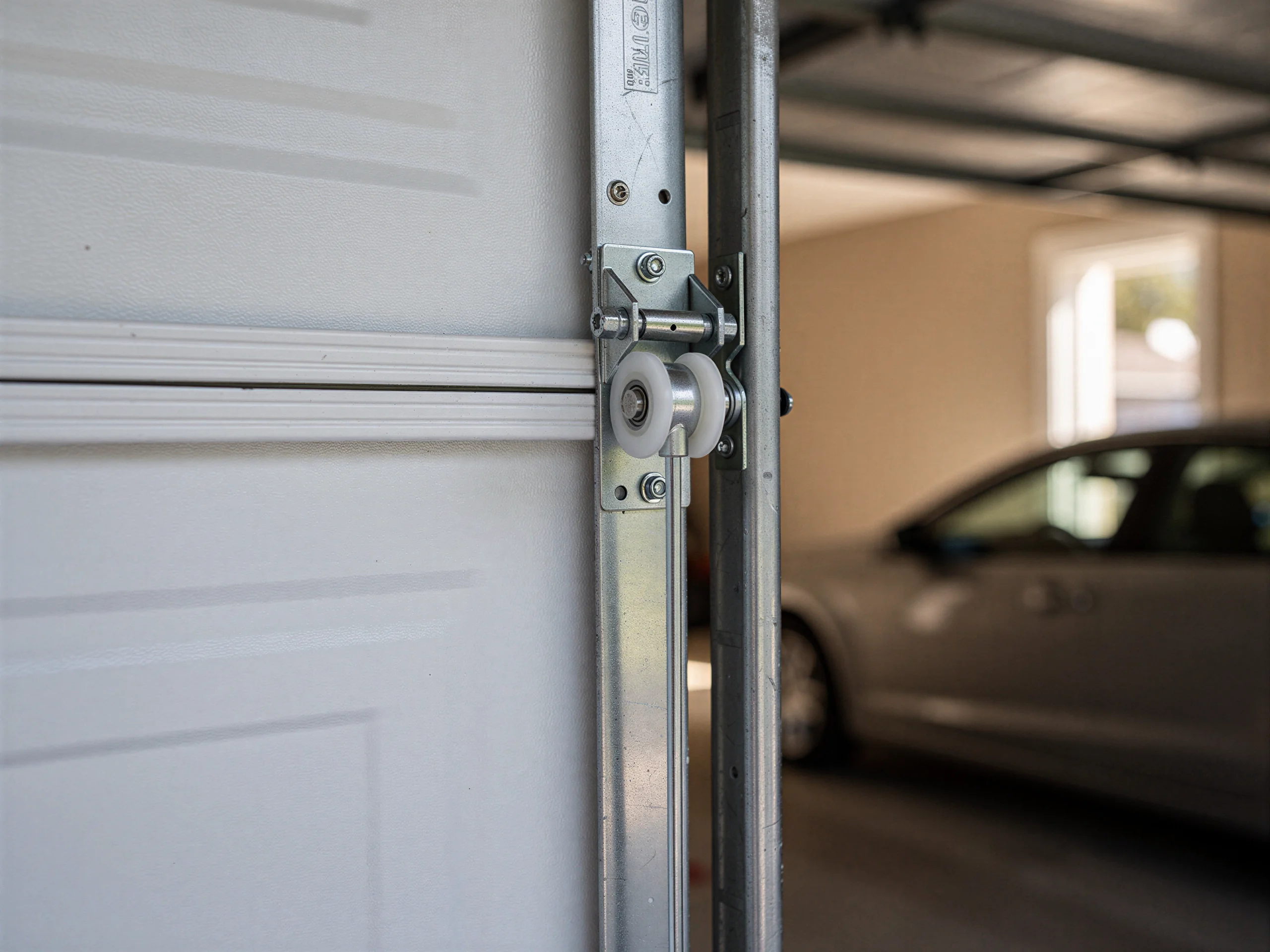
Roller Replacement
Eastvale homes mostly went up around 2007 with builder-grade rollers now near the end of their life. Learn more →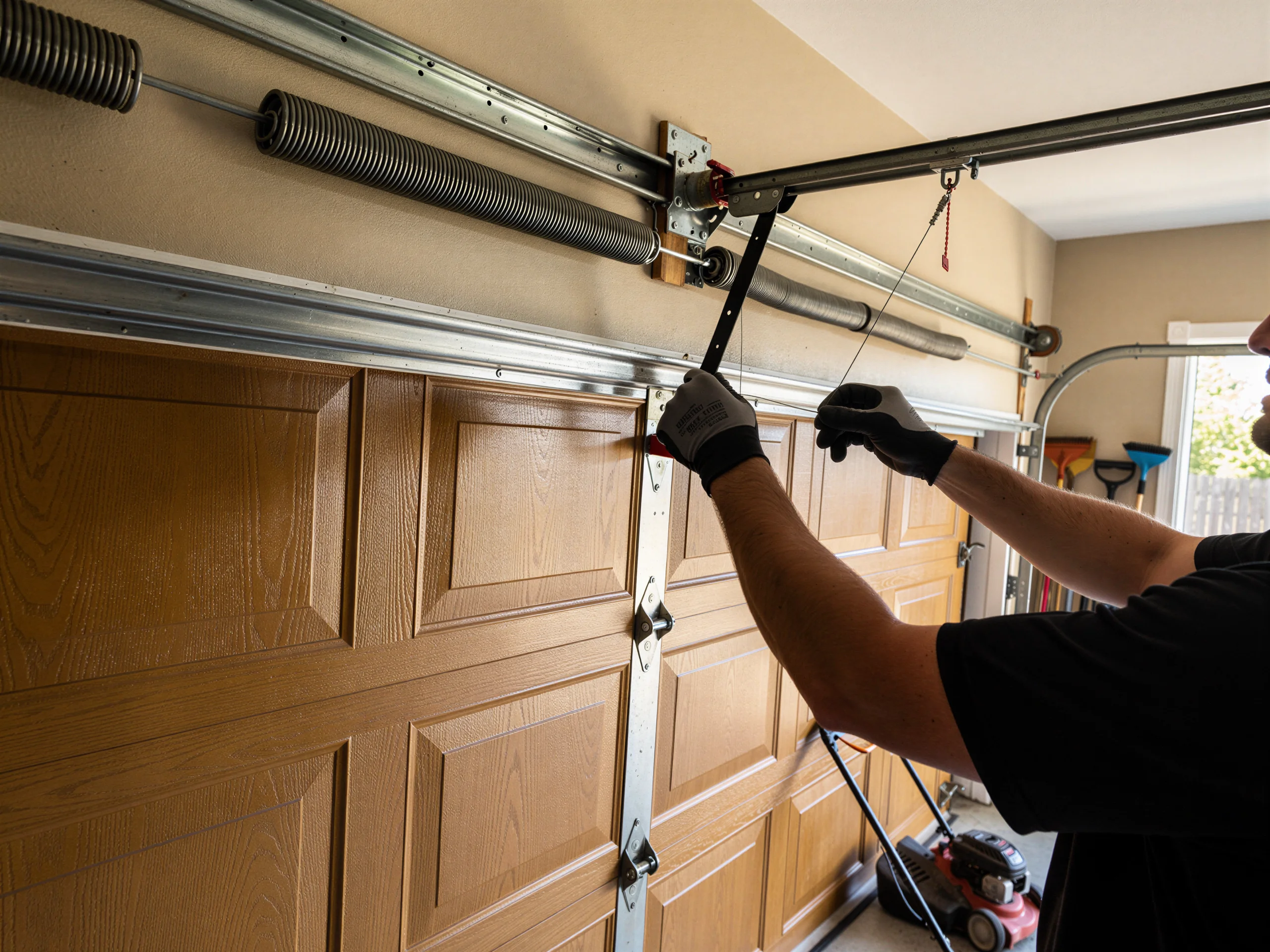
Spring Repair
Spring repair for Eastvale's newer two-car garage doors, built out mostly after 2000. Learn more →Ready when you are
Ready for a new garage door in Eastvale?
Rancho Cucamonga Garage Door Pros repairs and installs garage doors, springs and openers in Rancho Cucamonga, CA and the surrounding area.