
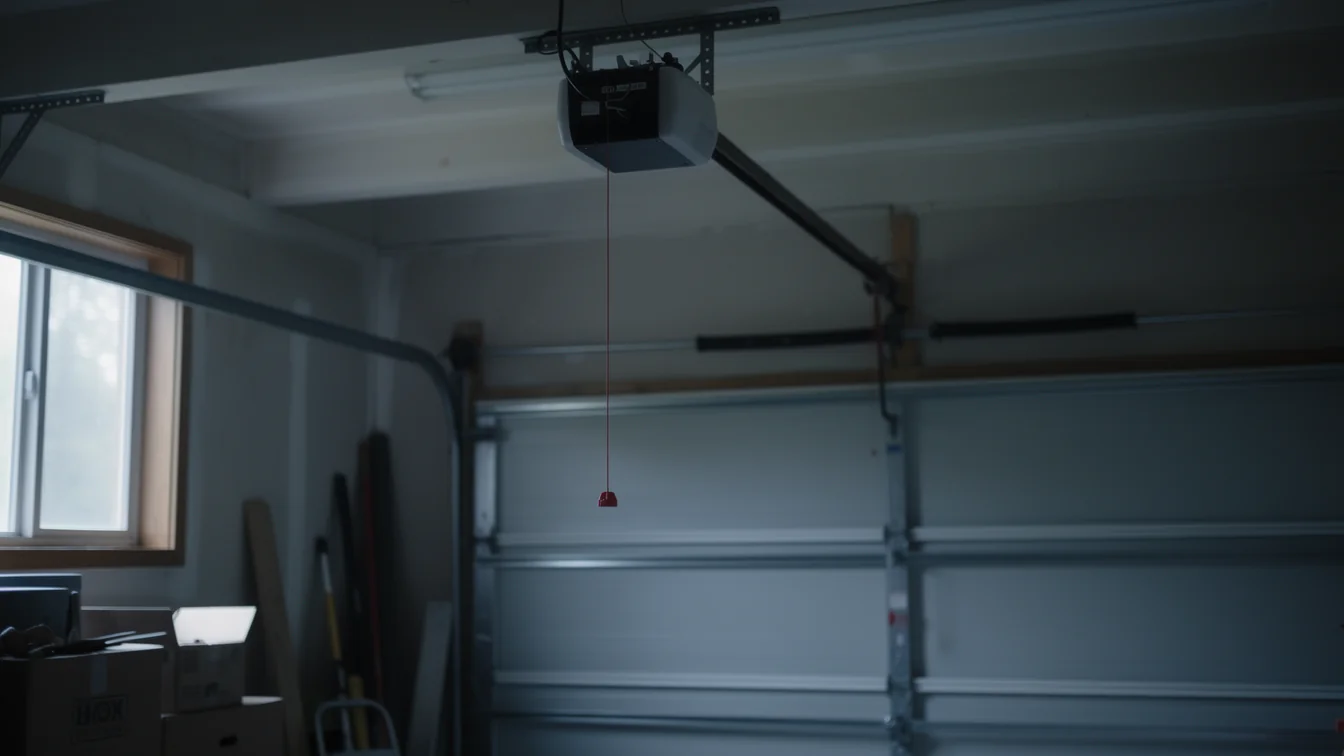
 What a Power Cut Does to Your Garage Door Opener in Rancho Cucamonga
Rancho Cucamonga homes built mostly in the 1960s-70s run openers that predate battery backup and heat-rated boards.
Draughty Garage Doors in Rancho Cucamonga: What's Actually Going On
Why garage door weather seals fail faster on Rancho Cucamonga homes built mostly in the 1960s-70s, what the heat does to that rubber, and when a draught is worth a call.
Local detail
The Problem
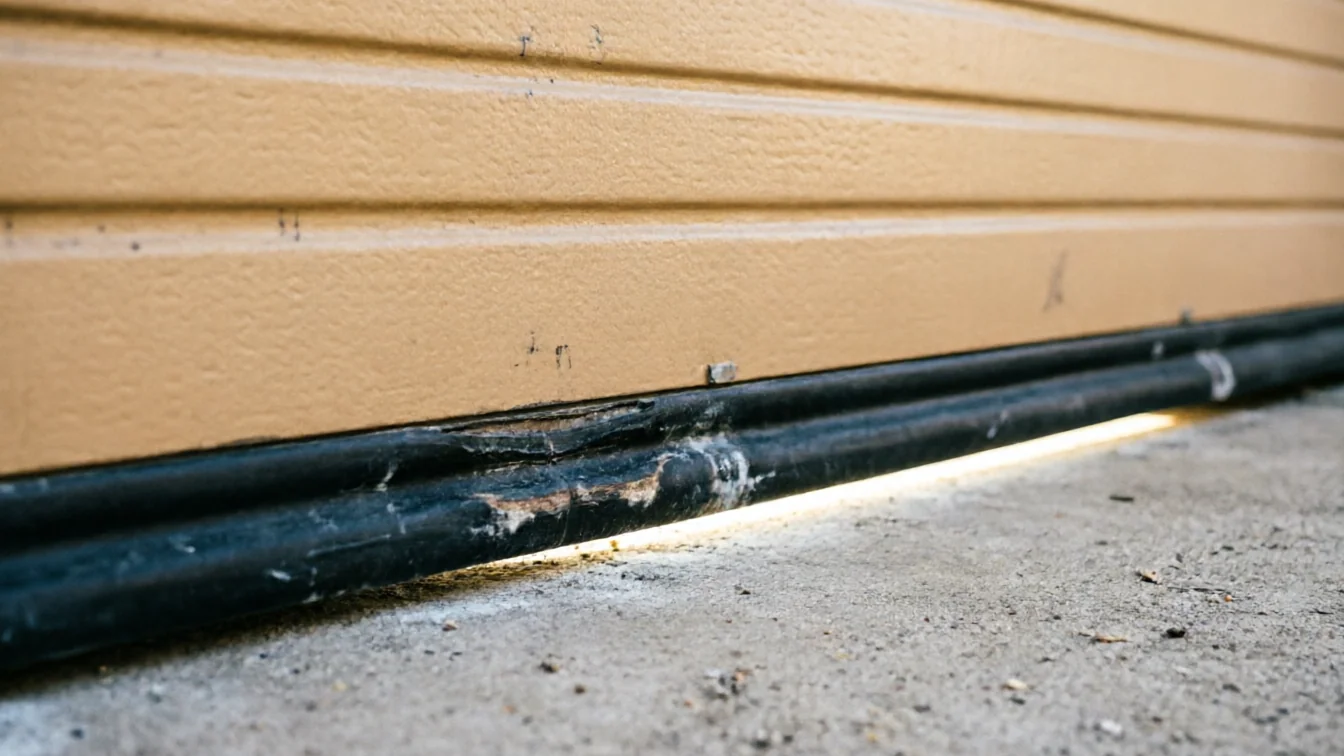
Walk into most Rancho Cucamonga garages and you're standing under a door that's older than you think, even if it's been repainted. Housing stock here runs from 1958 to 2007, with the median build year landing at 1976, and the bulk of it clusters in that 1960s-70s wave across the twenty-one named areas that make up this valley. That matters for seals specifically because the bottom gasket and side weatherstripping on a door from that era were built to a standard that assumed replacement every decade or so, not fifty years of sun. A lot of owners never touched it. The result is a strip of vinyl that's gone brittle, pulled away from the track, or shrunk enough that you can see daylight under the door on a bright afternoon. That gap isn't cosmetic. It's letting in dust, heat, and whatever's blowing across the driveway, and it's doing it quietly enough that most people don't notice until the garage itself starts feeling like an extension of the outside air rather than a sealed room attached to the house.
The area
What Local Conditions Do
Rancho Cucamonga sits in a moderate-heat climate band, and that's the specific thing working against your seal, not storms, not freeze-thaw, just repeated heat cycling. Vinyl and rubber weatherstripping hardens and cracks under sustained heat exposure faster than it does under almost any other condition, and a door facing west or south in this part of the valley gets a long, direct dose of it most afternoons. Over years, that cycling is what turns a once-pliable seal into something stiff that no longer flexes against the slab, which is exactly when draughts start. This isn't unique to one block. From San Antonio Heights a few miles west to Claremont to the south, houses built in that same general stretch of decades are dealing with the same seal breakdown, because the climate band and the building era line up across the whole area. The fix isn't exotic, it's usually a seal swap, but the cause is worth naming because it explains why a ten-year-old seal here can look like a thirty-year-old one somewhere cooler.
What we find
When to Call Someone
Call if you can see a strip of daylight along the bottom or sides of the door when it's shut, or if you feel a steady draft standing near the door on a still day. On a lot of the 1960s-70s builds that make up most of this area, the original track and jamb were sized for a seal profile that's no longer sold the same way, so getting the right replacement isn't always a grab-it-off-the-shelf job, and that's worth a second look before you buy a seal online and find it doesn't seat right. Also call if the seal has pulled loose in chunks rather than just gone stiff, since that usually means the retaining channel itself has warped from years of heat and needs attention too, not just the strip. If the door drags or binds when it opens after you've noticed the draught, that's no longer a seal-only issue and worth having looked at before you try to force it.
How we work
When Waiting Is Fine
If the seal still flexes when you press on it and the gap is small, you don't need to treat it as urgent. A seal that's a little worn but still making contact with the slab is doing most of its job, and waiting until it's genuinely failed, cracked through, or visibly gapping is a reasonable call rather than a risk. Cooler months in particular buy you time, since the heat cycling that does most of the damage slows down and a marginal seal won't degrade as fast. One honest limitation here: we can't tell you from a description alone whether your seal needs a five-minute swap or whether the track behind it has warped enough to need more work, and guessing wrong wastes a trip. If you're not sure which camp you're in, a quick look settles it faster than trying to diagnose it from across the garage.
Questions
Common questions
Why does my garage door seal keep cracking faster than other rubber around the house?
It's the heat. Rancho Cucamonga sits in a moderate-heat climate band, and the bottom and side seals take direct, repeated heat exposure every afternoon with no insulation to buffer it. Over years that stiffens vinyl and rubber until it can't flex against the slab anymore, which is when you start feeling draughts.
My house was built in the 1970s, is the original seal still on there?
It's possible. Most Rancho Cucamonga homes were built between 1958 and 2007, with a lot clustered in the 1960s-70s wave, and seals from that period were never meant to last this long. If yours hasn't been replaced, it's well past its expected life and worth checking for cracking or shrinkage.
Is a draughty garage door actually a problem or just annoying?
Depends on the gap. A small one that still makes partial contact with the slab usually isn't urgent. A visible gap you can see daylight through is pulling in dust and heat and is worth fixing, since it's only going to widen as the seal keeps hardening in this climate.
Recommendation
You Might Also Like
More garage door guides for Rancho Cucamonga homeowners.
What a Power Cut Does to Your Garage Door Opener in Rancho Cucamonga
Rancho Cucamonga homes built mostly in the 1960s-70s run openers that predate battery backup and heat-rated boards.
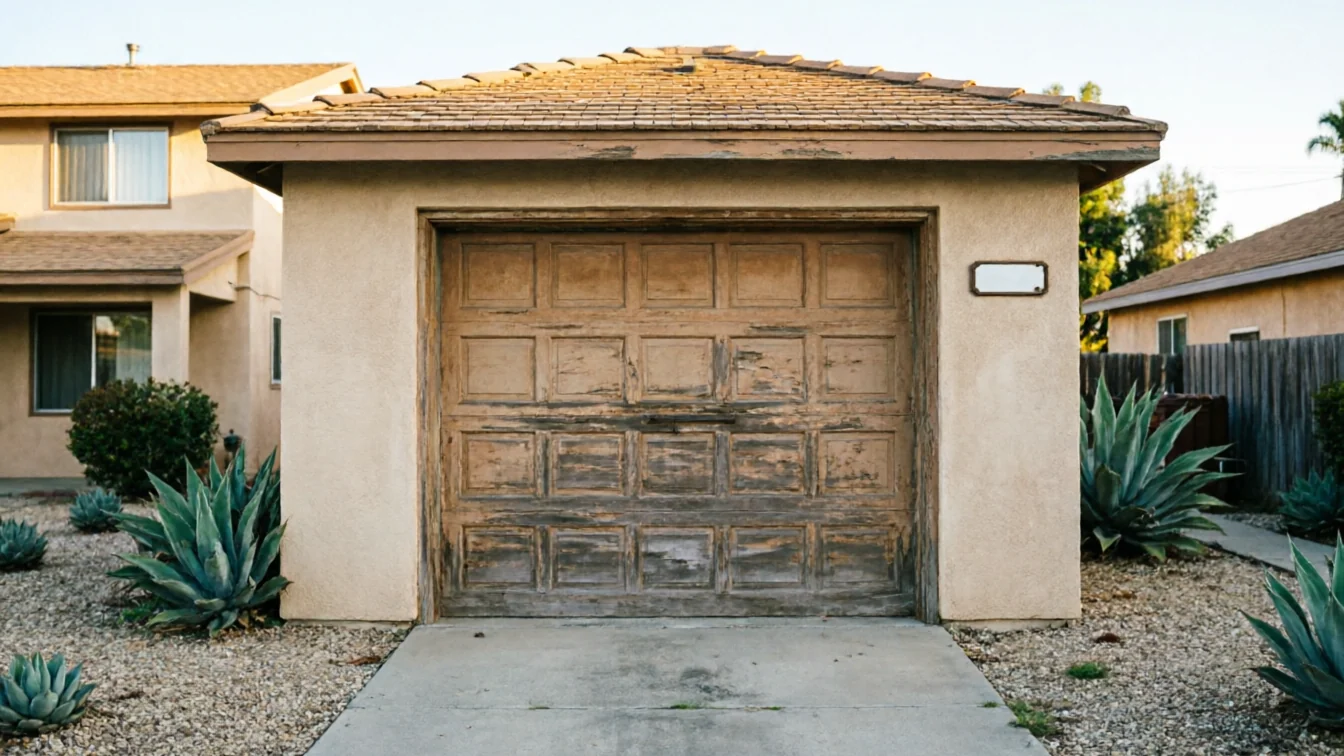 Is Your Old Garage Door Worth Fixing in Rancho Cucamonga
Rancho Cucamonga homes mostly date 1958-2007, median build year 1976.
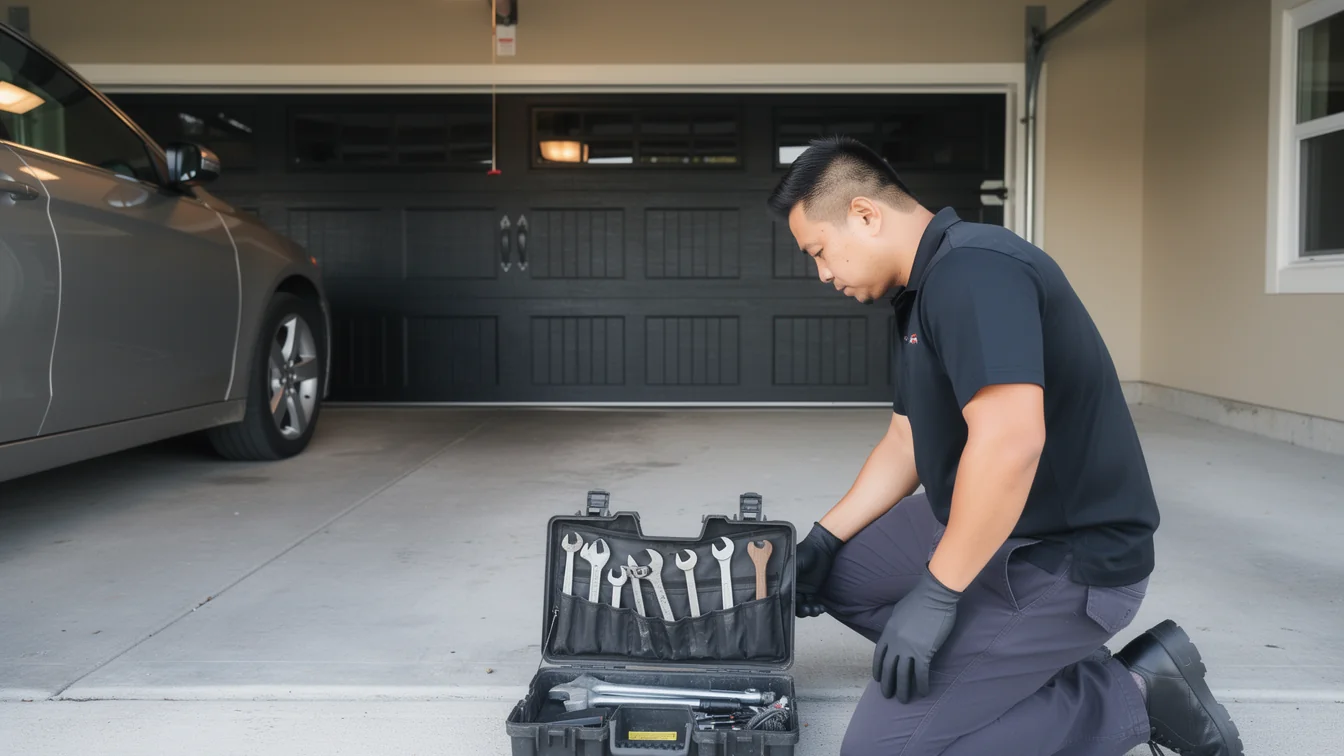 What a Service Call Actually Covers
A service call in Rancho Cucamonga usually means a 1960s-70s door, heat-dried lubrication, or hardware as old as the house itself - here's what gets checked.
Ready when you are
Need a garage door sorted in Rancho Cucamonga?
Rancho Cucamonga Garage Door Pros repairs and installs garage doors, springs and openers in Rancho Cucamonga, CA and the surrounding area.