
Eastvale, Rancho Cucamonga
Garage Door Repair for Eastvale Homes
Eastvale's housing is some of the newest in the area, built around 2007. We travel from Rancho Cucamonga to fix the openers, springs, and rollers that come with that newer stock.
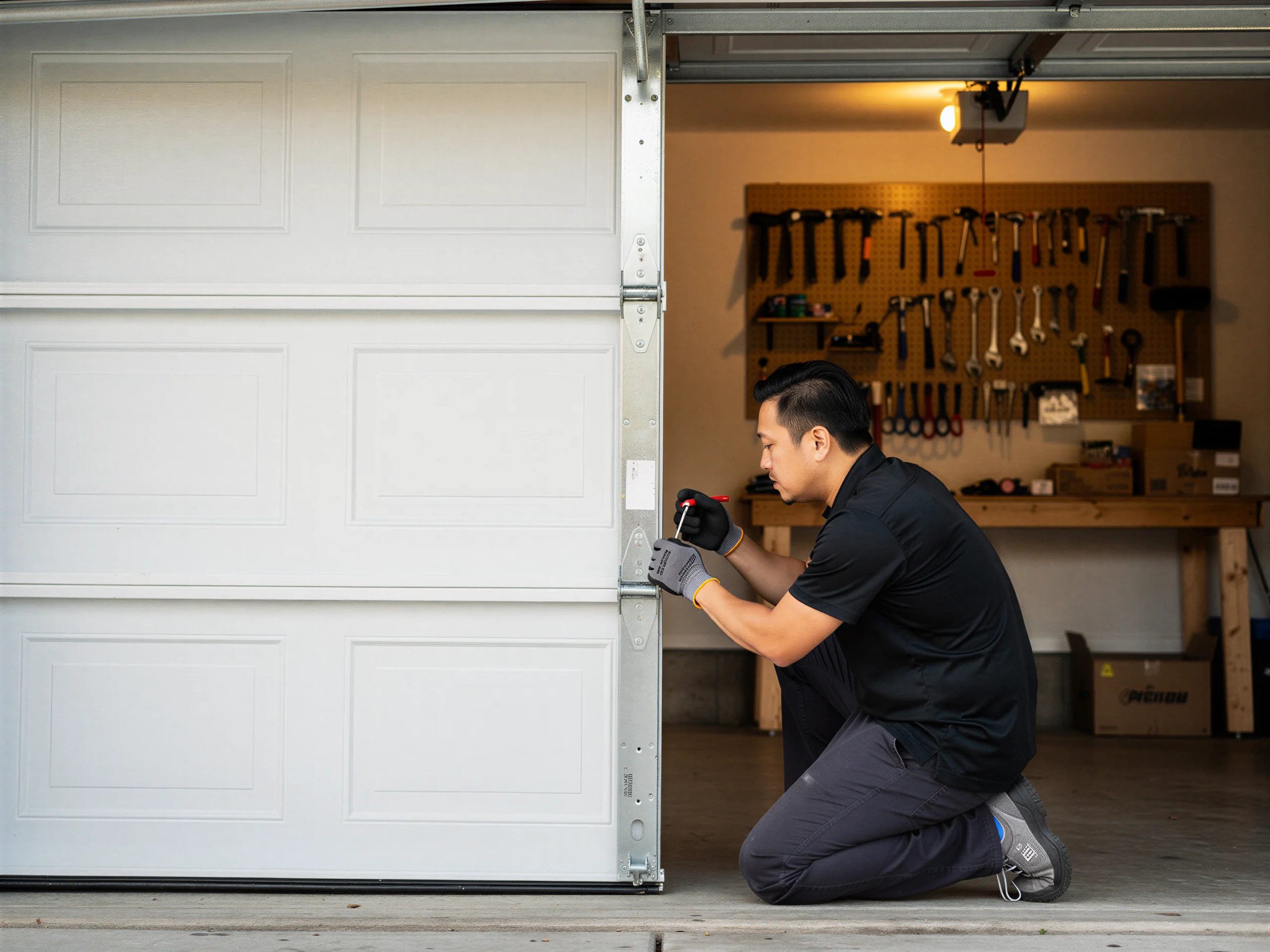
Why It Happens Here
Eastvale is a smaller piece of the territory we cover - about 17,824 households, compared to the quarter million across the wider service area. That smaller number matters because it means a tighter, more uniform mix of houses: most of what's here went up around the same stretch of years, with a median build year of 2007. That's late compared to a lot of what we work on elsewhere, where houses can date back to the late 1950s.
Newer houses mean newer garage door systems, but newer isn't the same as trouble-free. A door installed in the mid-2000s is now old enough that its original opener logic board, sensor wiring, and plastic rollers are wearing out at the same time across a lot of driveways, because they were all put in within a few years of each other. When one opener on a street starts failing, we usually see two or three more calls from the same era of construction within a few months.
What Can Go Wrong
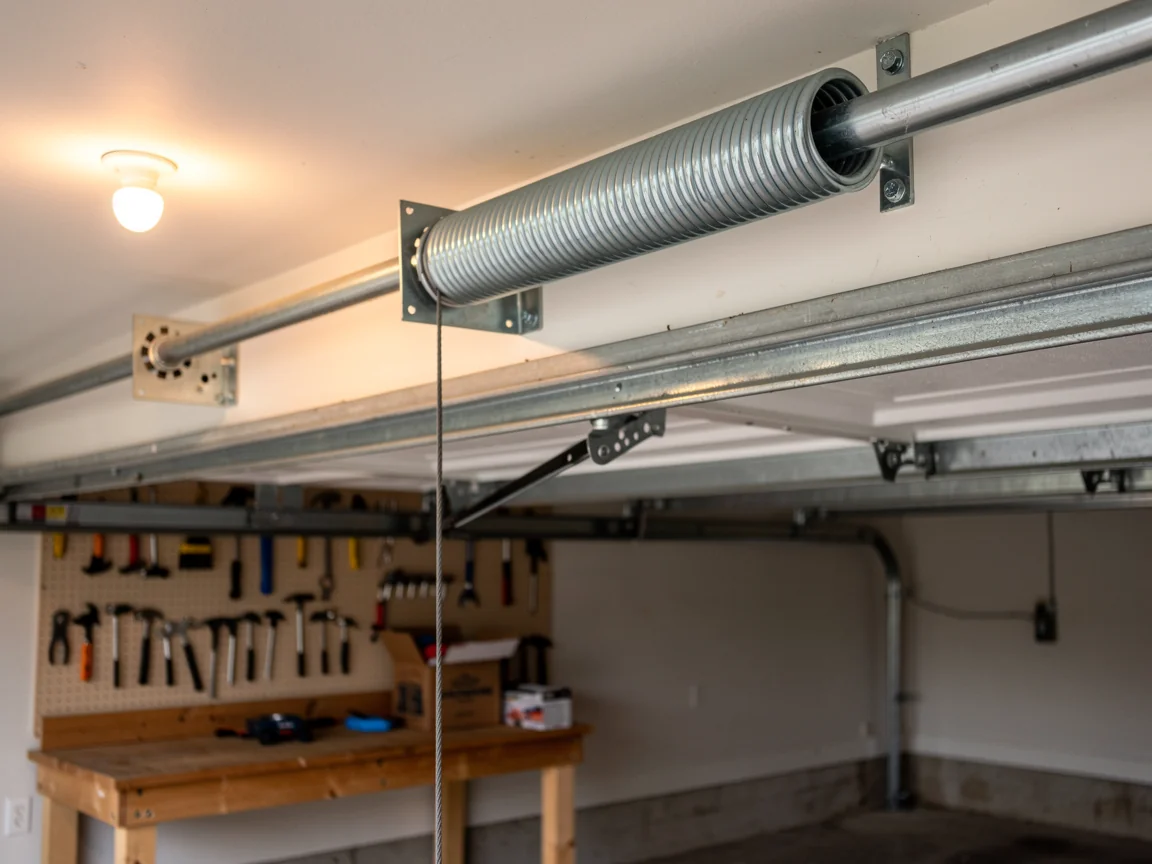
Doors built in the 2000s tend to be wider single-piece doors over two-car openings, run on heavier-gauge torsion springs than older narrower doors needed.
Higher-tension spring failures
When one of those springs lets go, it's a bigger job than the springs on a 1970s-era door - more tension, more weight to manage safely. The other common failure at this age is the opener itself.
Aging boards and sensors
Circuit boards and safety sensors from the mid-2000s are reaching the end of their service life, and a door that no longer reverses on contact, or won't respond to the remote at all, is usually a board or sensor problem rather than anything mechanical. Rollers are the quieter failure - the nylon or plastic rollers specified in that era get brittle over time, especially with repeated heat cycling, and start cracking before they ever fully seize.
What Is on the Truck
We carry torsion springs sized for both older narrow doors and the wider double-car openings common in newer construction, along with steel and nylon rollers, standard cable, and opener logic boards for the major brands installed in homes from that mid-2000s window. Sensor pairs and remote units are stocked too, since those are the most common opener-side failure on houses this age.
What we don't carry is anything proprietary to a smart-home opener system installed after a custom integration - if a door was wired into a specialty home automation setup, we may need to order that part rather than pull it off the truck. We'll tell you straight if that's the case before we start, rather than mid-job.
Getting It Booked In
We run jobs in Eastvale out of Rancho Cucamonga, about 12 miles away, so a call here gets scheduled as a routed visit rather than a drop-in. Tell us the symptom - door won't open, spring snapped, opener clicking but not moving the door - and we bring the parts that match what a 2000s-era build is most likely to need. If it turns out to be something else once we're on site, most common fixes are parts we already carry.
How It Shows Up
The most common call we get from this part of the territory is an opener that runs but the door doesn't move, or moves partway and reverses - that's almost always a sensor alignment or board issue rather than a broken spring. A door that won't budge at all, with a visible gap in the coil above the opening, is a spring. A door that shudders or bangs partway through its travel, especially in the hotter months, is often a roller that's cracked and is catching in the track rather than rolling through it smoothly.
Questions
Common questions
Are garage doors in Eastvale newer than what you see elsewhere in the area?
Yes. The median year built here is around 2007, while a lot of what we service elsewhere in the territory dates back to the late 1950s and 60s. That means the common failures skew toward opener electronics and rollers reaching end of life together, rather than decades-old spring wear.
Do you have a branch in Eastvale?
No. We're based in Rancho Cucamonga, about 12 miles away, and route Eastvale calls from there. There's no local depot, so we schedule the visit and bring parts suited to what a house built in that mid-2000s window typically needs.
Why would a newer opener fail already?
An opener installed when the house was built in the mid-2000s is now old enough that the circuit board, sensors, or drive gear are reaching typical end of life. Age on the opener doesn't track with age on the house once you're a couple decades out from construction.
Is a cracked roller worth fixing on its own?
Usually yes, if it's caught early - swapping rollers is a smaller job than letting a cracked one keep catching in the track and eventually damaging the track itself. If it's gone that far, we'll tell you if track repair is also needed rather than just replacing rollers.
Explore more
More Services in Eastvale
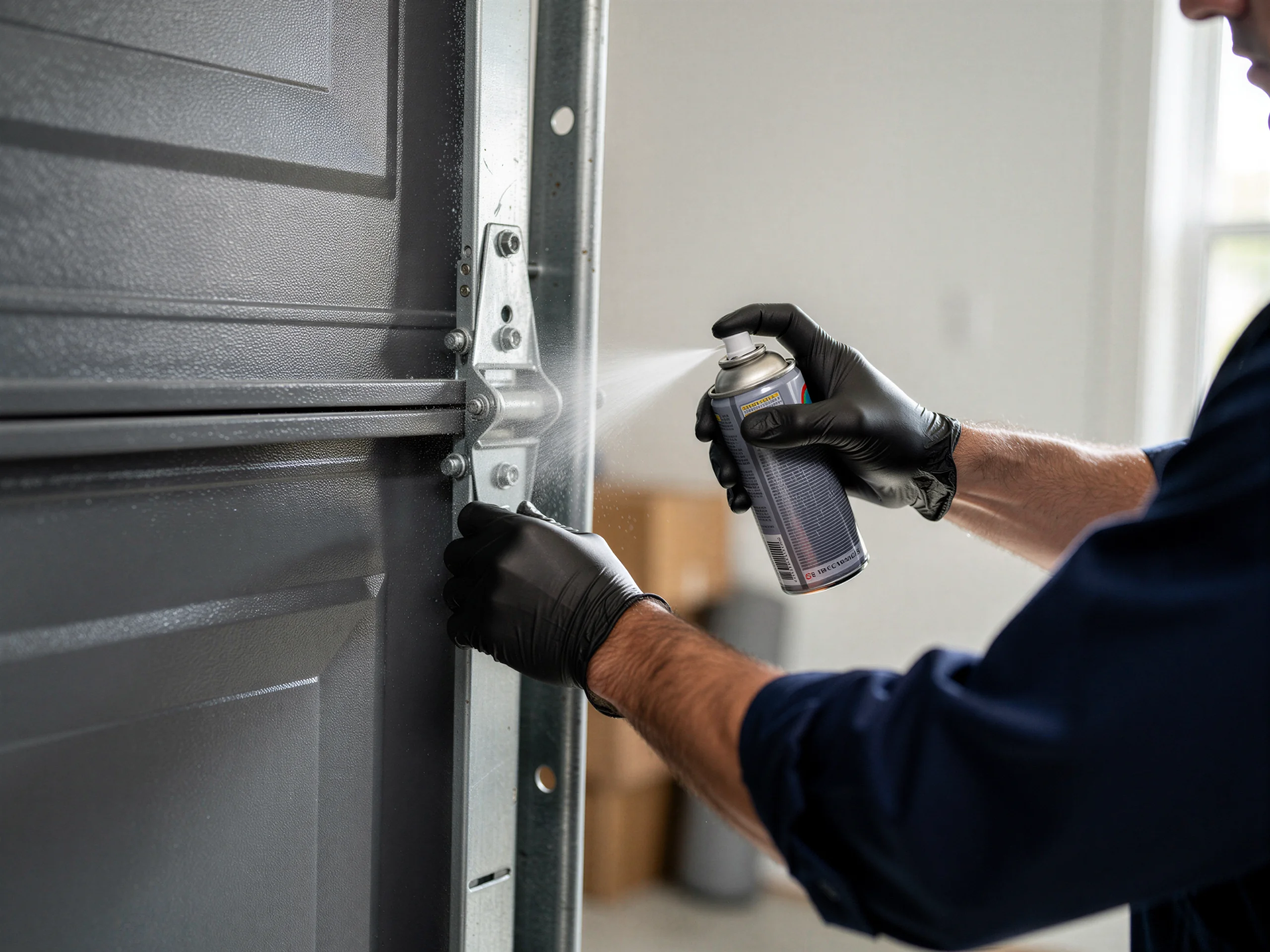
Garage Door Service
Eastvale homes are newer than most of the service area, built from the 2000s on. Learn more →
Maintenance
Eastvale's housing stock is the newest in the service area, built right around 2007. Learn more →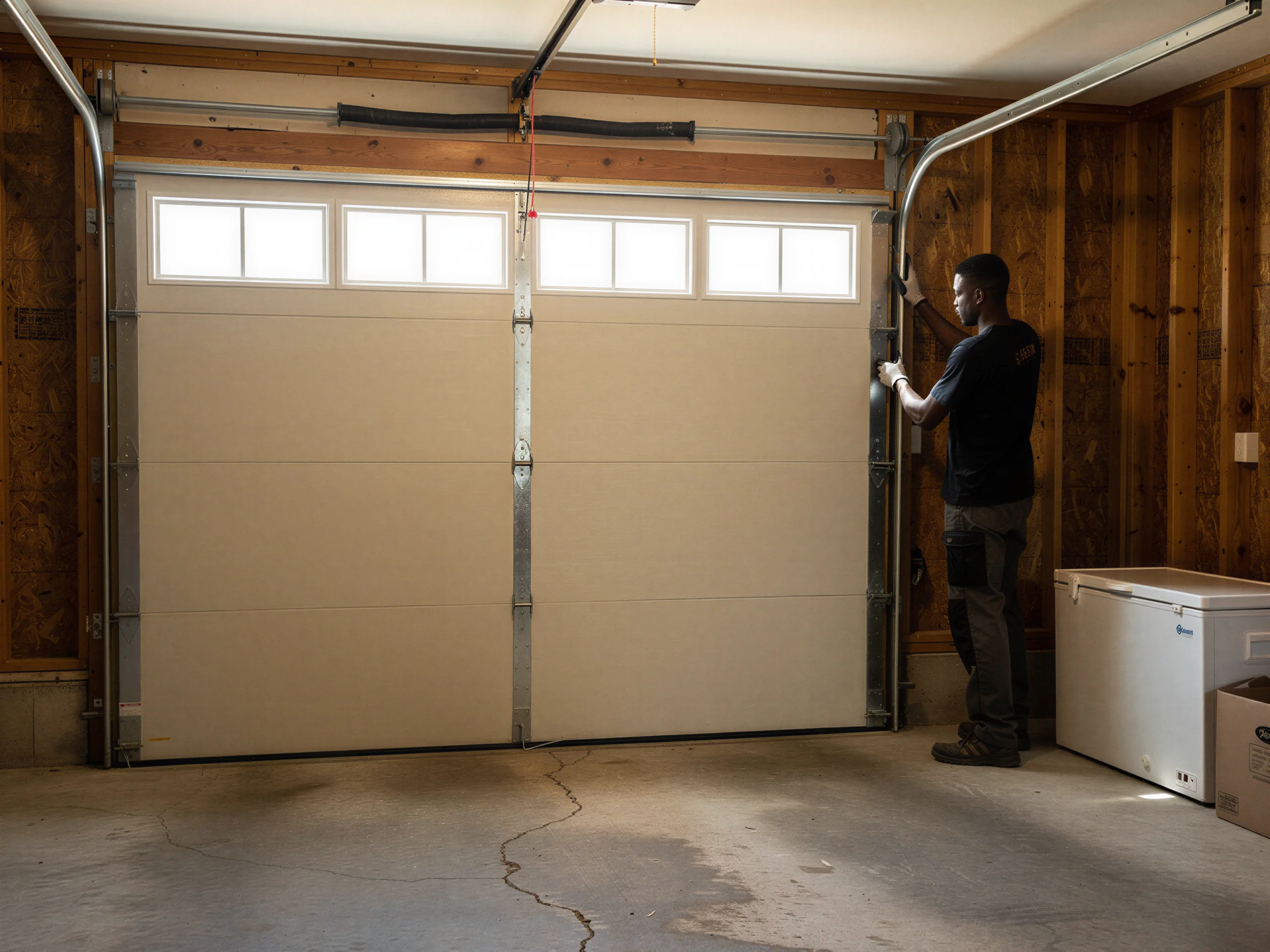
New Door Installation
Eastvale homes mostly date from the 2000s, newer than much of the Rancho Cucamonga area. Learn more →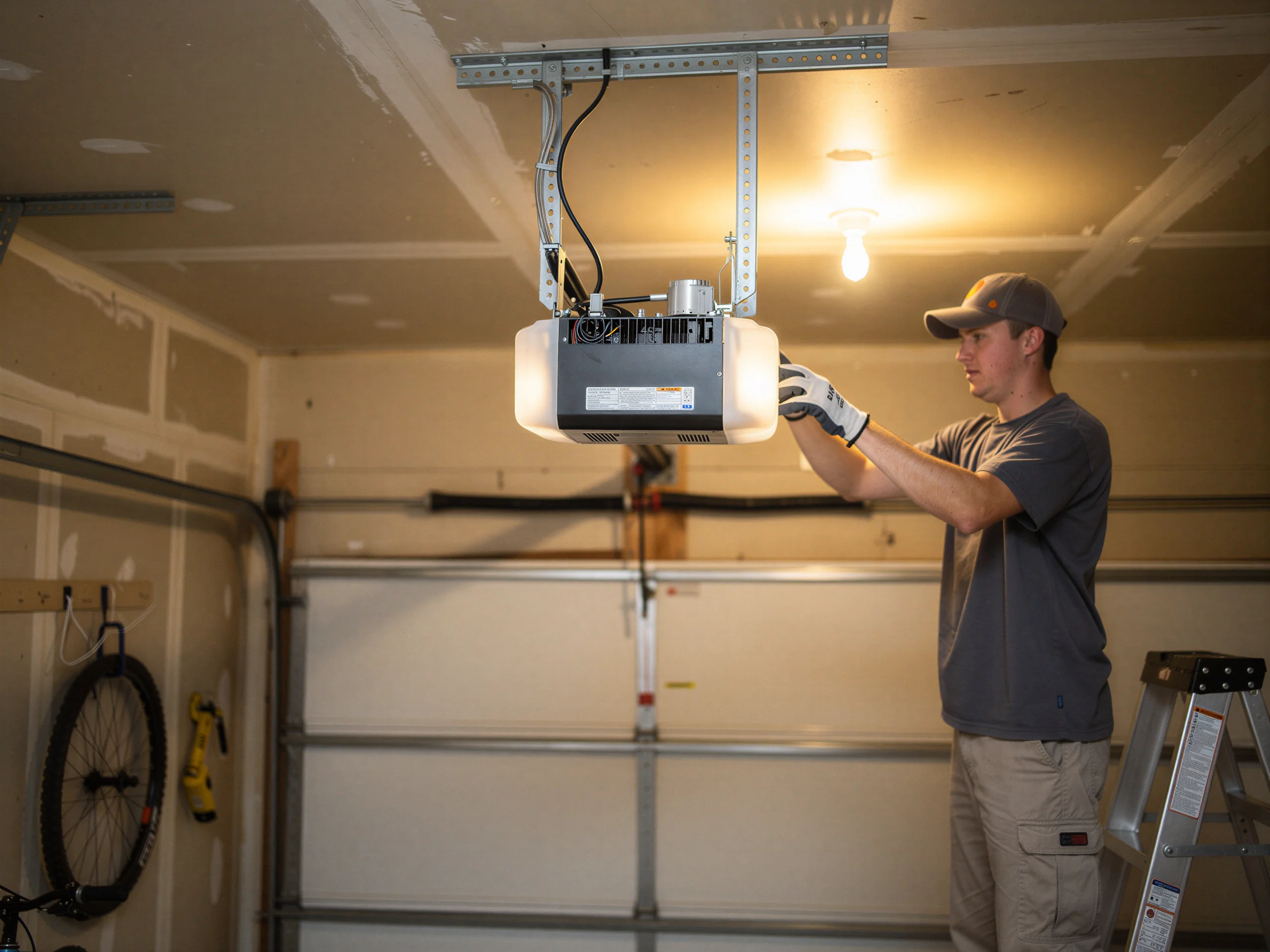
Opener Repair
Eastvale's housing is mostly newer construction, built through 2007, so original builder-grade openers are now aging out. Learn more →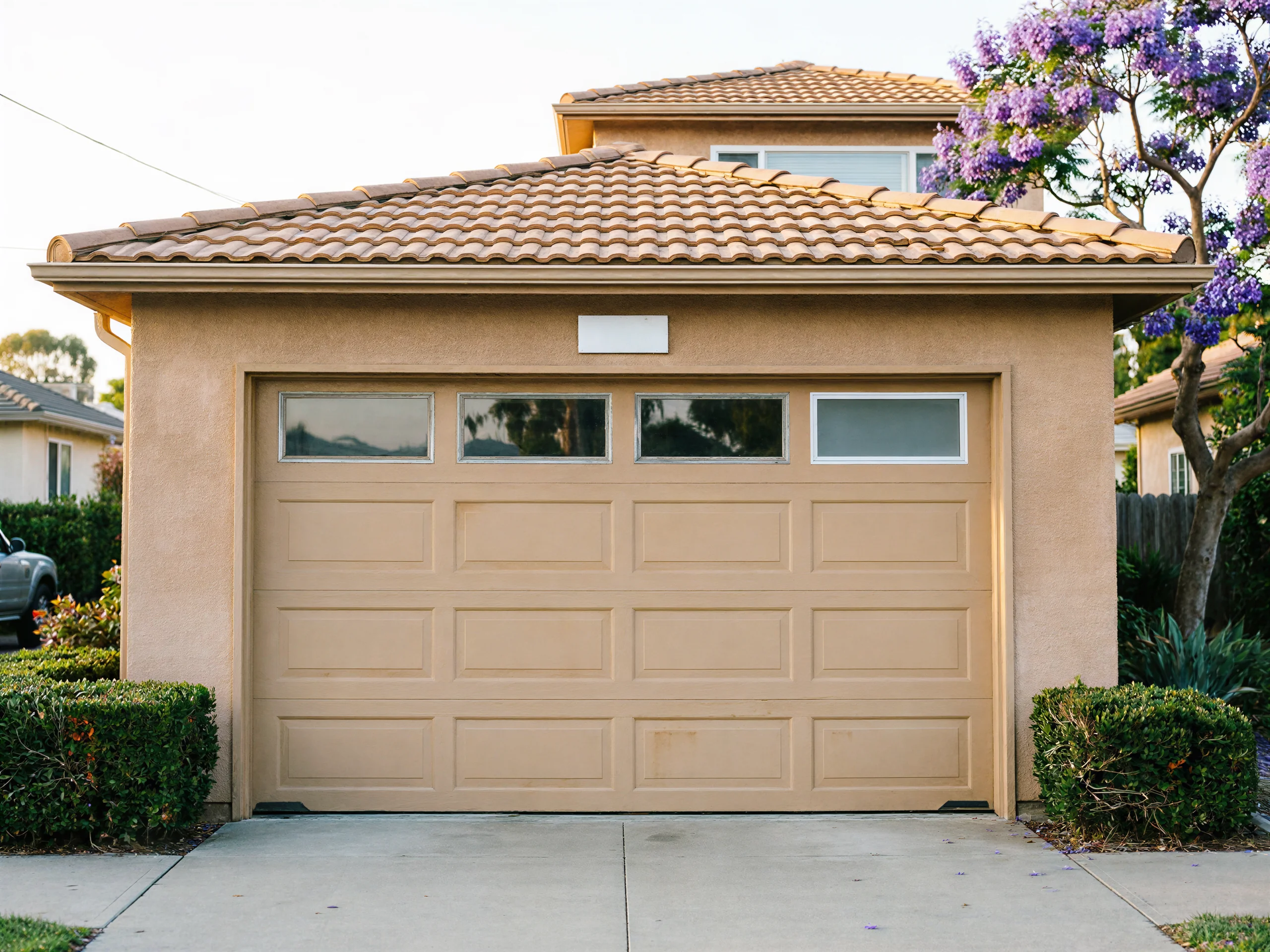
Panel Replacement
Eastvale homes mostly date to the 2000s building boom, so panel faults here run to builder-grade steel and wide double doors. Learn more →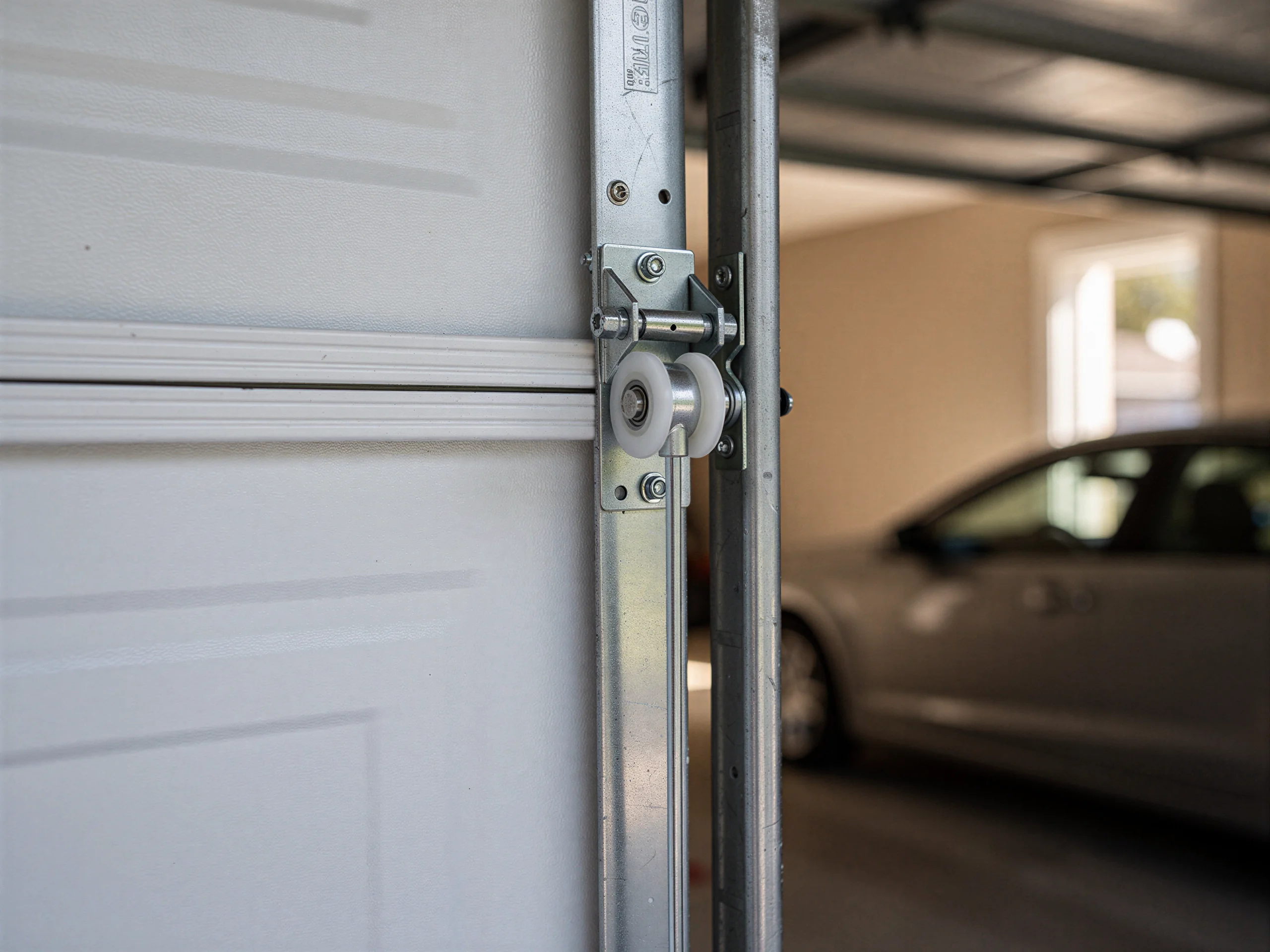
Roller Replacement
Eastvale homes mostly went up around 2007 with builder-grade rollers now near the end of their life. Learn more →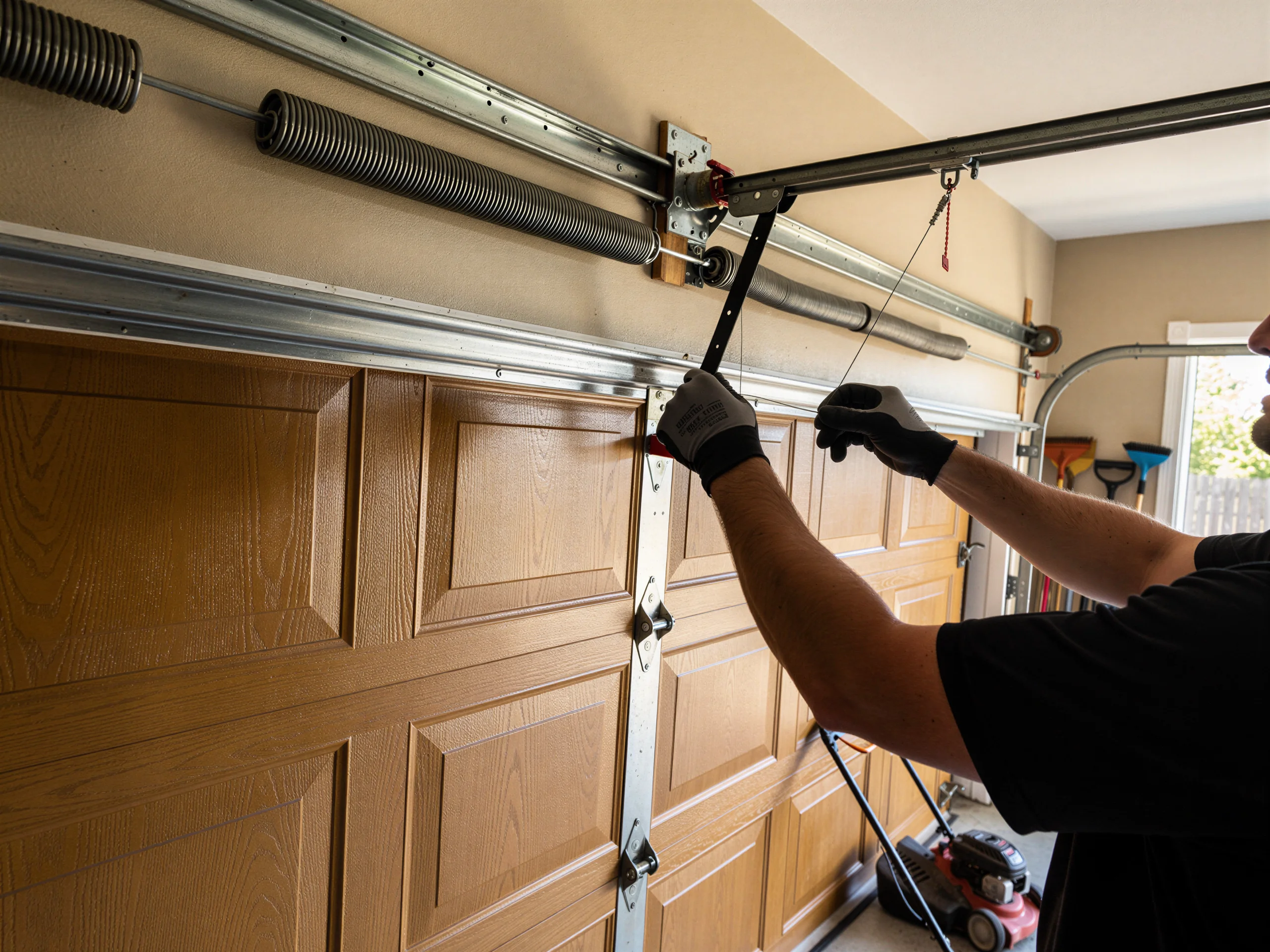
Spring Repair
Spring repair for Eastvale's newer two-car garage doors, built out mostly after 2000. Learn more →Ready when you are
Garage door trouble in Eastvale?
Rancho Cucamonga Garage Door Pros repairs and installs garage doors, springs and openers in Rancho Cucamonga, CA and the surrounding area.