Rancho Cucamonga, CA
Garage Door Repair for Rancho Cucamonga Homes
Torsion springs and opener gears failing on 1960s-70s Rancho Cucamonga homes. Local repair for the hardware this area's housing stock and heat actually wear out.
Why It Happens Here
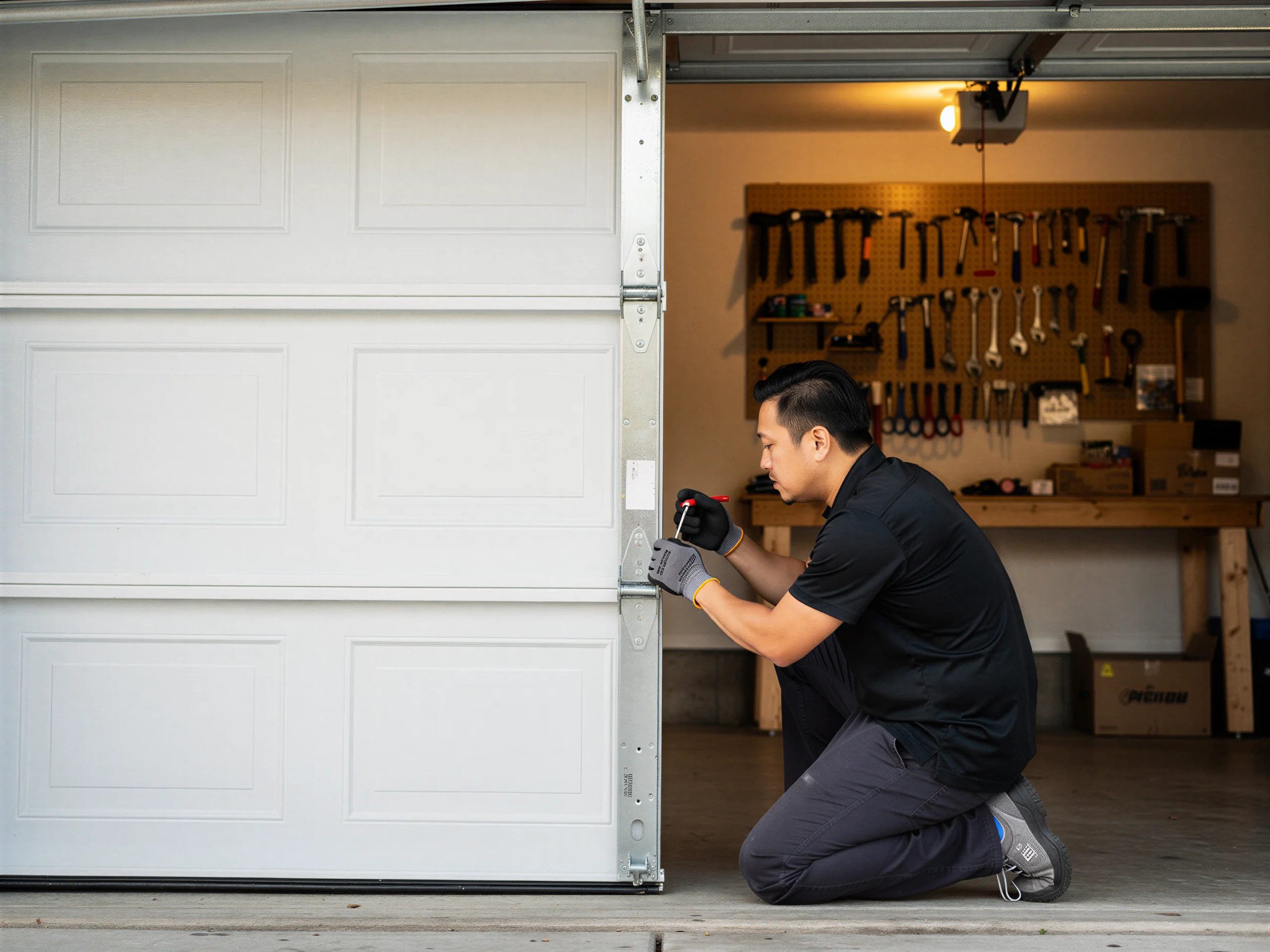
Most of the housing stock in this part of the Inland Valley went up between 1958 and 2007, with the median build year sitting around 1976, and that 1960s-70s wave is the bulk of what you see across the 21 named communities from San Antonio Heights down through Loma Linda. That matters for one reason: torsion springs and the galvanized cable that came with doors from that era were never meant to run 50 years. Steel fatigues on a cycle count, not a calendar, and a spring installed when a house was built in 1968 is well past any reasonable service life today, original hardware or not.
Heat plays a second role. The climate here runs in the moderate-heat band, and repeated expansion and contraction on a galvanized torsion spring - hot afternoons, cooler nights, day after day for decades - speeds up the same fatigue that would otherwise take longer in a milder spot. It is not a dramatic failure mode. Most springs don't snap during a heat wave; they just give out on an ordinary morning because the metal already did its work. Add an opener that is original to a 1970s-era door, with gears and a capacitor from the same build, and you get the second most common call we take: hardware that aged out quietly until the day it didn't move at all.
How It Shows Up
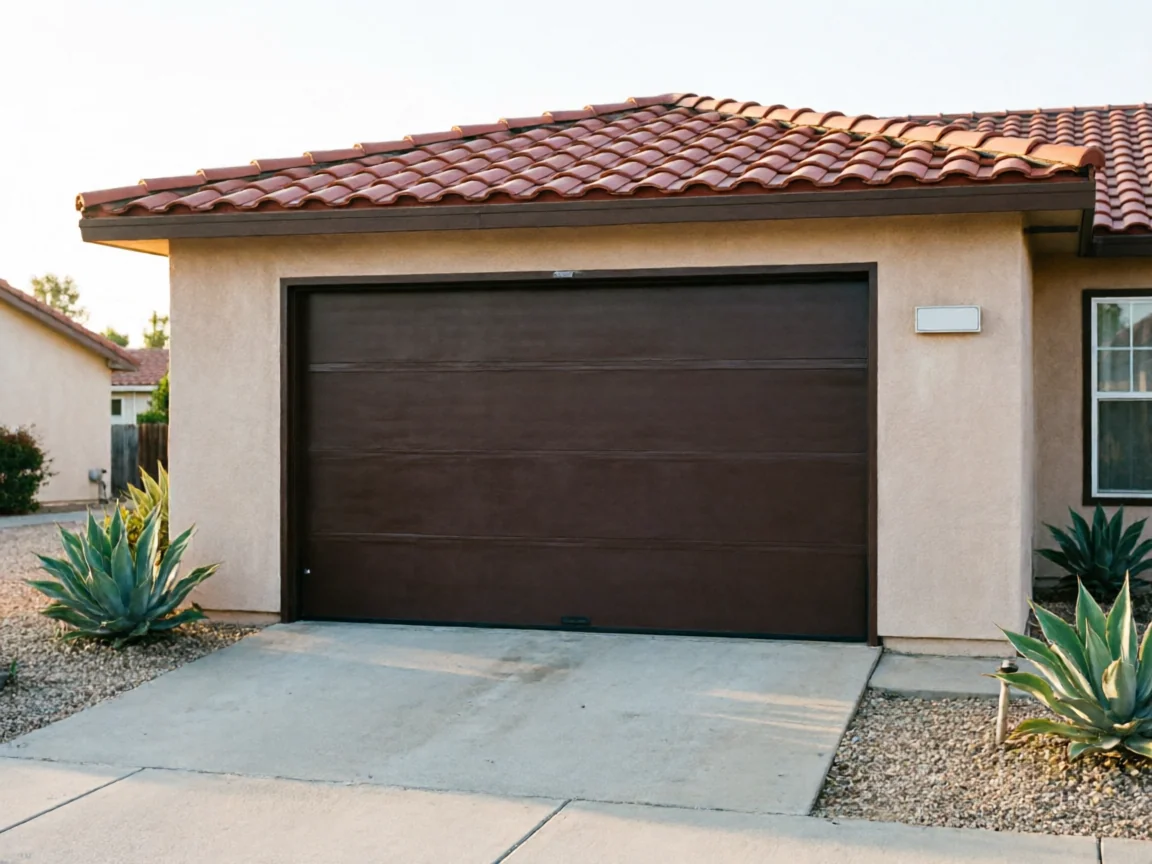
The most common sign is a door that won't go up, full stop, paired with a garage that feels heavier to lift by hand than it used to - that's a broken torsion spring, and on a double door from the 1960s-70s stock common here, it is almost always the original one-piece spring, not a modern dual-spring setup.
Stripped nylon gear
You'll also see openers that run the motor but don't move the door, which usually means a stripped nylon gear inside a decades-old unit rather than anything wrong with the door itself. Less dramatic but just as common: a door that reverses partway up, or one that slams the last six inches down.
Drum cable fraying
Both point to worn rollers or a cable that has started to fray on the drum - again, parts that have simply logged too many open-and-close cycles for hardware installed when the house was new.
Sun-warped steel panels
We also see panel warping on older steel doors that sat in direct sun for years without the insulation newer doors come with. None of this is unique to one street or one tract; it's a function of age, not address, which is why it shows up block after block in the older sections of town.
What It Costs
We don't quote a number over the phone, and we're not going to put one here either - torsion spring weight, cable length, and opener model all change the job, and guessing at a price before we've seen the door does the homeowner no favors.
Repair versus replacement
What we can tell you is how the decision usually gets made on a home built in the 1958-2007 range: if the door and track are sound and it's just the spring or the opener logic board, repair almost always makes sense.
Insulated doors handle heat
If the door itself is an original steel panel door that's warped or dented from fifty-plus years of sun, replacement starts looking like the better math, especially since insulated doors handle this area's heat band better than the single-layer steel that was standard when these tracts were built.
Median household income
Household income across the service area runs a median of $96,190, which is worth mentioning only because it tells you most owners here are weighing a real repair-versus-replace decision rather than defaulting to whichever is cheapest - they want the one that actually lasts. We'll give you both numbers on-site and let you pick.
How Long You Are Without the Door
A broken torsion spring on a double door is usually a same-day fix once we're on-site - it's a known part, not a special order.
Locally unstocked boards
Opener boards and some roller assemblies can be a different story if the unit is old enough that the exact part isn't stocked locally anymore, which does happen with equipment this age. We won't promise a same-day turnaround on every call, because we'd be guessing, and a guessed promise isn't worth much to you.
Spring versus opener timing
With 131,027 owner-occupied houses across this service area and a lot of them carrying original 1960s-70s hardware, we see this exact situation often enough to know the pattern: spring and cable work goes fast, opener and track work can take a little longer if parts need to come in.
Vehicle trapped inside
If you're stuck with the door down and a vehicle inside, tell us that when you call - it changes how we prioritize the job, even if it doesn't change how fast the part ships.
Questions
Common questions
Why did my garage door spring break with no warning?
Torsion springs fail on a cycle count, not on a schedule, so there's rarely a warning sign. If your house was built in the 1960s or 70s - common across this area - the spring is likely original and has simply logged more open-and-close cycles than steel is rated for. The afternoon heat here adds some fatigue too, but the real cause is age.
Is it worth repairing an opener this old?
Depends what's failed. A stripped gear or a bad capacitor on an older unit is usually a cheap, fast fix. If the circuit board itself is going and the model is old enough that boards aren't stocked anymore, replacement can end up being the more practical call. We'll tell you which one you're looking at before we start.
Do you give a price before you see the door?
No. Spring weight, cable length, and opener model all change the cost, and a number given sight unseen is a guess. We quote it on-site once we know exactly what's involved, usually within minutes of looking at the hardware.
How fast can you get to a broken spring?
Spring jobs are usually same-day once we're on-site, since it's a part we carry rather than something we have to order. We don't promise an exact arrival time here because it depends on where we are that day, but spring and cable work moves fast once scheduled.
Explore more
Explore More Services In Rancho Cucamonga, CA
Garage Door Maintenance for Rancho Cucamonga Area Homes
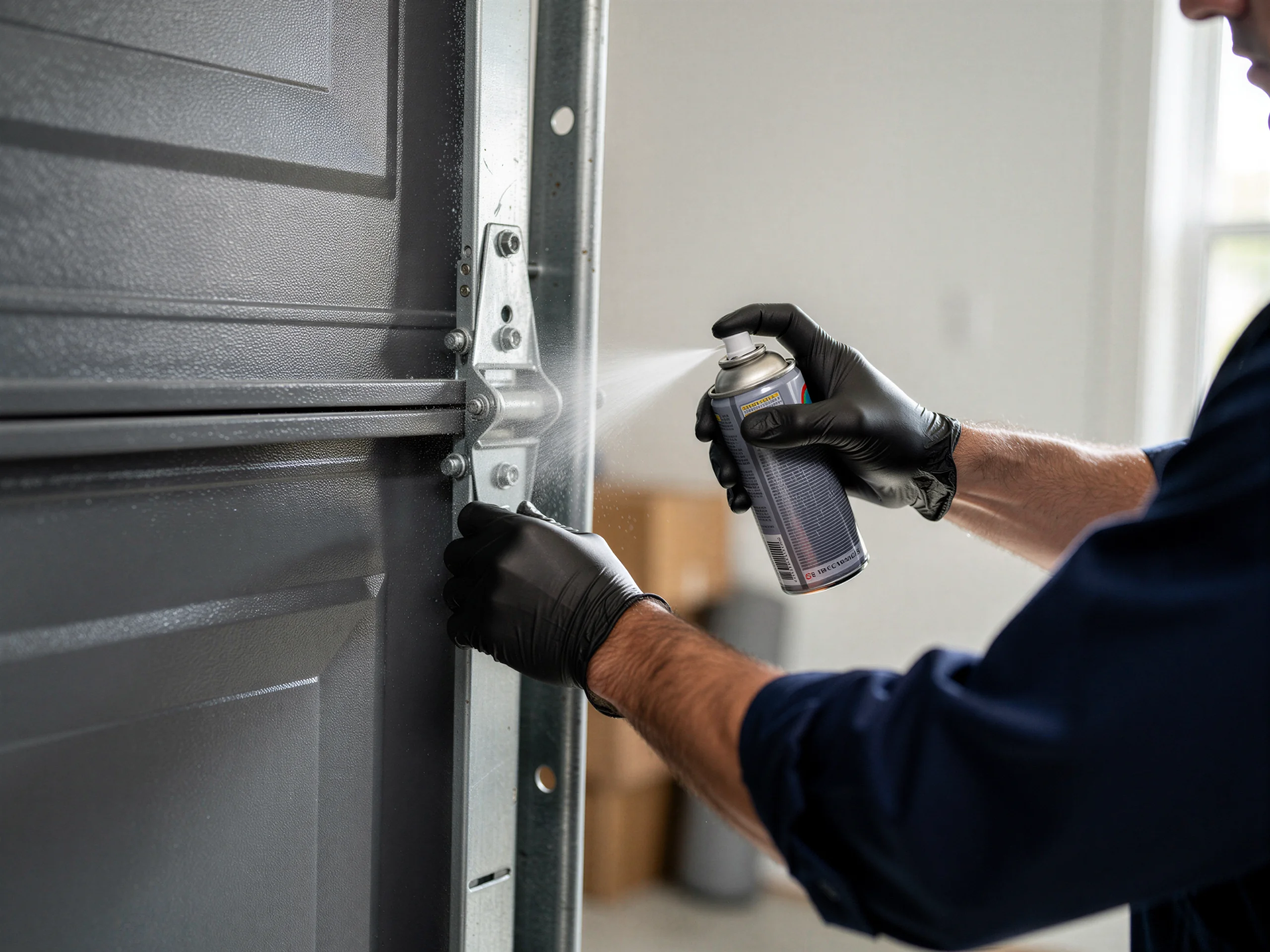
Garage door maintenance built for Rancho Cucamonga's 1958-2007 housing stock and heat exposure. Learn more →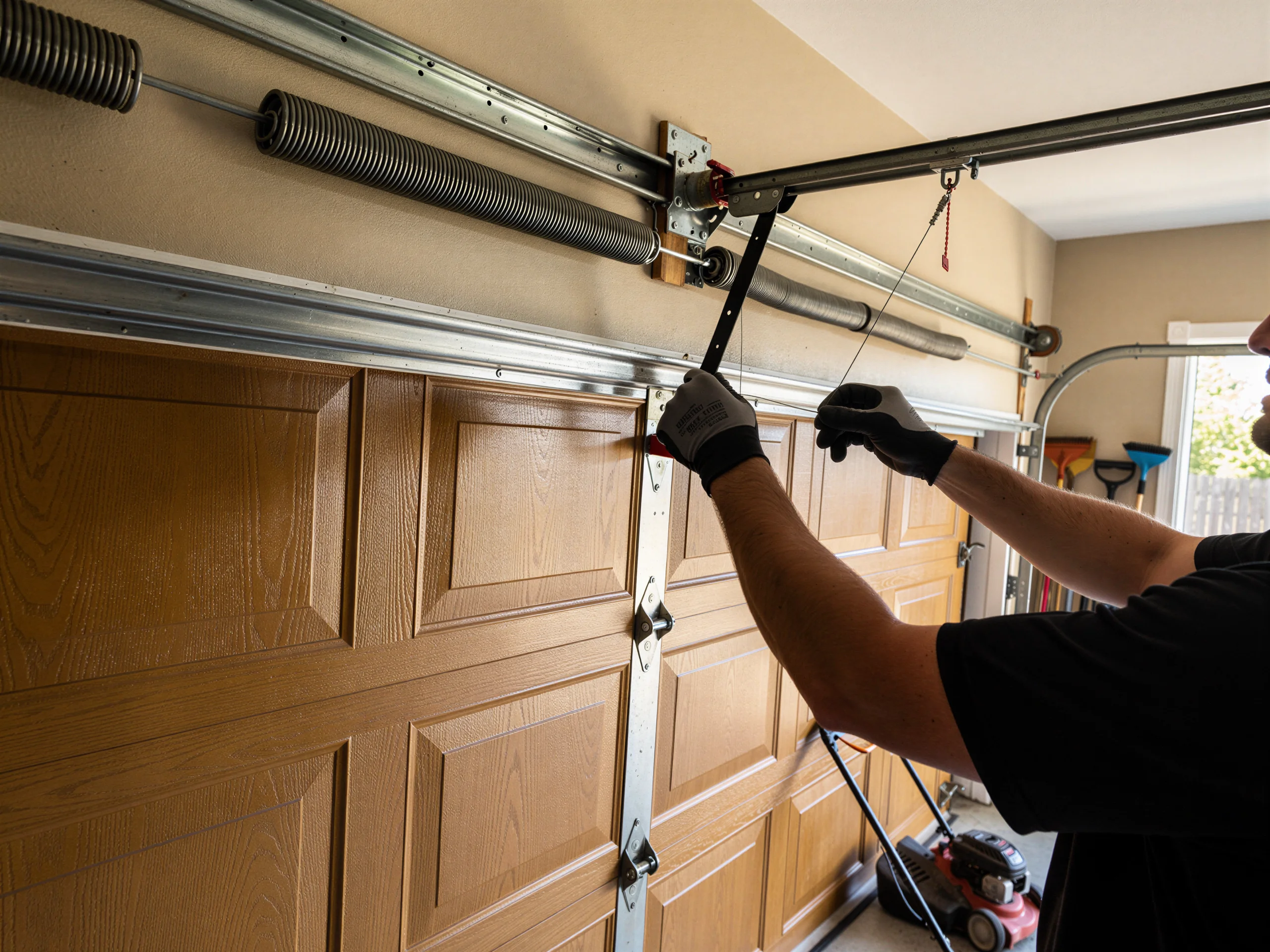
Garage Door Spring Repair Across the Rancho Cucamonga Area
Torsion and extension springs here are wearing out on schedule with 1960s-70s housing stock. Learn more →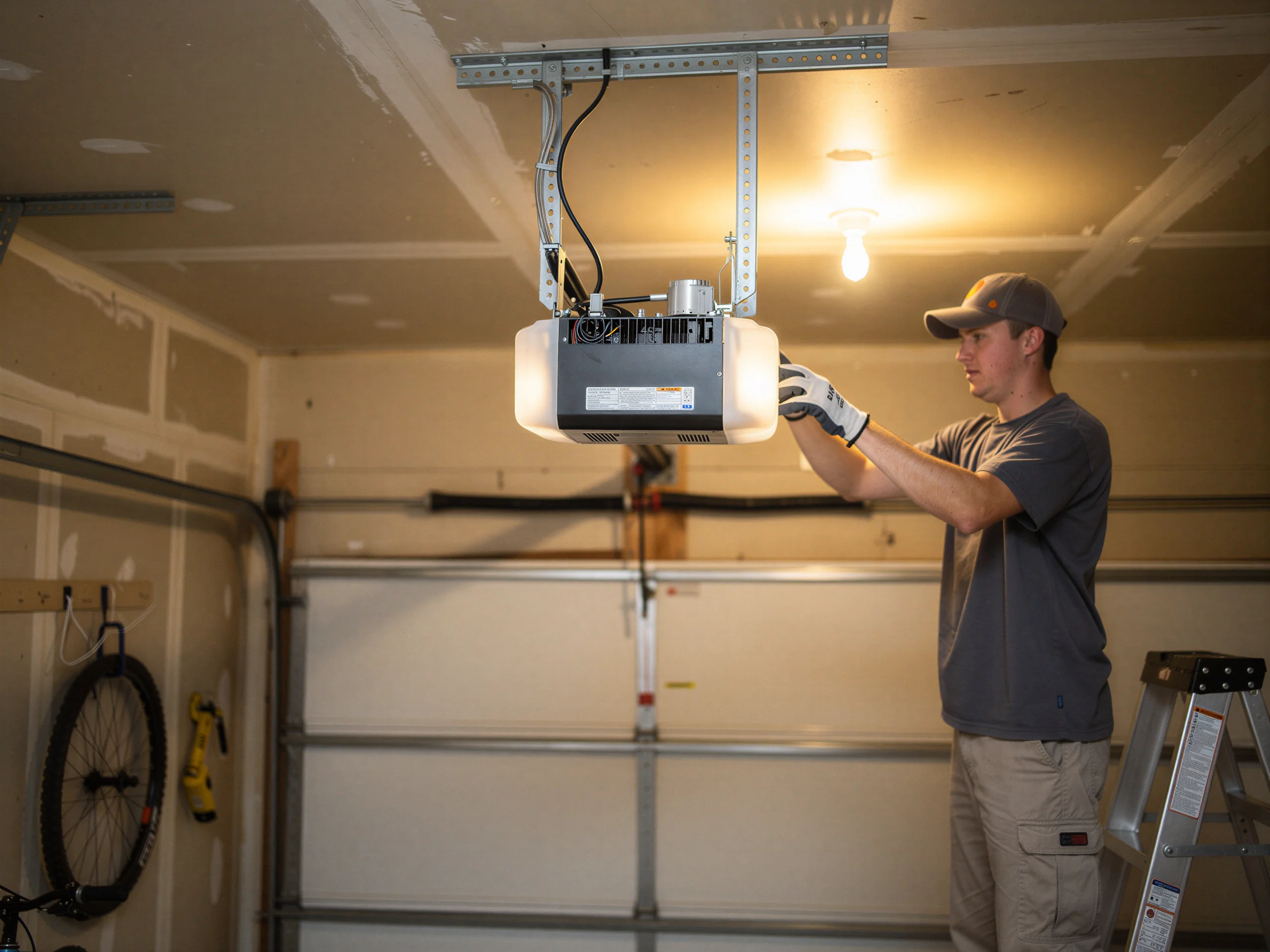
Garage Door Opener Repair Across Rancho Cucamonga and the Surrounding Service Area
Opener grinding, reversing, or dead on arrival? Learn more →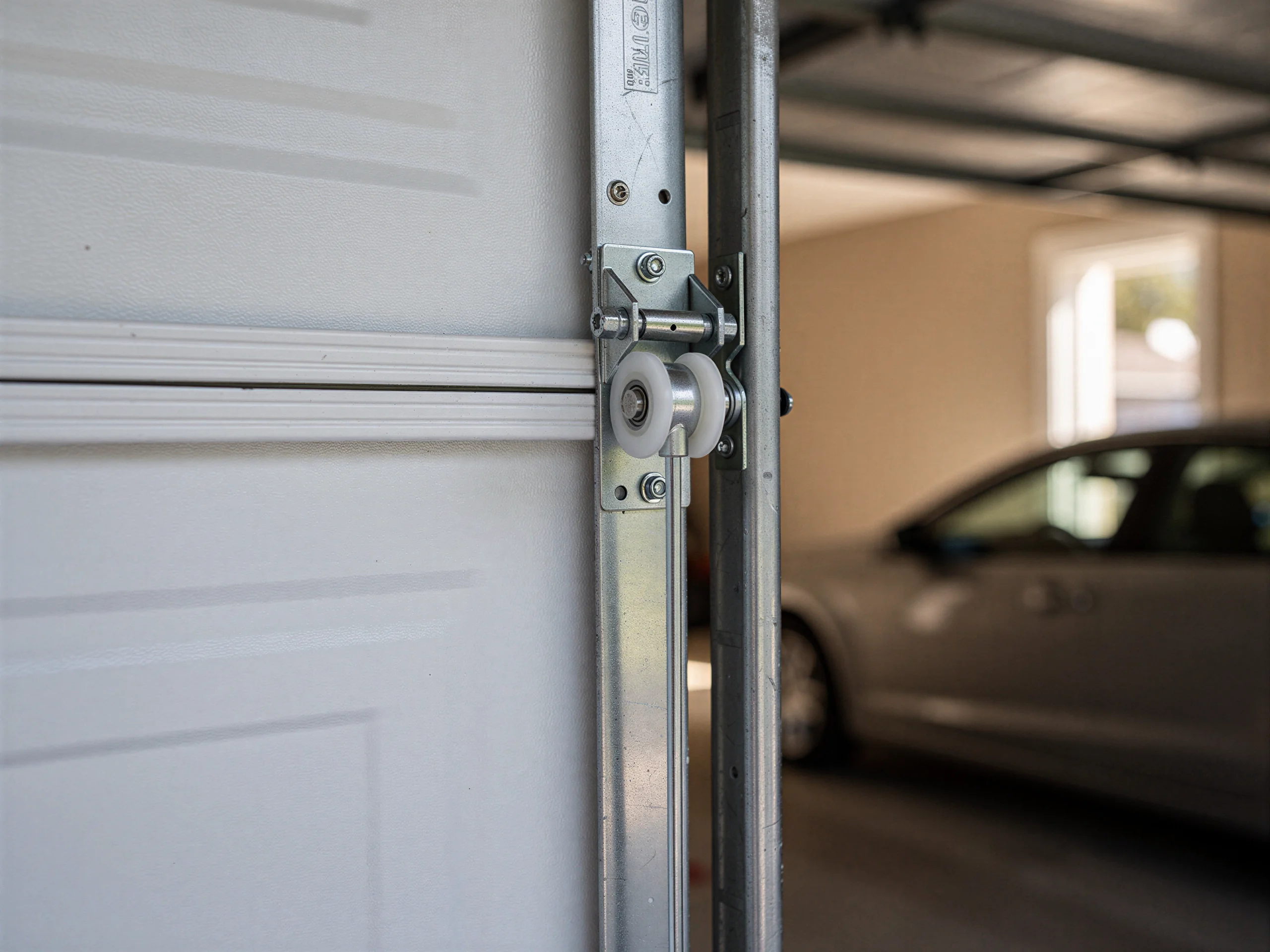
Garage Door Roller Replacement, Rancho Cucamonga
Why roller failure is so common on Rancho Cucamonga's 1958-2007 housing stock, what drives the repair cost, and how long your door is actually out of service. Learn more →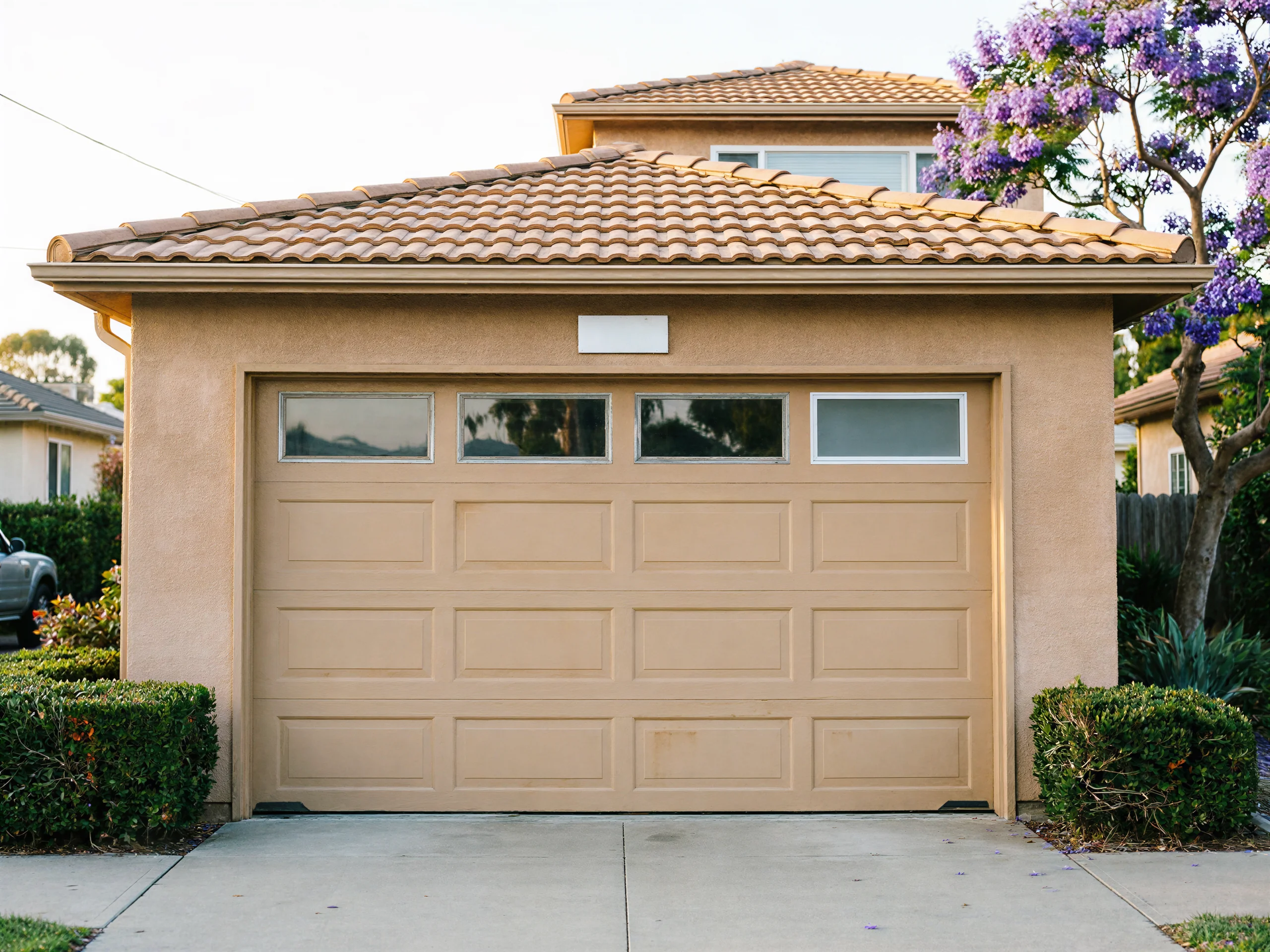
Garage Door Panel Replacement for Rancho Cucamonga Homes
Dented or cracked garage door panels are common on Rancho Cucamonga's 1960s-2000s housing stock. Learn more →
Garage Door Service Built Around Rancho Cucamonga's Housing Stock
Garage door service in Rancho Cucamonga built around local housing stock from 1958-2007 and moderate heat cycles. Learn more →Ready when you are
Garage door trouble in Rancho Cucamonga?
Rancho Cucamonga Garage Door Pros repairs and installs garage doors, springs and openers in Rancho Cucamonga, CA and the surrounding area.