
Eastvale, Rancho Cucamonga
Garage Door Maintenance for Eastvale's 2007-Era Homes
Eastvale's housing stock is the newest in the service area, built right around 2007. Maintenance here is about aging openers and spring cycle counts, not old hardware.
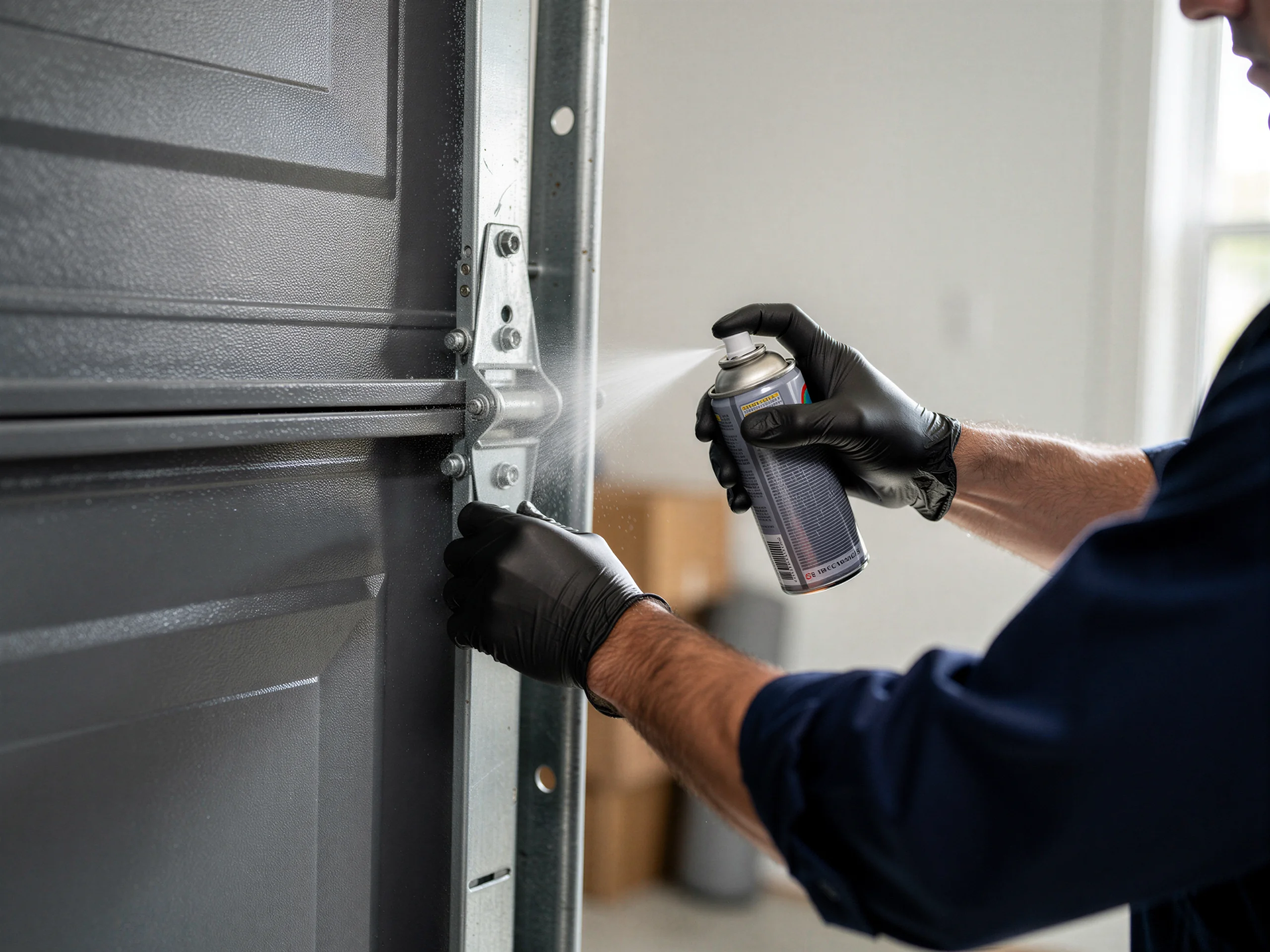
Why It Happens Here
Eastvale is the newest build-out in the area we cover. Across the wider service territory, houses went up anywhere from 1958 to 2007, with most of that stock dating to the 1960s and 70s. Eastvale sits at the far edge of that range - its median year built is 2007 itself, which means the doors, springs, and openers here are closer to twenty years old, not fifty.
That matters for what wears out first. A door from the 1960s has usually been through at least one full hardware replacement by now. A door built in 2007 is still very often running its original torsion spring and its original opener, both rated for a set number of cycles that they're finally approaching. The failure mode isn't rust-seized track or an obsolete one-piece door - it's a spring nearing the end of its cycle count and a first-generation opener board starting to drop signals or stick on travel limits. Routine maintenance here is about catching that wear before the spring lets go or the opener strands the door half-open, not about replacing decades-old parts nobody stocks.
What Can Go Wrong
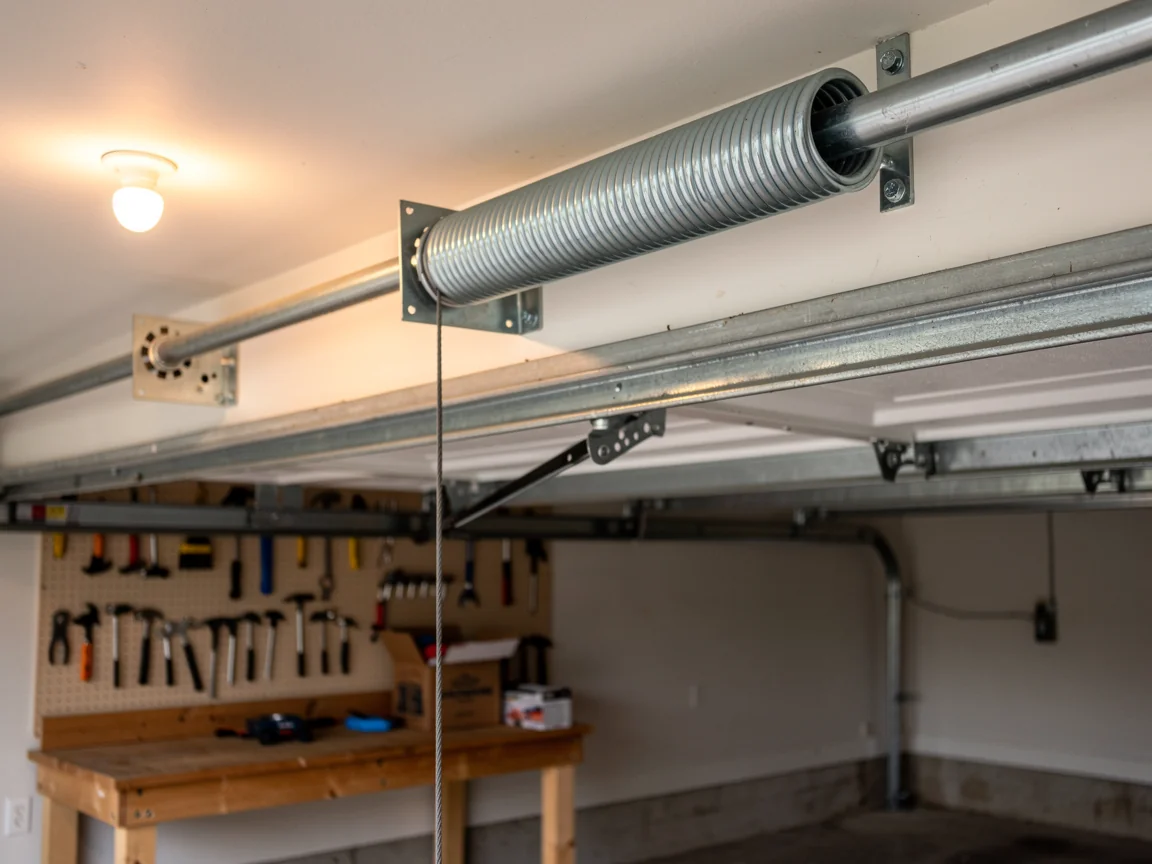
The most common call from this part of the area is a torsion spring that's done its job for close to two decades and is now undersized for the cycles the household actually puts on it.
Builder-grade spring fatigue
Builder-grade springs were sized to a standard, not to how many times a family opens the door a day, and after roughly 10,000-15,000 cycles they start to sag or snap without much warning.
Mid-2000s board drift
Openers from the mid-2000s are the other recurring issue - circuit boards that control force and travel sensing begin to drift with age, which shows up as a door that reverses for no reason or won't fully seat on the floor.
Drying roller bearings
Rollers are usually still nylon and quieter than older steel rollers, but at this age the bearings inside them are drying out, which is a cheaper fix if it's caught before it chews up the track. None of this is dramatic damage - it's wear that's been building quietly since the house was built, with the heat here speeding up how fast grease on cables and hinges breaks down.
What Is on the Truck
For a maintenance visit on a door this age, the parts that matter most are torsion springs sized to the original builder specs, nylon rollers and bearings to replace the ones drying out, and heat-rated lubricant for cables, hinges, and the opener's drive chain or belt. We also carry sensor and limit-switch parts common to openers from this era, since a drifting photo-eye or a worn limit switch is a frequent cause of a door that won't close all the way.
What we don't carry is every obsolete bracket or discontinued opener board from every manufacturer era - if a part turns out to be a special order, we'll say so on the spot rather than pretend it's in the truck. That's the honest limit of a mobile setup: common parts for common ages of door, not everything ever made.
Getting It Booked In
We run out of Rancho Cucamonga, about 12 miles from Eastvale, so a maintenance visit here gets scheduled as a route stop rather than a same-day drop-in.
Flag stuck doors when booking
That's fine for routine service - spring tension checks, roller and bearing swaps, opener calibration - since none of that is an emergency repair. If you've got a door that's already stuck or a spring that's already gone, say so when you call so it gets booked as a repair, not a maintenance pass.
Inspection and adjustment work
Because the housing stock here skews newer, most visits end up being inspection-and-adjustment work rather than hardware replacement - checking spring tension against the door's actual cycle count, resetting opener travel limits, and lubricating points that have gone dry. It's quicker and cheaper than the repairs it heads off.
How It Shows Up
A door that's nearing spring failure in a 2007-era house usually gives a specific warning: it feels heavier to lift by hand, or the opener strains and groans partway through the cycle instead of running smooth the whole way. An opener board starting to drift shows up as reversing before it touches the floor, or lights that blink in a pattern that wasn't there before.
Dry rollers sound different before they look different - a rhythmic squeak or grind on the way up or down, worse in the hotter months when the old grease thins out and runs off instead of cushioning the bearing. None of these are reasons to panic, but they're reasons to get the spring tension and opener settings checked before the part that's straining finally gives out.
Questions
Common questions
Why would a garage door built in 2007 already need maintenance?
Torsion springs and opener components are rated for a number of cycles, not a number of years. A door that's been opened a few times a day for close to eighteen years is approaching the end of its original spring's rated life, even though the door itself looks new.
Do you have a shop in Eastvale?
No. We're based in Rancho Cucamonga, about 12 miles away, and reach Eastvale as a route stop. Routine maintenance gets scheduled rather than handled same day, so it's worth booking ahead rather than calling expecting an immediate visit.
Is it the spring or the opener if my door reverses before it closes?
Both are possible, and a maintenance visit checks both. A drifting opener sensor or limit switch is the more common cause in doors from this era, but it's worth ruling out spring tension too, since an unbalanced door can trip the opener's safety reversal on its own.
Can you always get the exact part for an older opener?
Not always. We carry parts common to openers and springs from the mid-2000s, but if your opener needs a discontinued board or a special-order bracket, we'll tell you that at the visit instead of guessing.
Explore more
More Services in Eastvale
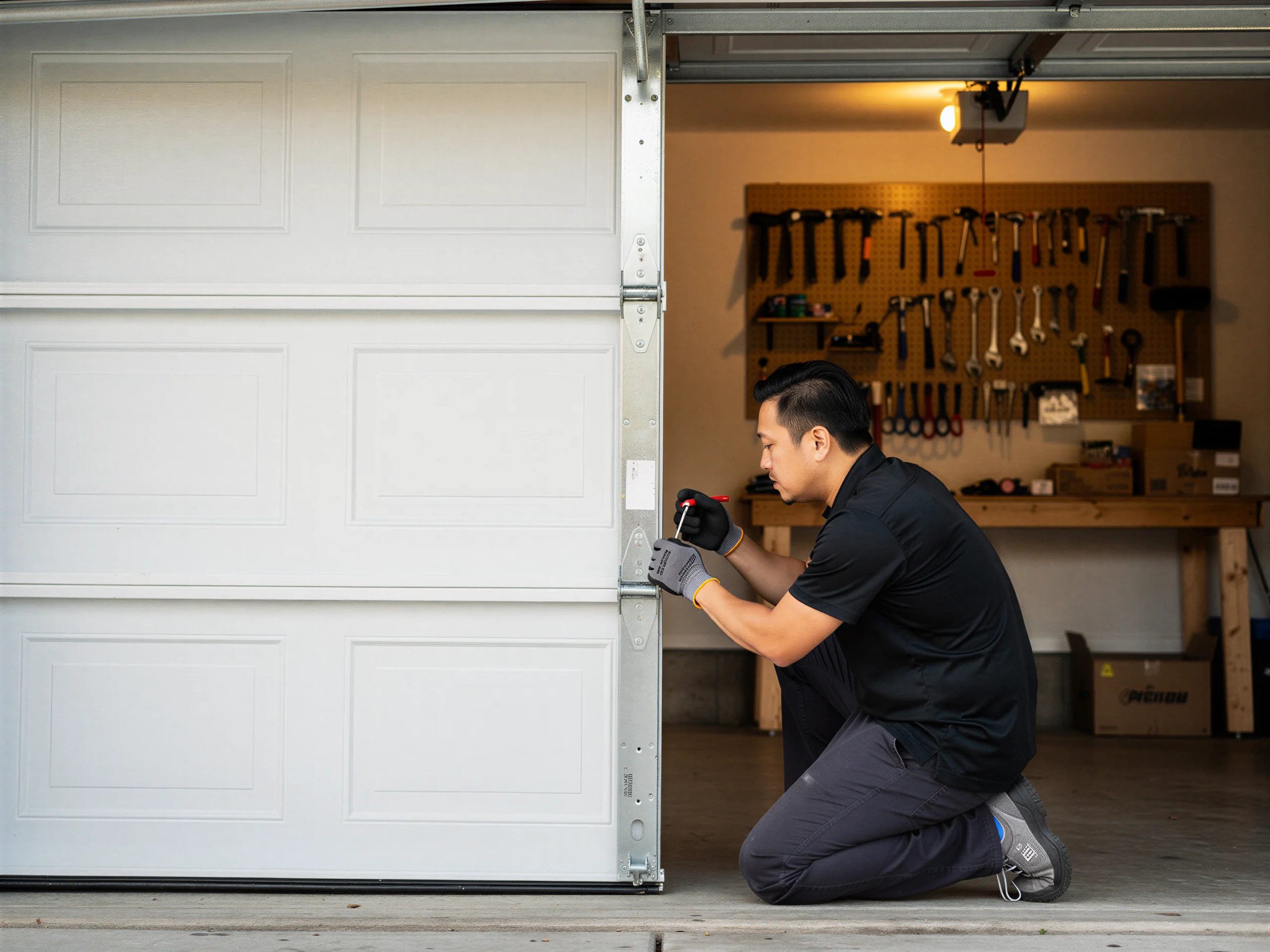
Garage Door Repair
Eastvale's housing is some of the newest in the area, built around 2007. Learn more →
Garage Door Service
Eastvale homes are newer than most of the service area, built from the 2000s on. Learn more →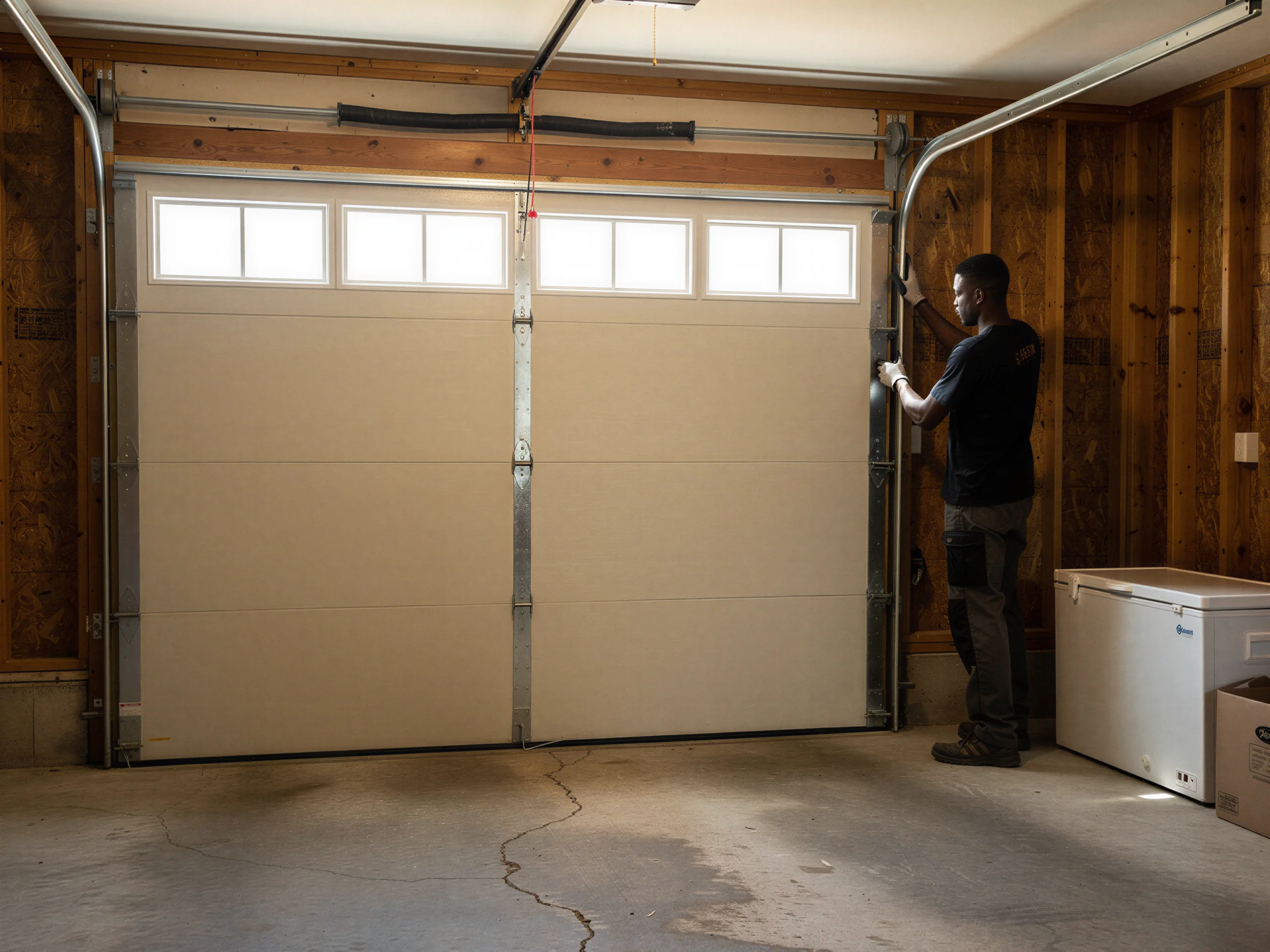
New Door Installation
Eastvale homes mostly date from the 2000s, newer than much of the Rancho Cucamonga area. Learn more →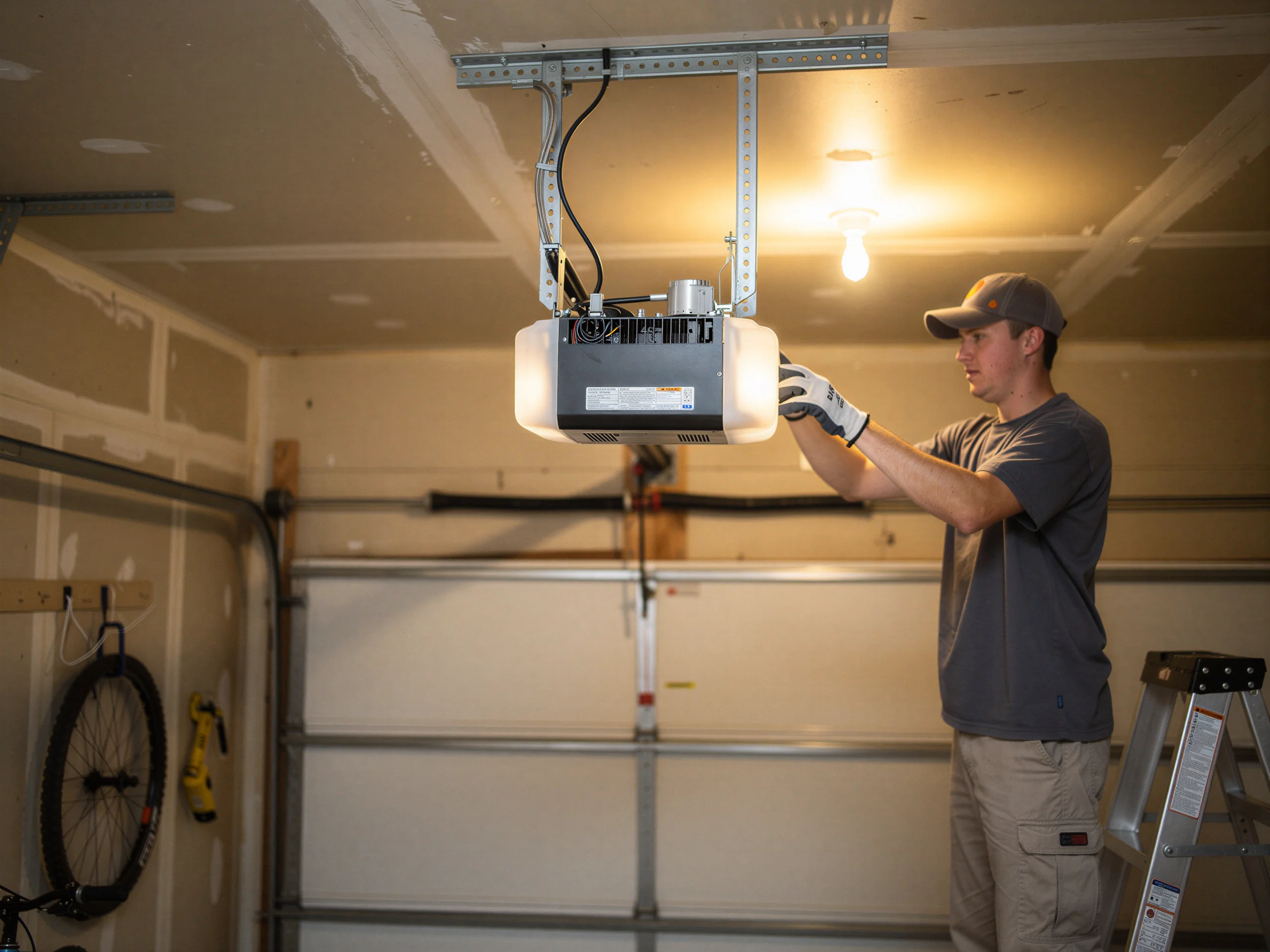
Opener Repair
Eastvale's housing is mostly newer construction, built through 2007, so original builder-grade openers are now aging out. Learn more →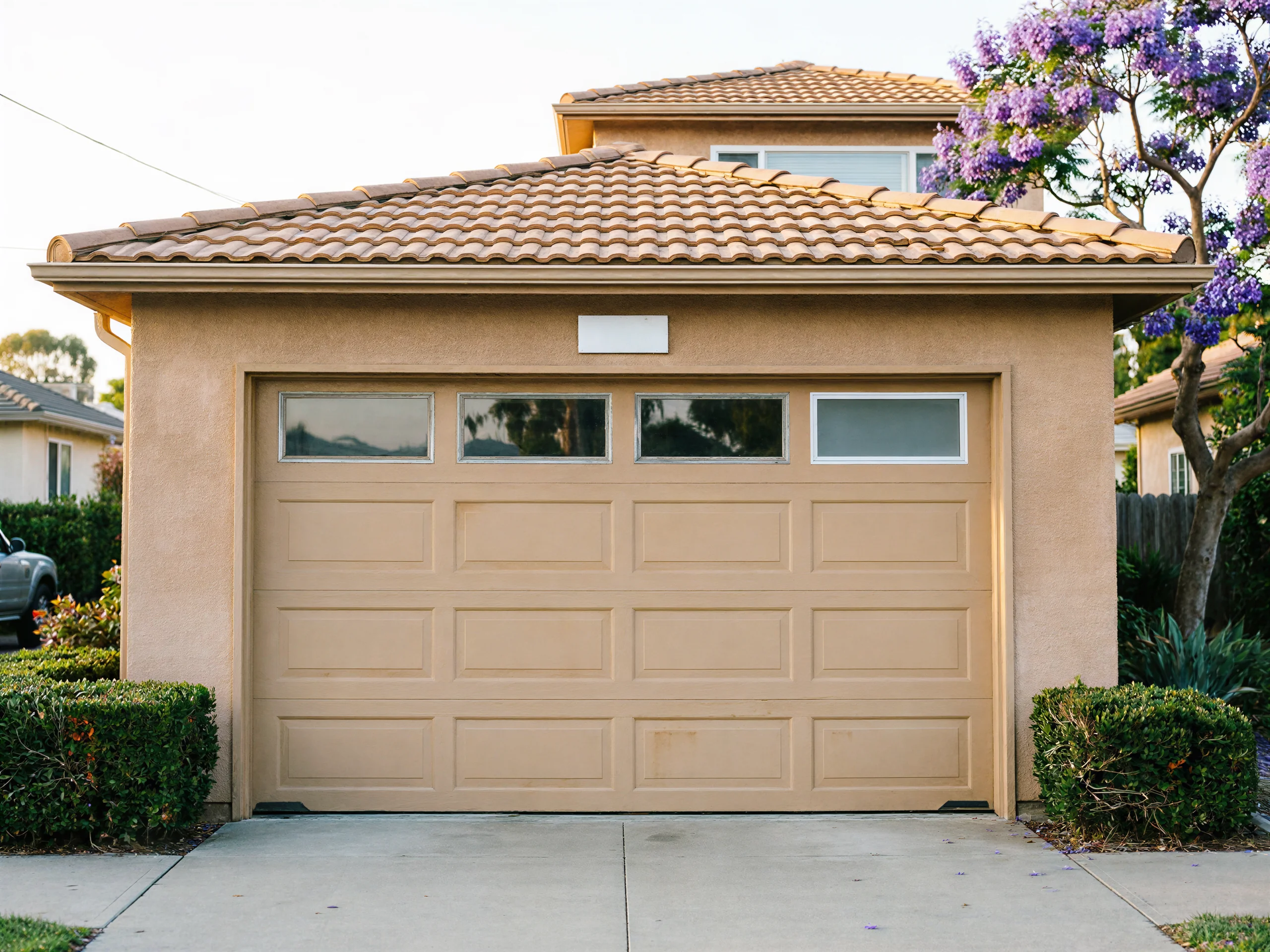
Panel Replacement
Eastvale homes mostly date to the 2000s building boom, so panel faults here run to builder-grade steel and wide double doors. Learn more →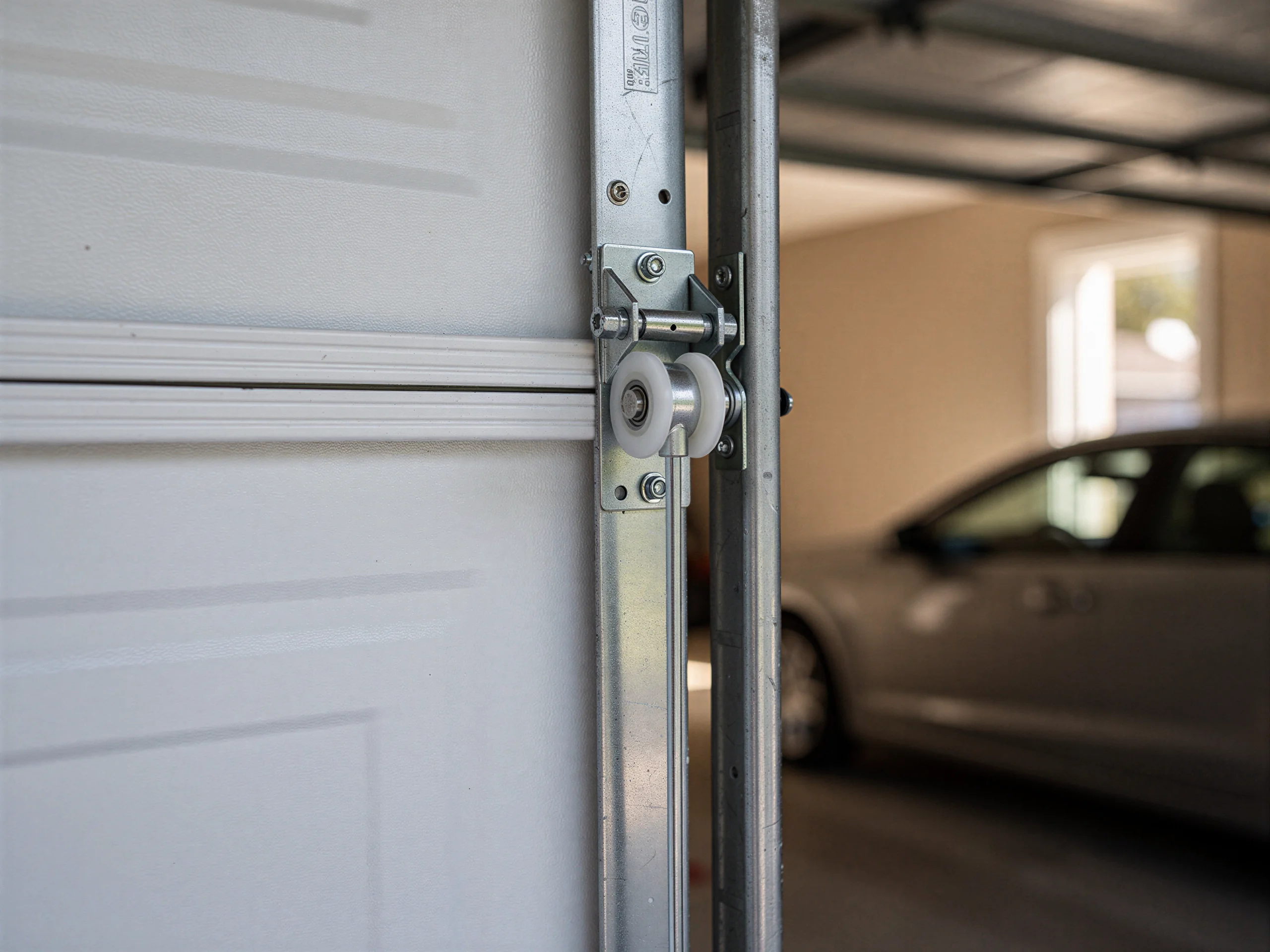
Roller Replacement
Eastvale homes mostly went up around 2007 with builder-grade rollers now near the end of their life. Learn more →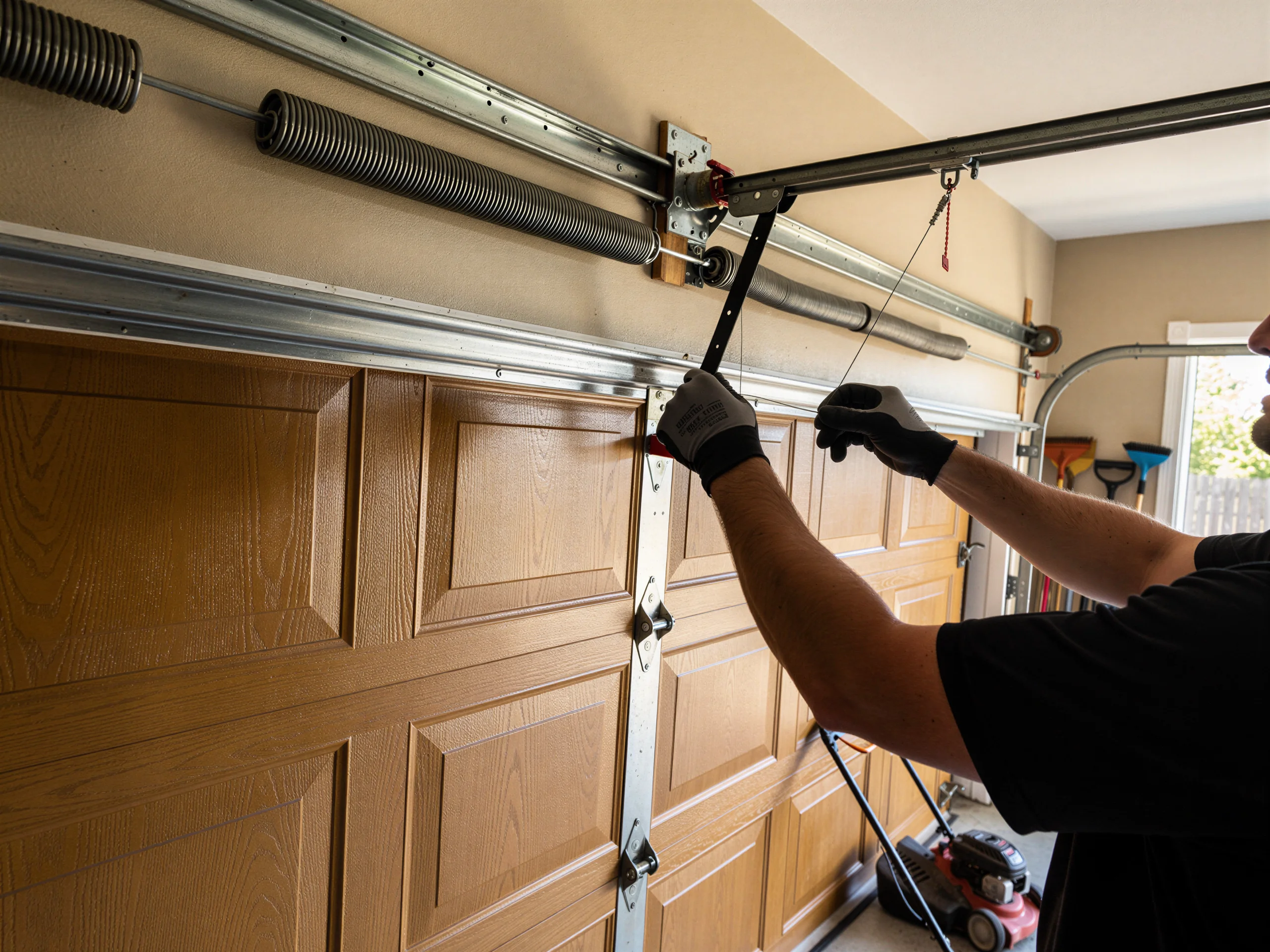
Spring Repair
Spring repair for Eastvale's newer two-car garage doors, built out mostly after 2000. Learn more →Ready when you are
Time for a garage door tune-up in Eastvale?
Rancho Cucamonga Garage Door Pros repairs and installs garage doors, springs and openers in Rancho Cucamonga, CA and the surrounding area.