
Rancho Cucamonga, CA
Garage Door Panel Replacement for Rancho Cucamonga Homes
Dented or cracked garage door panels are common on Rancho Cucamonga's 1960s-2000s housing stock. Learn why it happens, what to expect, and how long a repair takes.
Why It Happens Here
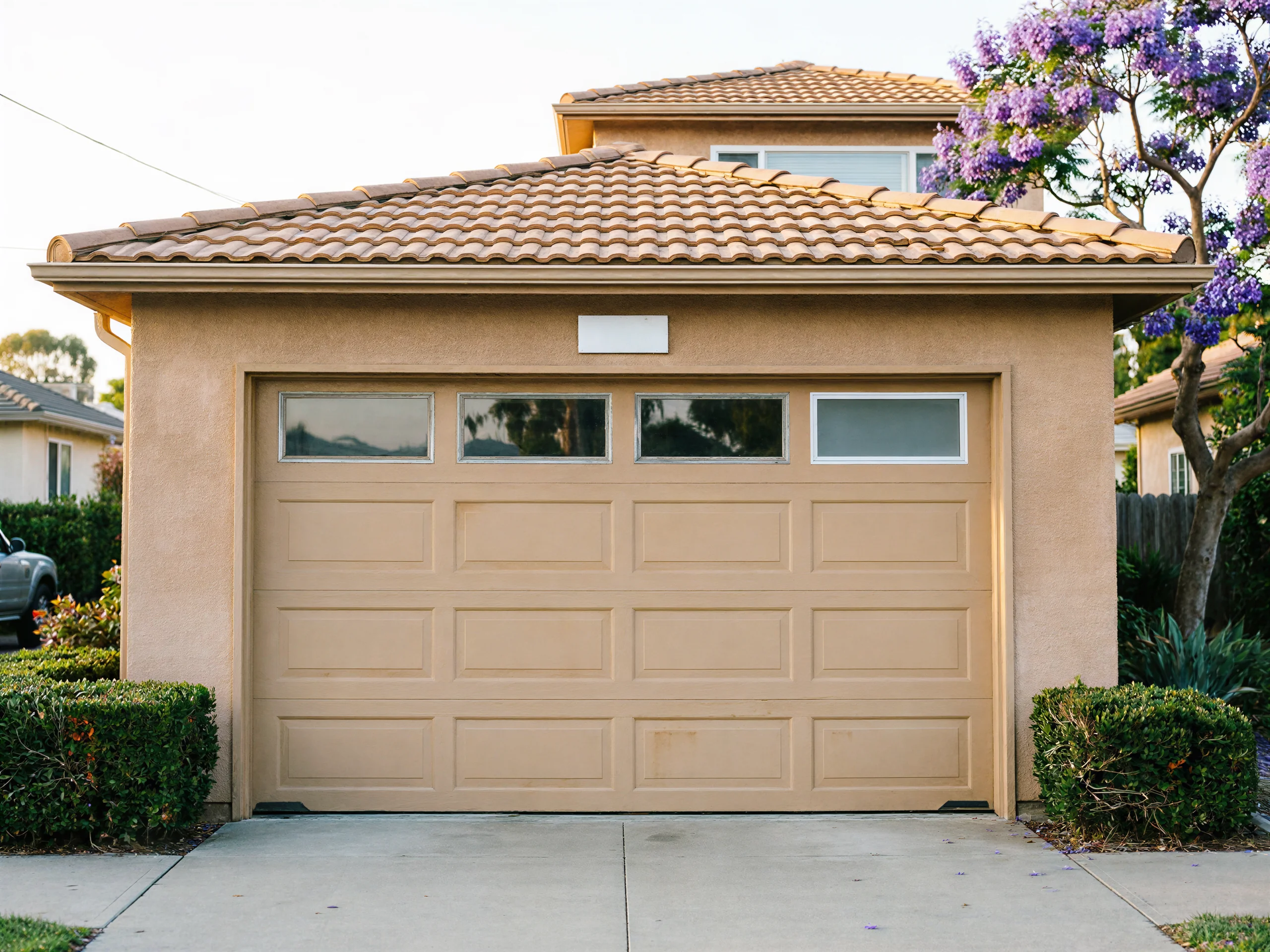
Most of the housing across this service area went up between 1958 and 2007, with a lot of it clustered in that 1960s-70s wave that covers the 21 communities out here, from San Antonio Heights down through Claremont and Montclair. That era of construction leaned heavily on steel sectional doors with thinner gauge panels than what gets installed today, and after four or five decades those panels have taken a lot of sun and thermal swing.
The heat band in this part of the Inland Empire runs moderate, but moderate still means real daily swings between a hot garage interior and a cooler night, and that cycle works on the seams and the foam-core bond inside older panels. You see the bond start to separate at the corners first, usually where a panel meets the track rail, because that's where the metal flexes most every time the door opens and closes.
Add in driveway incidents - a trailer hitch backed in wrong, a bike rack clipping the bottom section - and a panel that was already brittle from age cracks instead of just denting. On a house built in the 1976 median range for this area, the original door is well past the point where a panel still matches the discontinued profile, which changes the whole job from a patch to a real replacement decision.
How It Shows Up
The first sign is usually cosmetic: a dent that doesn't pop back out, a crease running the width of one section, or a corner where the skin has pulled away from the foam backing and you can hear it flex when the door moves.
Bottom panel rust
On older doors from the 1960s-70s stock common across this area, you'll often find rust starting at the bottom panel first, where moisture sits longest. Functionally, a damaged panel can throw the whole door out of alignment.
Bowed panel binding
If the panel is bowed, the rollers inside it start riding at an angle in the track, which means more noise, more wear on the roller itself, and eventually a door that binds partway through its cycle. Some owners call about a 'stuck' door and it turns out to be one bent panel putting pressure on the track rather than a spring or opener problem at all.
Hidden cracked panels
On double-wide doors, a panel issue is more noticeable because the section runs the full width and a dent shows under the right light from the street. Single doors on older homes sometimes hide a cracked panel at the bottom corner behind a flower bed or trash cans, so it goes unnoticed until the gap lets in enough weather to worry about.
What It Costs
We don't post a flat number for panel replacement here because the range depends on the door's age, the panel material, and whether the manufacturer still stocks a matching profile.
Discontinued panel dies
A door built to the thinner steel standard common in the 1960s-70s stock across this area often can't be panel-matched at all - the die that stamped it may not exist anymore, which turns a one-panel job into a full door replacement.
Matching cost drivers
What we can tell you is what drives the number up or down: single panel versus matching a full set across both sides for color and texture, insulated versus non-insulated cores, and whether the track and rollers need adjustment once the new panel goes in. A straightforward matched panel on a newer door is a different job than sourcing an obsolete profile for a house from the median 1976 construction year.
Full replacement sometimes wins
The honest limitation here: if your door is old enough that the manufacturer discontinued the panel design, we'll tell you that up front rather than quote a patch that won't match or won't last. Sometimes full replacement is the better dollar-for-dollar move, and we'd rather say that on the first visit than after you've paid for a panel that doesn't fit.
How Long You Are Without the Door
A single panel swap, when the part is in stock or a close match exists, is usually a same-visit job - the door comes back into service before the truck leaves.
Sourcing matching panels
The time sink is almost never the install itself; it's sourcing the right panel for an older door. For houses built in that 1958-2007 range that makes up most of this area's stock, finding a panel that matches an existing door built decades ago can take longer than the repair, especially if the color or the rib pattern isn't a current production style.
Bracing the existing panel
In those cases we'll often recommend leaving the door operable with the existing panel braced or secured rather than leaving the opening unsecured while we wait on parts.
Full-door lead time
If full replacement turns out to be the right call instead of a panel match, that's a different timeline with its own lead time for the new door itself. Either way, your garage isn't sitting open and unsecured during the wait - that's not something we'd leave a homeowner with.
Questions
Common questions
Can you match just one panel on my door, or do I need a whole new door?
It depends on the door's age and whether the manufacturer still produces that panel profile. Doors from the 1960s-70s stock common in this area often used designs that are long discontinued, which means a full door is sometimes the more practical and better-matching option than chasing one panel.
Will a cracked panel affect how my opener works?
Yes, indirectly. A bent or cracked panel can throw off the track alignment, which makes the rollers bind and puts extra strain on the opener's motor. What looks like an opener problem is often a panel pushing the door out of true.
Is it normal for panels to crack from the sun out here?
The heat here runs in the moderate band, but the daily swing between a hot garage and cooler night still works on older foam-core panels over time, especially ones original to houses built decades ago. It's more about age and thermal cycling than any single heat event.
Explore more
Explore More Services In Rancho Cucamonga, CA
Garage Door Opener Repair Across Rancho Cucamonga and the Surrounding Service Area
Opener grinding, reversing, or dead on arrival? Learn more →
Garage Door Roller Replacement, Rancho Cucamonga
Why roller failure is so common on Rancho Cucamonga's 1958-2007 housing stock, what drives the repair cost, and how long your door is actually out of service. Learn more →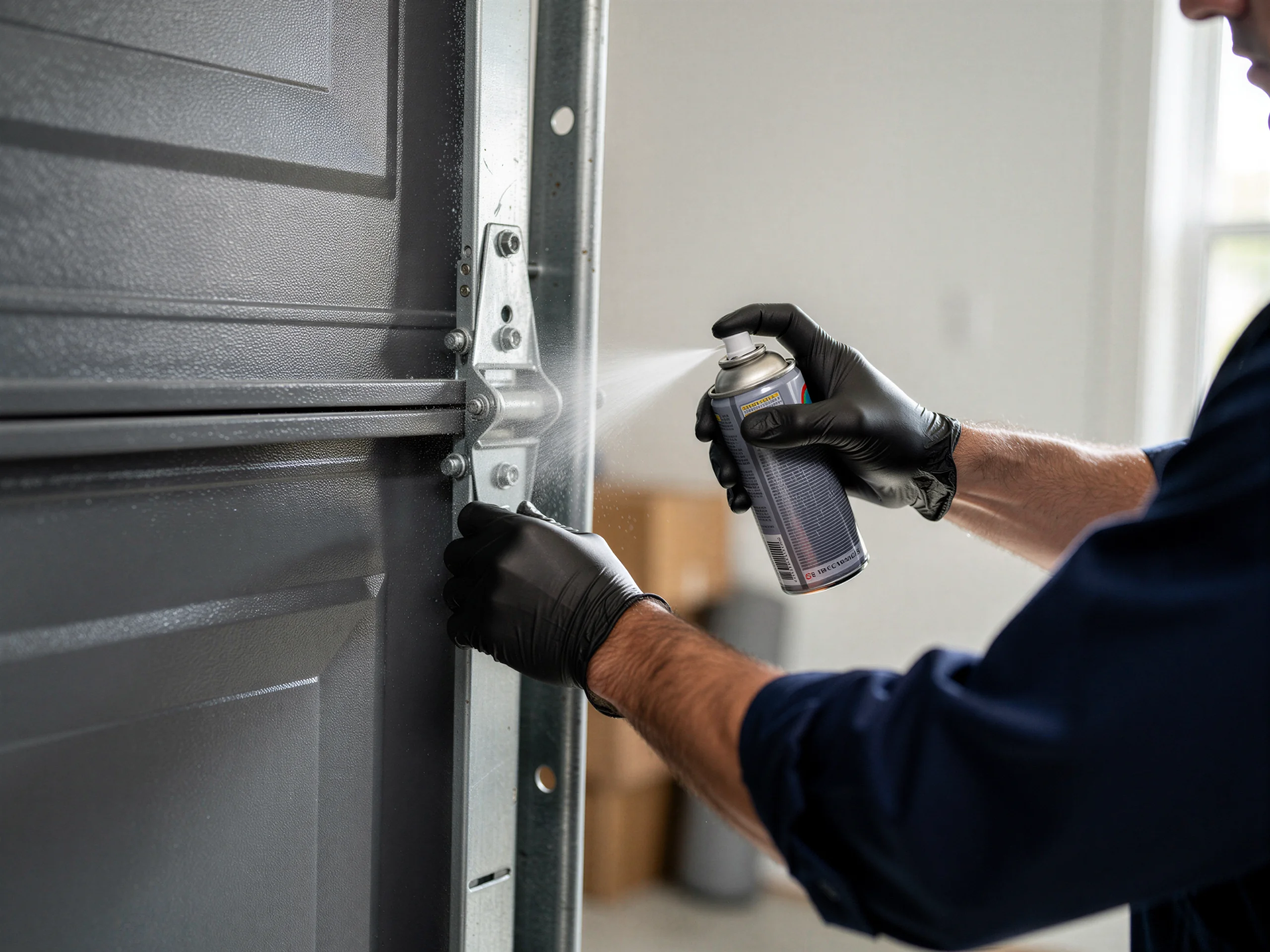
Garage Door Service Built Around Rancho Cucamonga's Housing Stock
Garage door service in Rancho Cucamonga built around local housing stock from 1958-2007 and moderate heat cycles. Learn more →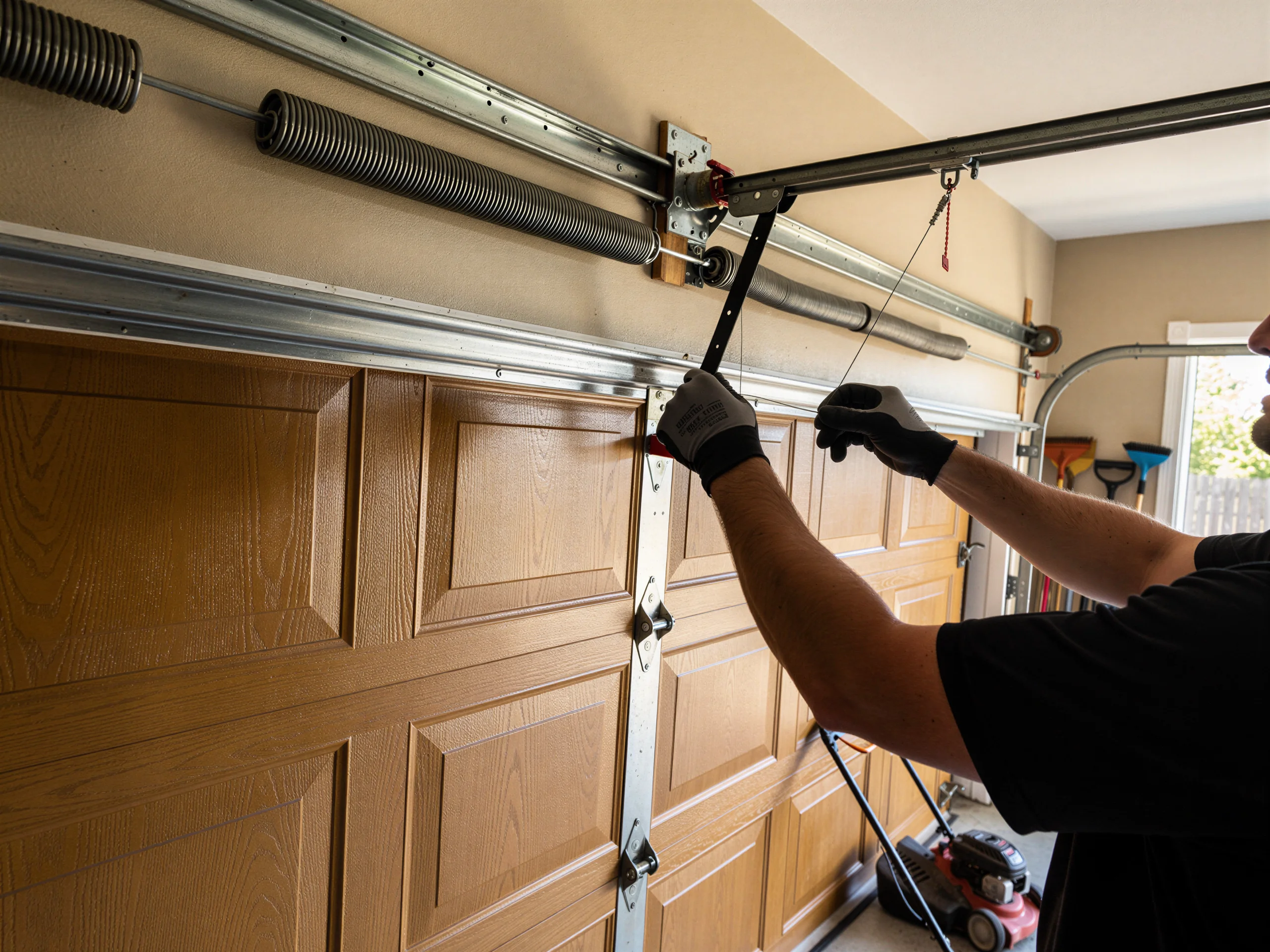
Garage Door Spring Repair Across the Rancho Cucamonga Area
Torsion and extension springs here are wearing out on schedule with 1960s-70s housing stock. Learn more →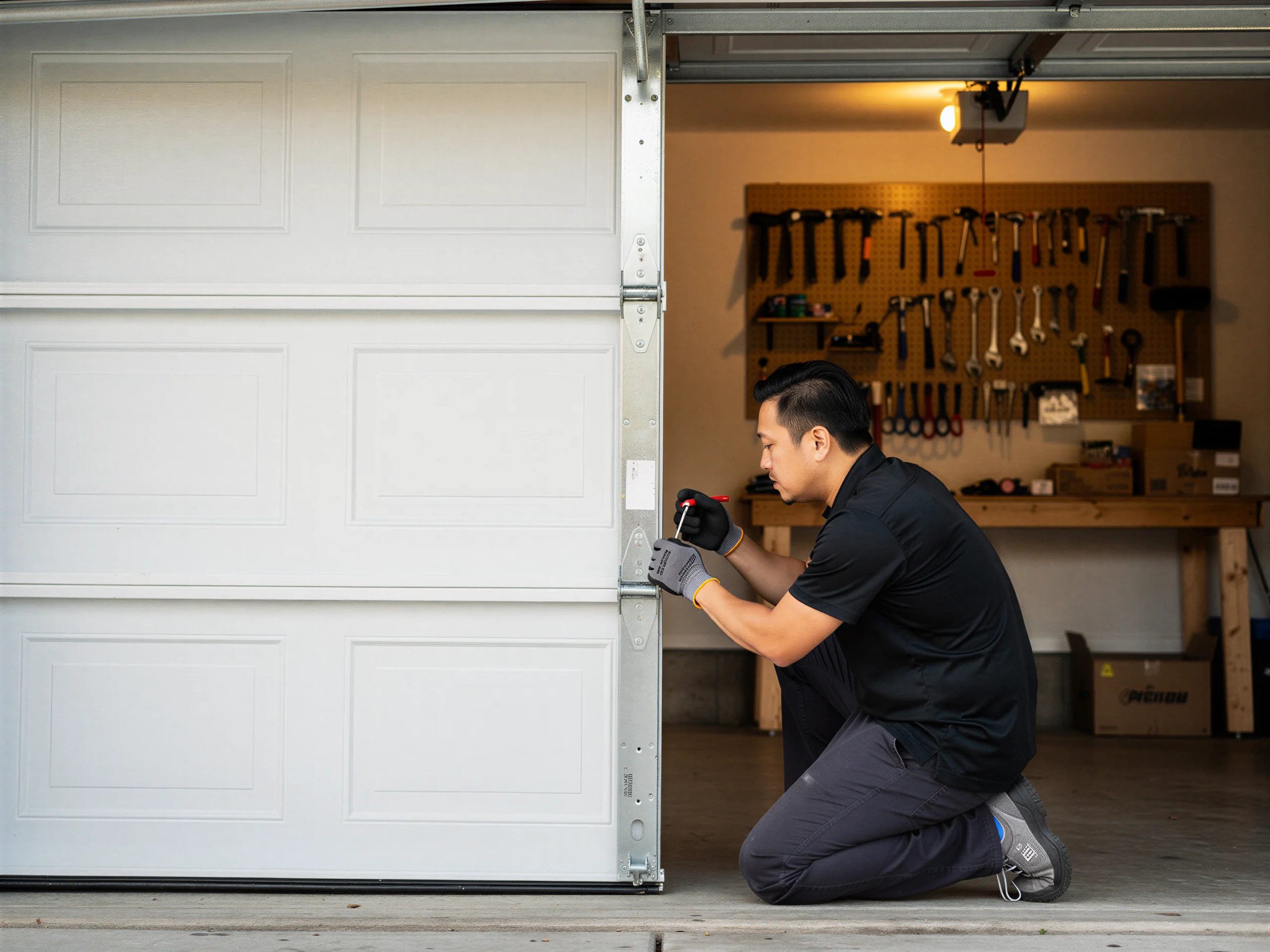
Garage Door Repair for Rancho Cucamonga Homes
Torsion springs and opener gears failing on 1960s-70s Rancho Cucamonga homes. Learn more →
Garage Door Maintenance for Rancho Cucamonga Area Homes
Garage door maintenance built for Rancho Cucamonga's 1958-2007 housing stock and heat exposure. Learn more →Ready when you are
Cracked or dented door panel in Rancho Cucamonga?
Rancho Cucamonga Garage Door Pros repairs and installs garage doors, springs and openers in Rancho Cucamonga, CA and the surrounding area.