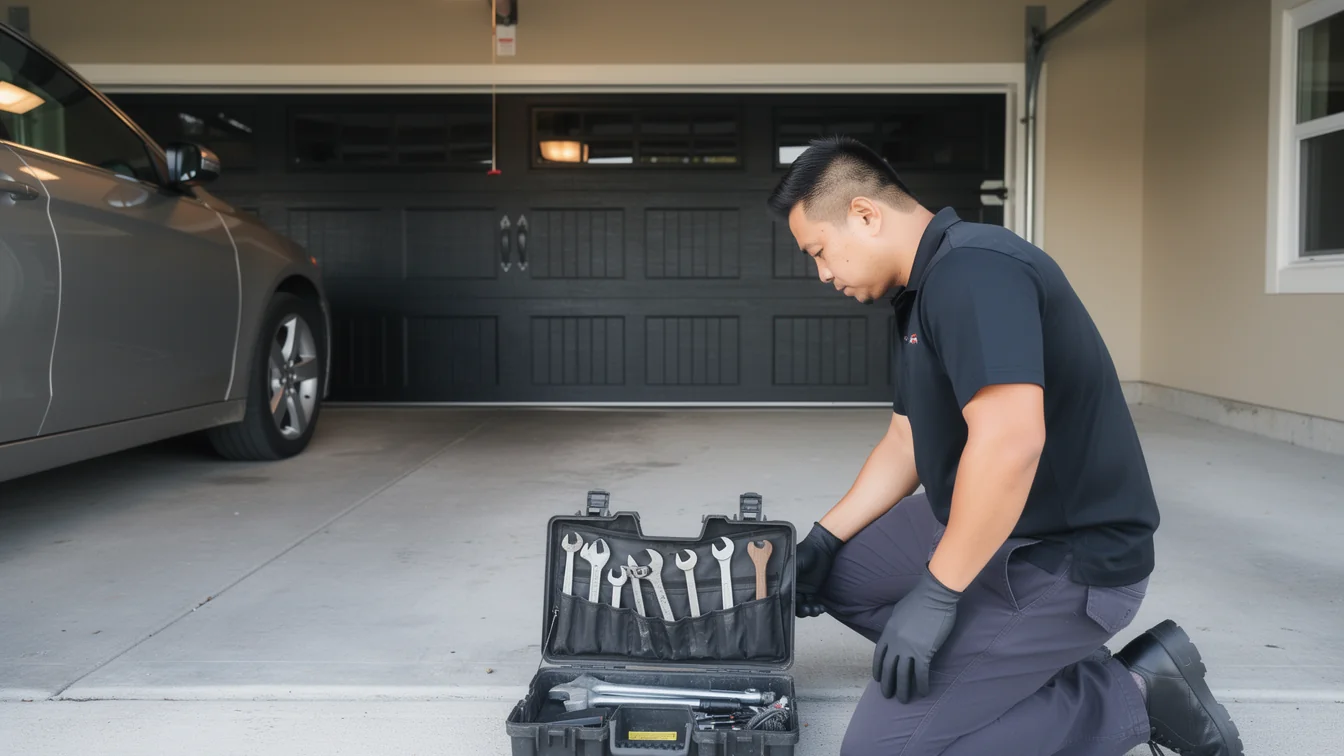
 What a Service Call Actually Covers
A service call in Rancho Cucamonga usually means a 1960s-70s door, heat-dried lubrication, or hardware as old as the house itself - here's what gets checked.
What's Really Behind Garage Door Trouble in Rancho Cucamonga
Rancho Cucamonga's 1958-2007 housing stock means aging torsion springs and original openers. Here's what local conditions mean for your door and when it's worth a call.
Local detail
The Problem
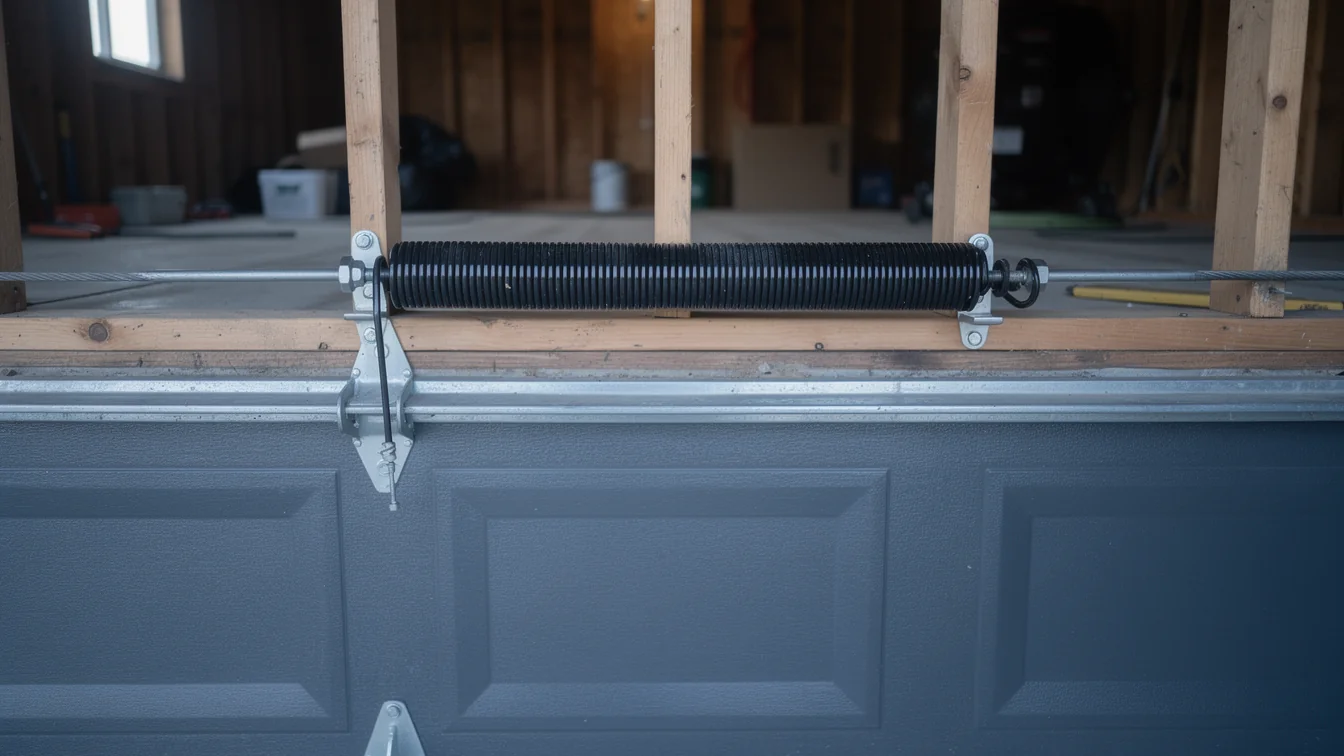
Most houses in this part of the valley went up between 1958 and 2007, with the typical build year sitting around 1976. That means a lot of garages still have the torsion spring and opener setup that came with the house, or a direct swap from decades back. Springs are rated for a number of open-close cycles, not years, but after 30 to 50 years of daily use, a spring that looks fine can be a day away from snapping. We see this across the 21 named areas that make up this stretch of the Inland Empire, not just one neighborhood. The housing isn't new-build tract stuff with modern torsion hardware and safety cables as standard; it's a mix of eras, which means a mix of failure points. A door from a 1976-built house might have had the opener replaced twice but never the spring. That's the pattern worth knowing before you call anyone: the age of the house tells you more about what's likely wrong than anything else.
The area
What Local Conditions Do
The climate band here runs moderate heat, not the brutal cold-snap extremes that crack metal overnight in other parts of the country. So when a spring does let go on a cold morning in Rancho Cucamonga, it's rarely a sudden freeze event - it's metal that's been cycling for decades finally giving out, and the drop in overnight temperature just happens to be the final push. Heat does its own damage over time too: it dries out lubricant on rollers and tracks faster, and nylon rollers from older installs get brittle and start chipping. None of this is dramatic weather. It's steady wear that adds up across a housing stock averaging close to 50 years old. If your door is sticking, groaning, or closing unevenly, it's worth asking how old the spring and rollers actually are before assuming it's the opener.
What we find
When to Call Someone
Call if the door won't stay open on its own, if you hear a loud bang from the garage (that's almost always the spring), or if one side of the door looks lower than the other when it's going up or down. Across this service area of roughly 248,882 households, 131,027 of them owner-occupied, a good share of these calls trace back to original or near-original hardware from the 1960s-70s building wave. With a median household income of $96,190, most owners here can afford a full spring replacement rather than a patch job, but that's a decision point, not a rule - a door that's otherwise solid doesn't need a full overhaul just because the spring finally wore out. We won't tell you to replace a door that only needs a spring. That's the honest limit of what a repair call should cost you.
How we work
When Waiting Is Fine
Not every noise is an emergency. A door that's a little slow to close, or squeaks on the way up but still moves evenly, can usually wait for a scheduled visit instead of an emergency call. Same with cosmetic dents on a panel that don't affect the track or the balance. If the door opens and closes level, stays put when you stop it halfway, and the opener doesn't strain or reverse unexpectedly, you've got time. Given how much of the housing stock here dates back to the 1958-2007 range, a lot of owners are managing aging but still-functional systems, and there's no reason to rush a replacement on a door that's doing its job. Save the urgent call for when the spring's visibly broken, the cable's off the drum, or the door won't stay up.
Questions
Common questions
How do I know if my garage door spring is original to the house?
If your house was built in the 1960s or 70s and the spring has never been mentioned on a service record, there's a good chance it's original or close to it. A tech can check the wind and wire gauge to estimate age. Given how much of this area's housing dates to that era, it's a common finding.
Does the heat here cause garage door problems?
Moderate heat mostly affects lubrication and rollers over time rather than causing sudden failures. Dried-out tracks and brittle nylon rollers are the usual result of years of heat cycling, not a single hot day. It's steady wear, which fits with how old a lot of the door hardware in this area already is.
Is it worth replacing the whole door or just fixing the spring?
If the panels, track, and opener are sound, a spring replacement is usually the right call and the cheaper one. Full replacement makes more sense when the door itself is damaged or so old the parts are hard to source. We'll tell you straight which one you're looking at rather than defaulting to the bigger job.
Recommendation
You Might Also Like
More garage door guides for Rancho Cucamonga homeowners.
What a Service Call Actually Covers
A service call in Rancho Cucamonga usually means a 1960s-70s door, heat-dried lubrication, or hardware as old as the house itself - here's what gets checked.
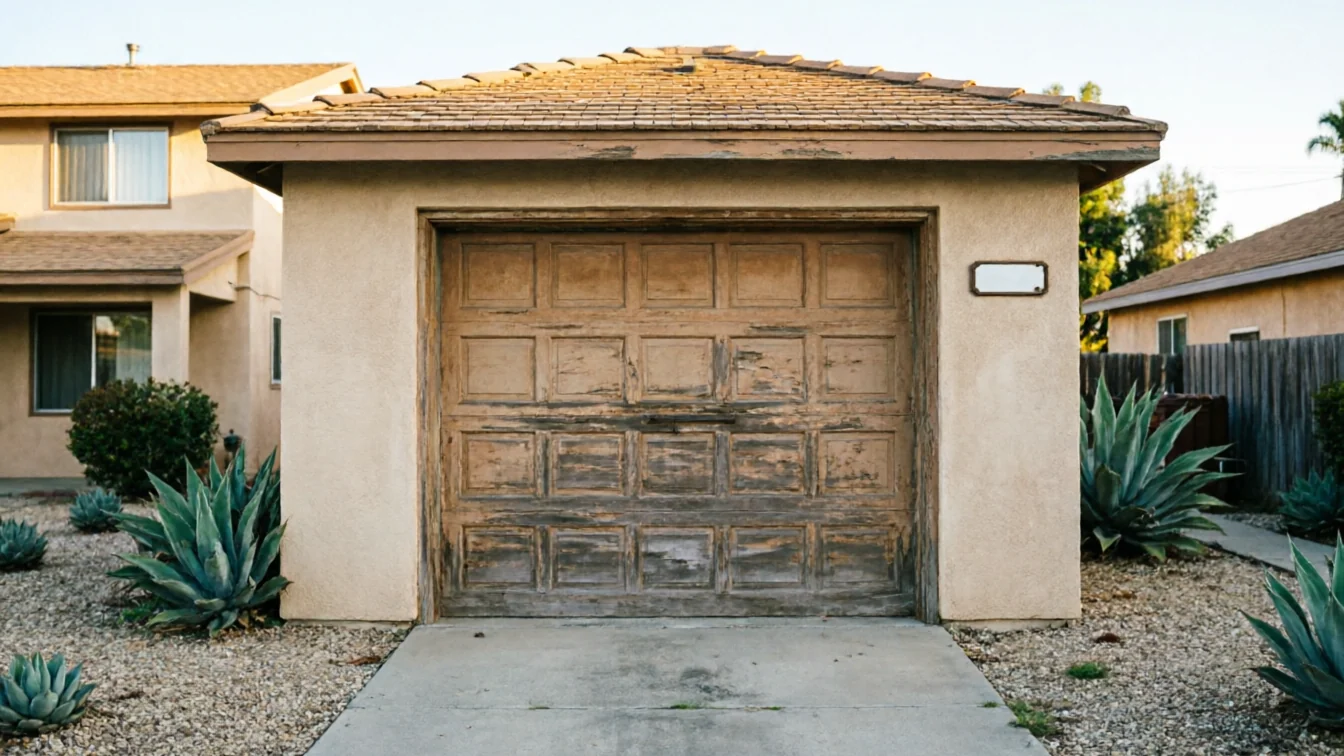 Is Your Old Garage Door Worth Fixing in Rancho Cucamonga
Rancho Cucamonga homes mostly date 1958-2007, median build year 1976.
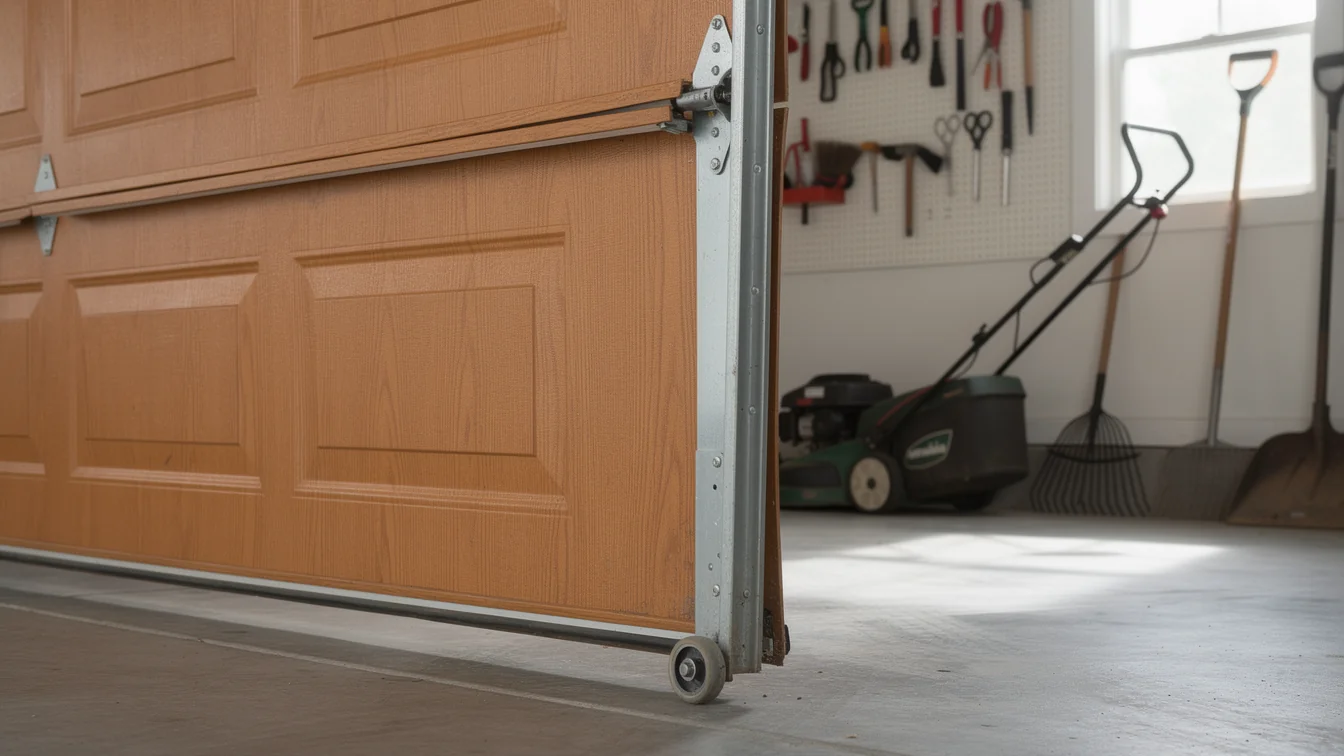 Why Your Garage Door Keeps Jumping the Track
A look at why older Rancho Cucamonga tracks shift out of line, tied to the area's 1958-2007 housing stock and moderate heat band, plus when to call and when to wait.
Ready when you are
Need a garage door sorted in Rancho Cucamonga?
Rancho Cucamonga Garage Door Pros repairs and installs garage doors, springs and openers in Rancho Cucamonga, CA and the surrounding area.