 What the Age of Your Garage Door Says About Your House
Most Rancho Cucamonga garage doors date to the 1958-2007 building boom, many with no insulation.
What a Service Call Actually Covers
A service call in Rancho Cucamonga usually means a 1960s-70s door, heat-dried lubrication, or hardware as old as the house itself - here's what gets checked.
Local detail
The Problem
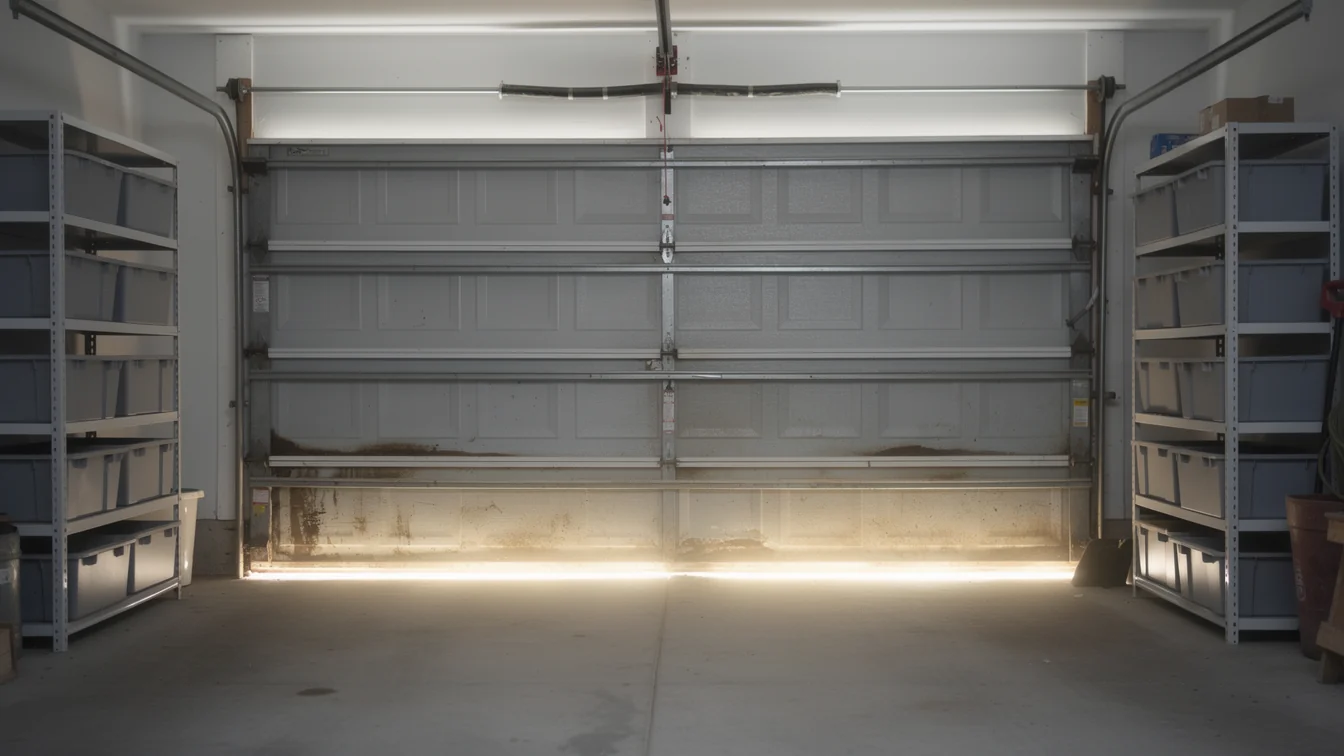
Most of Rancho Cucamonga's garage doors were installed when the houses went up - between 1958 and 2007, with the typical build year sitting around 1976. That's not a small detail. A door and opener bought in the mid-70s has outlived the car it used to share a driveway with, and the hardware on it is original more often than not. Across the city's 21 named neighborhoods, the dominant housing stock dates to the 1960s and 70s, which means a lot of doors are still running on the original steel tracks and galvanized hardware from that era. When we show up for a service call, the first question isn't "what's broken" - it's "how old is this system, and what's it been doing for forty-plus years." A spring rated for ten thousand cycles installed in 1976 has had a lot of time to use those cycles up. The problem in this town isn't neglect. It's that a house this age was never built with a maintenance schedule for a garage door, because nobody expected the door to outlast three owners.
The area
What Local Conditions Do
Rancho Cucamonga sits in a moderate-heat climate band, so the springs and nylon rollers on these doors see daily summer heat cycling that dries out lubrication faster than it would in a cooler coastal town. Grease hardens, nylon rollers get brittle at the edges, and torsion springs lose a little tension every time they expand and contract through a hot afternoon and a cool night. On a door from the 1976 median build year, that's close to fifty years of that cycle stacked up. We also see a lot of original galvanized cable starting to show rust pitting where it wraps the drum, not from rain but from temperature swings condensing moisture inside the garage overnight. None of this is dramatic. It's slow wear that adds up, and it's the reason a door that's worked fine for years can suddenly bind, drop crooked, or snap a cable on an otherwise ordinary Tuesday. We don't treat heat the way we'd treat a hailstorm - there's no single event to point to. It's cumulative, and it's baked into the age of the housing stock here.
What we find
When to Call Someone
Call if the door is off-balance - one side lower than the other when it's halfway open, or a visible gap where the cable has come off the drum. Call if you hear a loud bang and the door won't move; that's almost always a torsion spring letting go, and on a double door from this era it usually takes out hardware that isn't stocked anymore and has to be sourced. Call if the opener runs but the door doesn't move with it, since that's often a stripped gear or a broken cable, not the opener itself. With a median household income of $96,190 across the service area, most homeowners here are weighing a $20 roller against a full opener replacement, not choosing between fixing it and living without a garage - so it's worth a real diagnosis before assuming the worst. One honest limit: if a part is obsolete enough that we can't get it on the truck, there's a lead time, and we'll tell you that up front rather than string you along with a temporary fix that won't hold.
How we work
When Waiting Is Fine
Not every noise is an emergency. A single dry squeak from a roller, or a door that's slightly noisier than it used to be, can usually wait for a scheduled visit rather than an urgent call. Across the 248,882 households and 131,027 owner-occupied houses in this service area, a huge share of garage doors are original equipment from well before 2000, and plenty of them are still doing fine with nothing more than periodic lubrication and a hardware check. If the door opens and closes smoothly, closes flush with the floor, and the opener reverses properly when it hits something, you don't need us this week. Cosmetic wear - faded paint, a dented bottom panel from a stray bike, a slightly loose weatherstrip - is a fine thing to put off until it bothers you enough to fix it, not because it's actively failing. The exception is anything involving the spring system or cables under tension; those don't get safer by waiting, and they're not a DIY repair regardless of the house's age.
Questions
Common questions
Why does my garage door need service more in Rancho Cucamonga than it seemed to need where I used to live?
It's less about the town and more about the house. A lot of Rancho Cucamonga homes were built in the 1960s and 70s, median around 1976, so the doors are simply older on average. Add in daily heat cycling that dries lubrication and stresses springs, and original hardware from that era is due for attention sooner than a newer system would be.
Is it normal for a 1970s-era door to still have its original spring?
It happens, but it's living on borrowed time. Torsion springs are rated for a set number of cycles, and a door from the 1976 median build year has likely used most or all of that rating. We check spring wear on every service call, especially on original hardware.
What does a basic service call actually include?
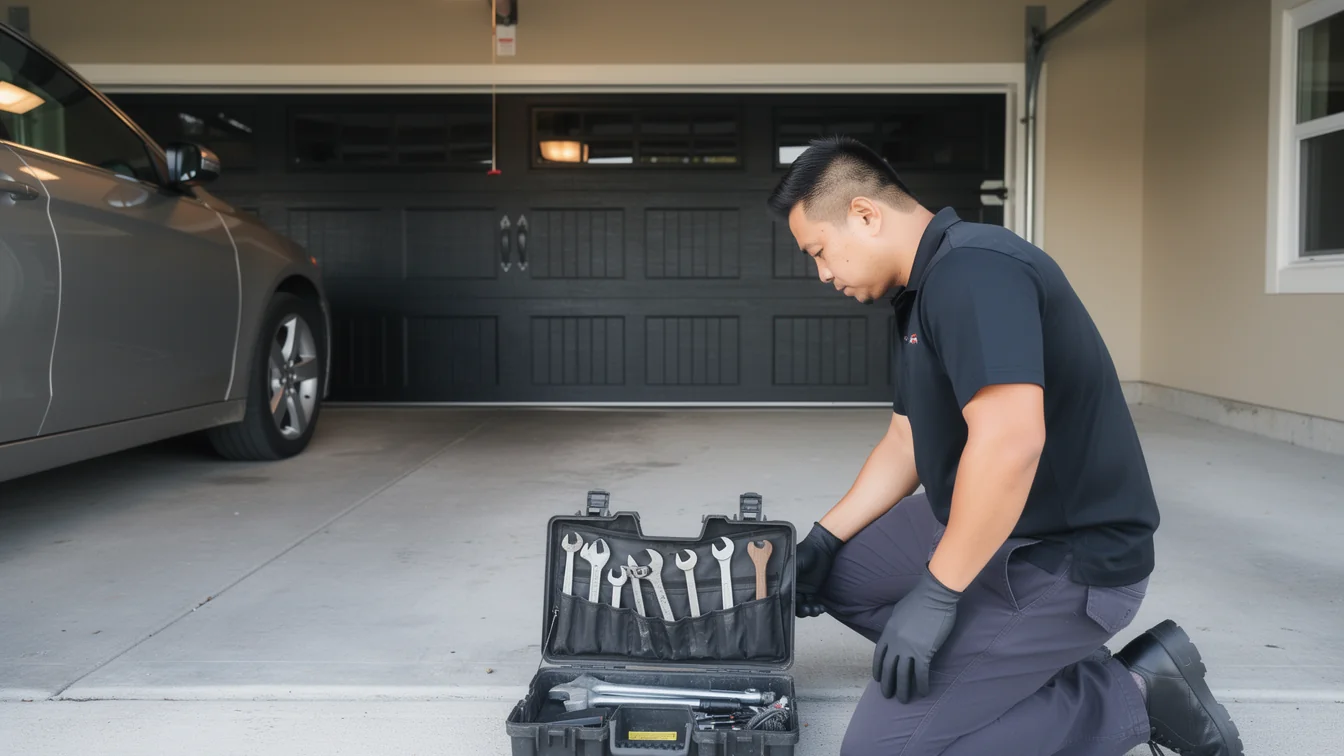
A full check of the spring tension and condition, cable wear at the drums, roller and hinge condition, track alignment, and opener force settings. On older systems we also look for obsolete hardware that may need sourcing before a full repair can happen, since some parts from this housing era aren't stocked on the truck.
Can heat really affect a garage door that much?
Yes, cumulatively. Rancho Cucamonga's moderate-heat climate means grease and lubricants break down faster, nylon rollers get brittle, and springs lose tension a little each year through expansion and contraction. It's not one bad day, it's decades of that cycle on a door from the 1960s-70s housing stock.
Recommendation
You Might Also Like
More garage door guides for Rancho Cucamonga homeowners.
What the Age of Your Garage Door Says About Your House
Most Rancho Cucamonga garage doors date to the 1958-2007 building boom, many with no insulation.
 What a Power Cut Does to Your Garage Door Opener in Rancho Cucamonga
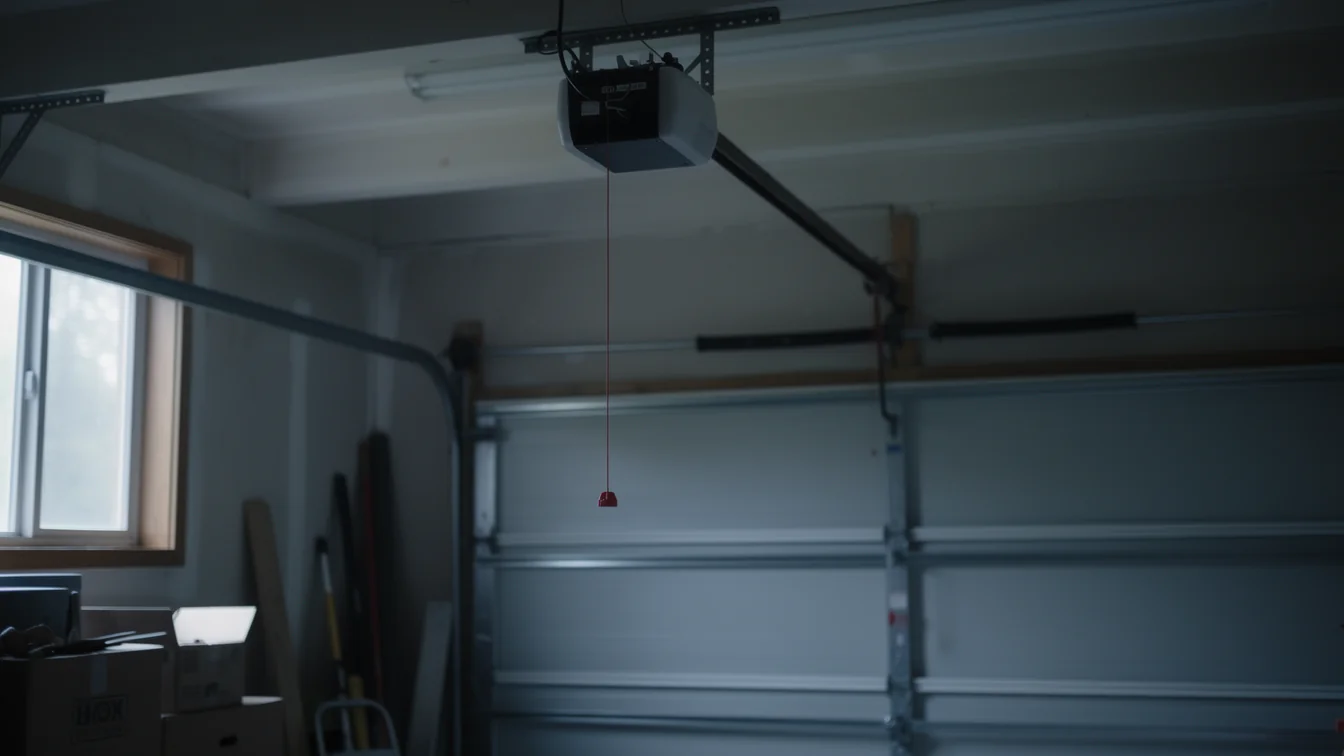
Rancho Cucamonga homes built mostly in the 1960s-70s run openers that predate battery backup and heat-rated boards.
 Draughty Garage Doors in Rancho Cucamonga: What's Actually Going On
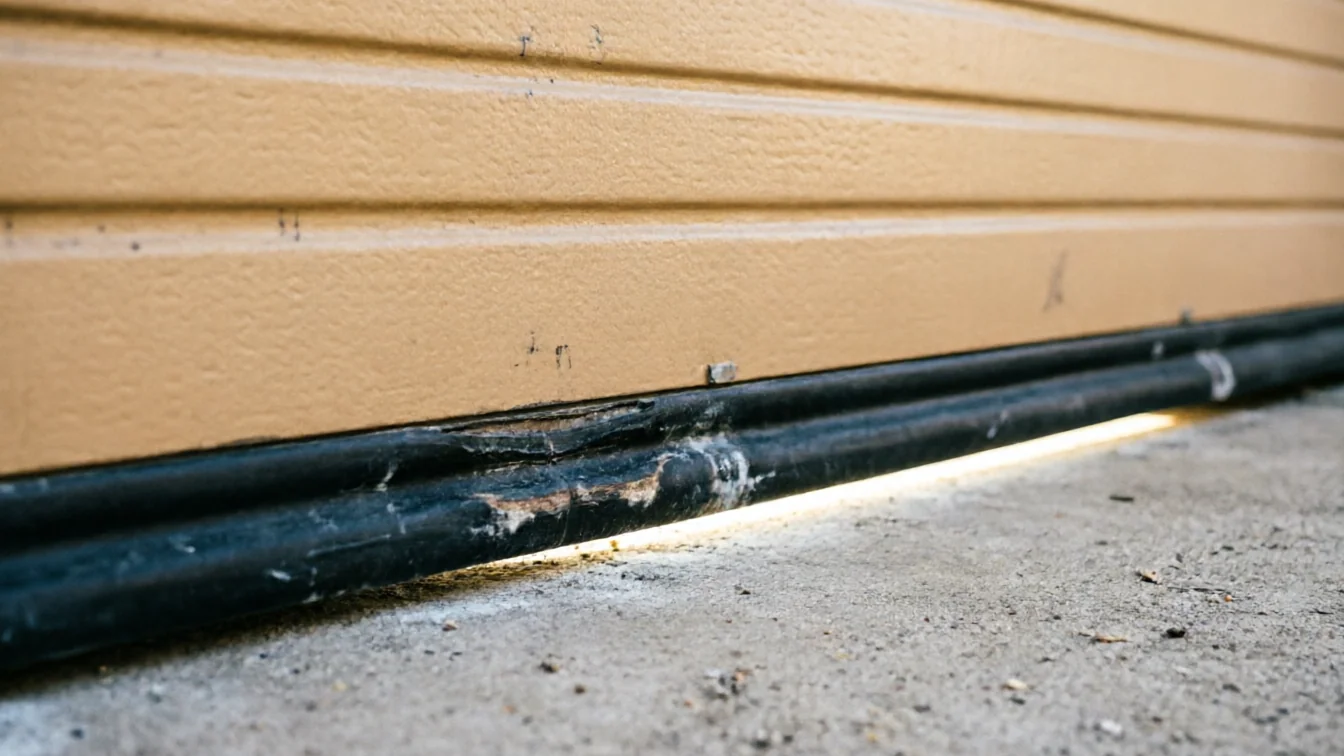
Why garage door weather seals fail faster on Rancho Cucamonga homes built mostly in the 1960s-70s, what the heat does to that rubber, and when a draught is worth a call.
Ready when you are
Need a garage door sorted in Rancho Cucamonga?
Rancho Cucamonga Garage Door Pros repairs and installs garage doors, springs and openers in Rancho Cucamonga, CA and the surrounding area.