
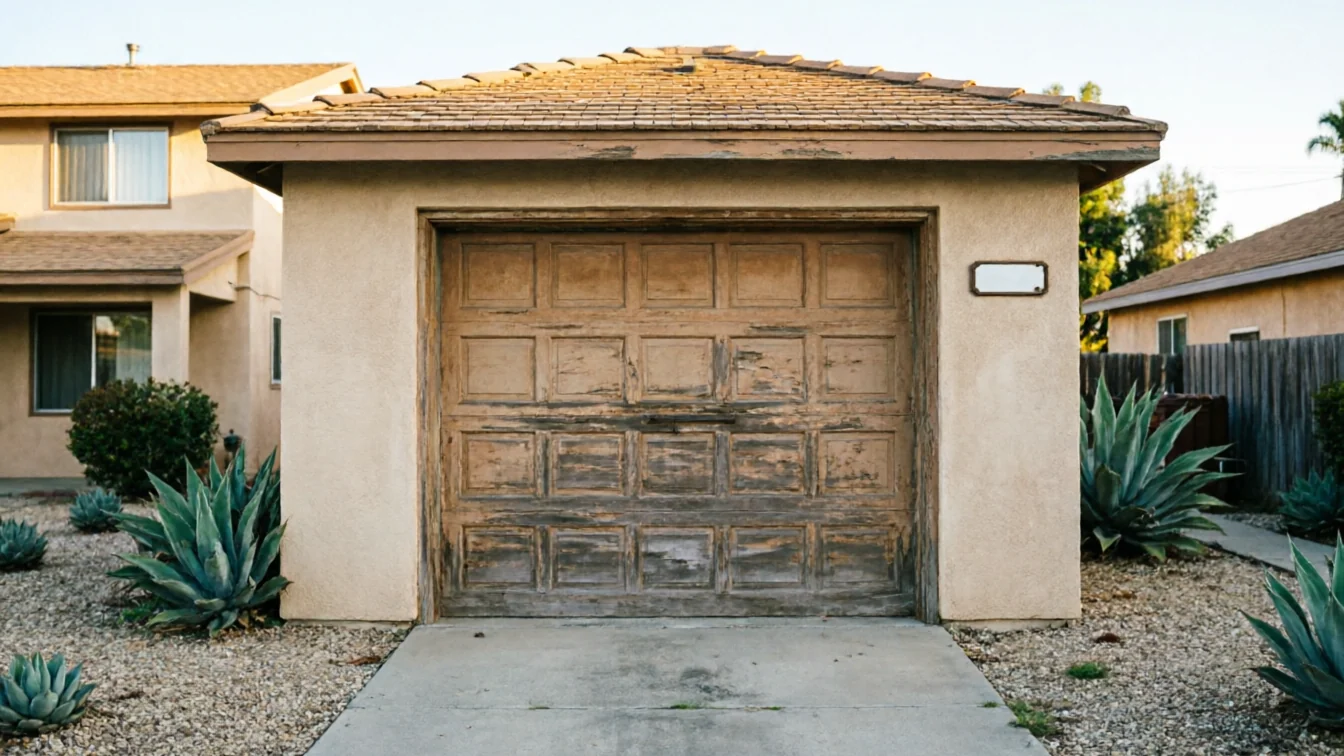
 Is Your Old Garage Door Worth Fixing in Rancho Cucamonga
Rancho Cucamonga homes mostly date 1958-2007, median build year 1976.
Why Your Garage Door Keeps Jumping the Track
A look at why older Rancho Cucamonga tracks shift out of line, tied to the area's 1958-2007 housing stock and moderate heat band, plus when to call and when to wait.
Local detail
The Problem
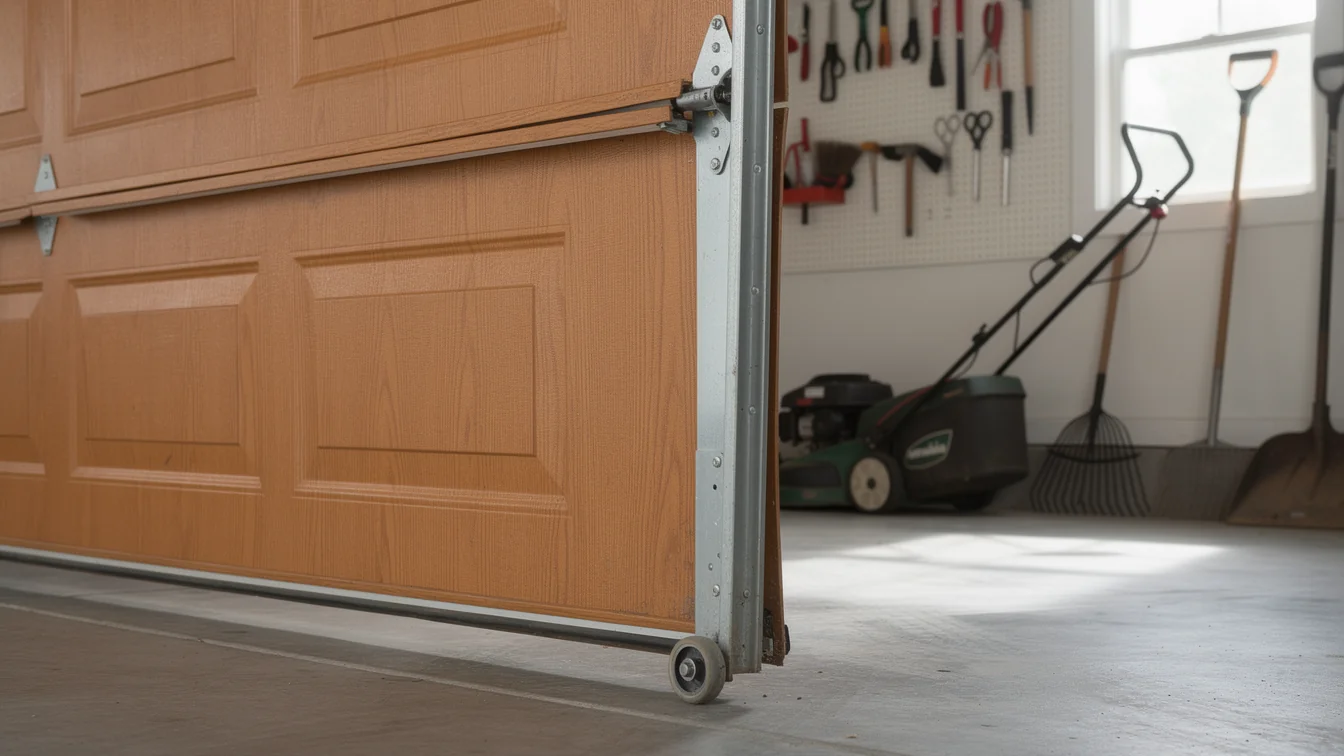
A door that's off track doesn't usually slip all at once. It walks there over months. One roller starts riding the edge of the rail instead of the center groove, the bracket holding that section of track loosens a sixteenth of an inch, and the door starts binding every time it passes that spot. Most of the houses we work on in Rancho Cucamonga went up somewhere between 1958 and 2007, with the typical build year around 1976, which means a lot of track hardware out there has been through forty-plus years of door cycles. The galvanized track itself usually holds up fine. It's the mounting brackets, the roller stems, and the fasteners bolted into framing that ages less gracefully. On a two-car door that's original to a 1970s build, we often find the vertical track is still straight but the brackets have worked loose from decades of the door's own weight pulling on them every time it opens.
The symptom is almost always the same: a door that used to run quiet starts grinding, hesitating, or leaning slightly to one side as it travels. By the time you can see daylight between the roller and the rail, the door has already been riding wrong for a while.
The area
What Local Conditions Do
Rancho Cucamonga sits in a moderate heat climate band, and that matters more for garage doors than people expect. Steel track and aluminum or steel panel sections expand and contract through the day's temperature swing, and a garage that sits closed and unventilated for hours can get considerably hotter than the air outside. That expansion cycle works on fasteners the same way freeze-thaw works on pavement elsewhere - not dramatically, but every single day, for years. On the older end of our housing stock, especially the 1960s-70s builds that make up a large share of the roughly two dozen neighborhoods we serve, the original mounting hardware was never designed to be re-torqued or inspected. Nobody's been back to check those bolts since the house was framed.
Heat also thins out old grease and lubricant on rollers and hinges faster than a milder climate would, so a roller that's dry-riding generates more friction, pulls harder against its bracket, and nudges the track out of alignment faster than it would somewhere cooler. It's a slow mechanical push, not a single event, but it's consistent and it's specific to how this area sits - the door takes the heat load every afternoon whether anyone notices or not.
What we find
When to Call Someone
Call if the door is visibly leaning to one side as it travels, if you can see a gap of more than an eighth of an inch between a roller and its track, or if the door has jumped the track far enough that a cable or spring is now carrying weight it wasn't built to carry. On a two-car door with a center support, a track that's come loose on one side can let the whole section torque, which puts load on the opener and the springs that they're not rated for. That's not a tighten-it-yourself situation - if a cable has come off a drum or a torsion spring is under tension and the track's bent, that's a call, not a weekend project.
We'll say plainly what we won't do: we don't recommend trying to force a door back onto bent track by hand or with a come-along, and we won't quote a track straightening job sight unseen over the phone, because on older brackets it's often cheaper and safer to replace the section than to re-align it. If your door is original to a house built well before 1990, there's a decent chance the track and brackets are due for replacement rather than repair anyway.
How we work
When Waiting Is Fine
If the door still opens and closes square, runs quietly, and you just noticed a roller riding slightly off-center on one panel with no grinding or binding, that's worth watching rather than an emergency call. A light coat of garage-door-rated lubricant on the rollers and hinges, applied every few months, does more good here than people expect given how fast heat dries out old grease. If the track looks straight and the brackets are snug when you check them by hand, you likely have time to schedule a look rather than needing someone same-day.
Waiting is also fine if the issue is purely cosmetic - a little surface rust on an older track, or a squeak that lubrication quiets down. The door earns a phone call when something's bent, loose under load, or riding wrong on every cycle. Short of that, a once-a-season check of the hardware is reasonable maintenance for a door of any age in this area.
Questions
Common questions
Why does my garage door go off track more in summer here?
Heat makes steel track expand slightly during the day, and a closed, unventilated garage can run hotter than the outside air. That daily expansion and contraction works fasteners loose over years, and it also dries out old lubricant on rollers faster, which adds friction that pulls the track out of line. It's a slow process, not a single event.
Is my door's hardware original if my house was built in the 1970s?
Possibly. A lot of Rancho Cucamonga's housing dates to the 1958-2007 range, with 1976 as a rough midpoint, and original track hardware from that era was rarely designed to be re-tightened. If your door hasn't had the brackets checked or track replaced, it's reasonable to assume it's original.
Can I push a door back onto the track myself?
We don't recommend it. If a cable, spring, or bracket is involved, forcing the door back on by hand can shift load onto parts not built to carry it, which risks the cable snapping or the spring letting go. A bent track section is usually a job for someone who can see what's actually holding and what isn't.
How often should I check the track and rollers?
Once a season is reasonable for most doors here, more if the door is original to an older build. Check that brackets are snug by hand and that rollers sit centered in the rail, and lubricate rollers and hinges every few months since the local heat dries lubricant out faster than people expect.
Recommendation
You Might Also Like
More garage door guides for Rancho Cucamonga homeowners.
Is Your Old Garage Door Worth Fixing in Rancho Cucamonga
Rancho Cucamonga homes mostly date 1958-2007, median build year 1976.
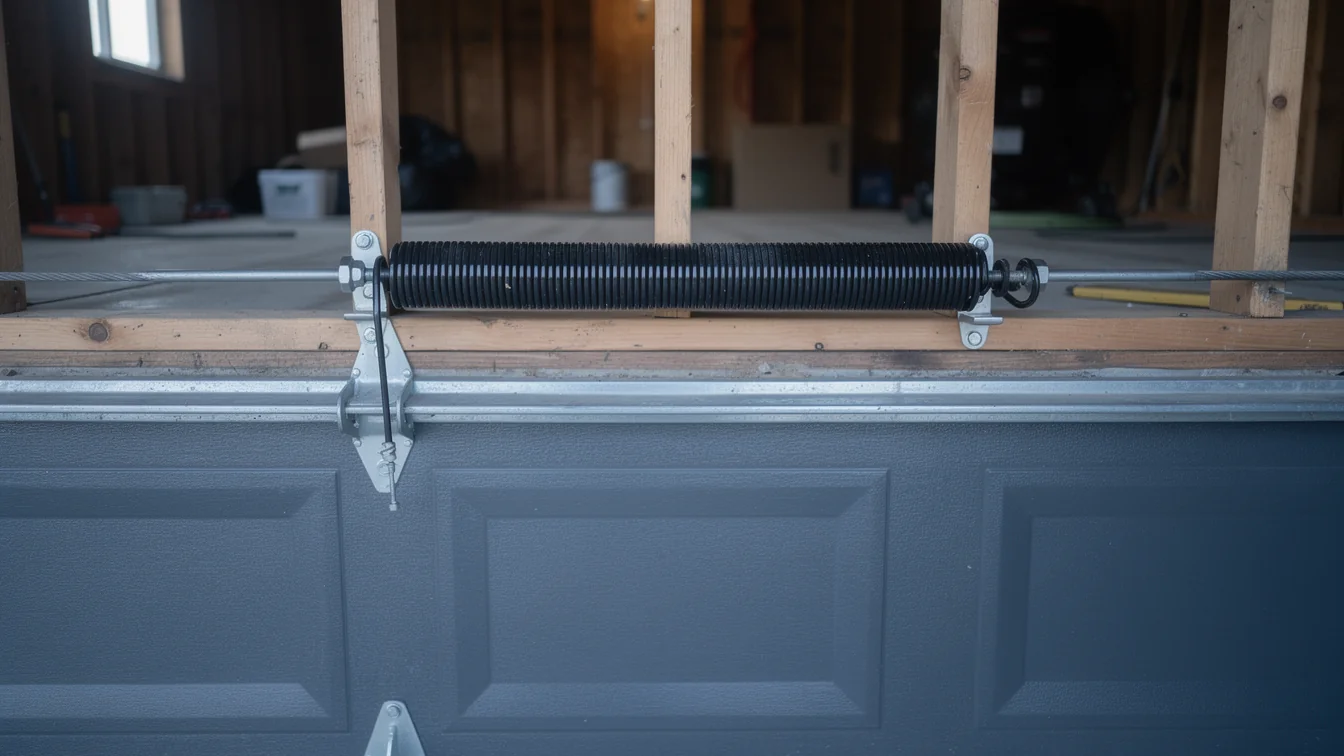 What's Really Behind Garage Door Trouble in Rancho Cucamonga
Rancho Cucamonga's 1958-2007 housing stock means aging torsion springs and original openers.
 What Your Garage Door Is Actually Telling You
A guide for Rancho Cucamonga homeowners on which garage door noises point to real wear in 1960s-70s era hardware, and which ones can wait for a scheduled look.
Ready when you are
Need a garage door sorted in Rancho Cucamonga?
Rancho Cucamonga Garage Door Pros repairs and installs garage doors, springs and openers in Rancho Cucamonga, CA and the surrounding area.