 Is Your Old Garage Door Worth Fixing in Rancho Cucamonga
Rancho Cucamonga homes mostly date 1958-2007, median build year 1976.
What the Age of Your Garage Door Says About Your House
Most Rancho Cucamonga garage doors date to the 1958-2007 building boom, many with no insulation. Here's what that means for repair and replacement calls.
Local detail
The Problem
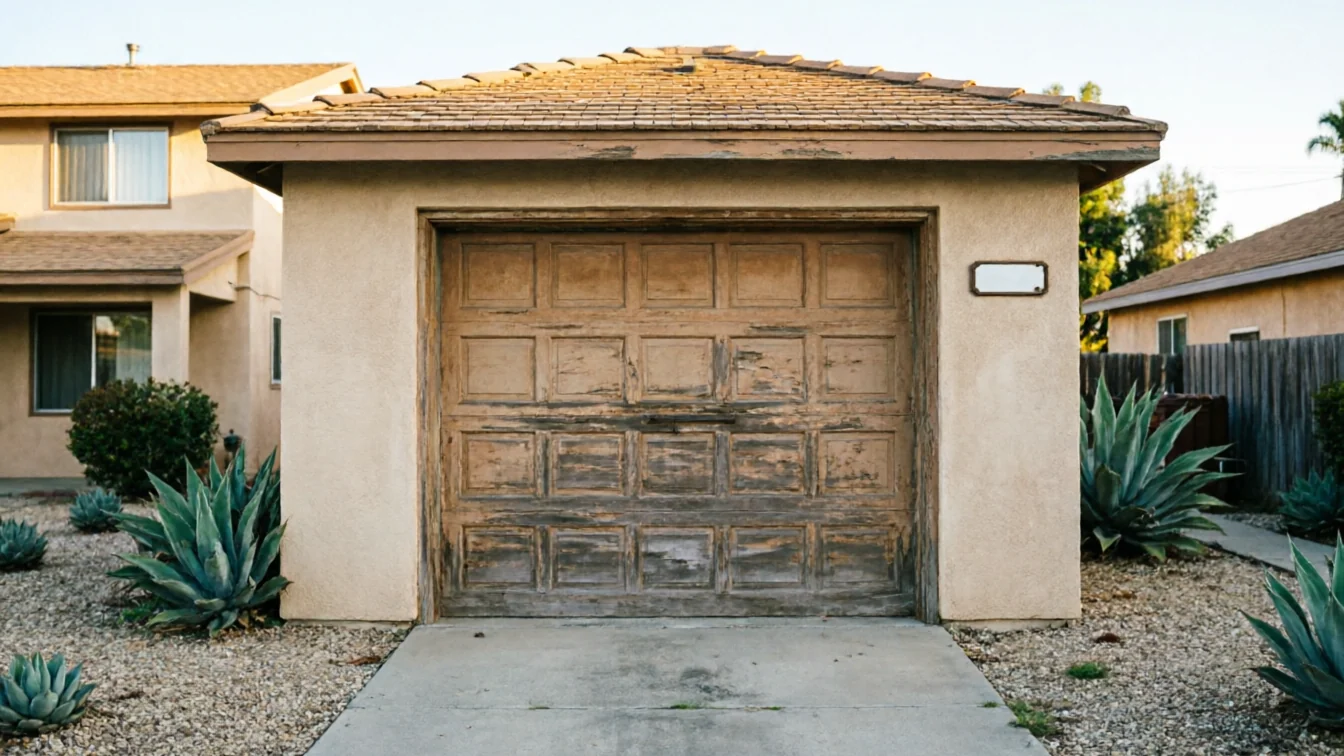
Houses in Rancho Cucamonga mostly went up between 1958 and 2007, and the typical home here dates to around 1976. That matters more than people think when it comes to the garage door. A door installed during that build-out is almost always a single layer of steel or wood with nothing behind it - no foam core, no thermal break. Insulated doors weren't the standard product line yet, so builders put up what was cheap and available, and in a lot of these houses that original door is still hanging on the original hardware.
The practical result is a door that's heavier than it looks, prone to sagging panels after decades of use, and loud when it opens or closes because there's no insulation layer to deaden the sound. None of that is a defect - it's just what building in that era produced. The issue shows up when an owner assumes a "garage door problem" means a broken spring or a bad opener, when sometimes the real issue is a 50-year-old panel that was never built to today's standard in the first place.
The area
What Local Conditions Do
Rancho Cucamonga sits in a moderate heat climate band, not an extreme one, so the garage door isn't fighting hard freezes or brutal humidity swings the way it might elsewhere. What it is fighting is decades of thermal cycling - steel panels heating up during the day and cooling at night, year after year, which eventually shows up as warping at the seams or paint that's cracked along the panel edges.
Across the service area, roughly 21 named communities carry the same mostly 1960s-and-70s housing stock, so this isn't unique to one block. San Antonio Heights, six miles out, and Claremont, eight miles out, both sit on similar mid-century build patterns, which means the same original-door issues - no insulation, aging torsion springs, hardware that's outlived its design life - turn up there too. If your opener strains more than it used to, or the door feels heavier on one side, that's usually age and heat cycling working on an assembly that was never meant to insulate anything, not a sign the opener itself is failing.
What we find
When to Call Someone
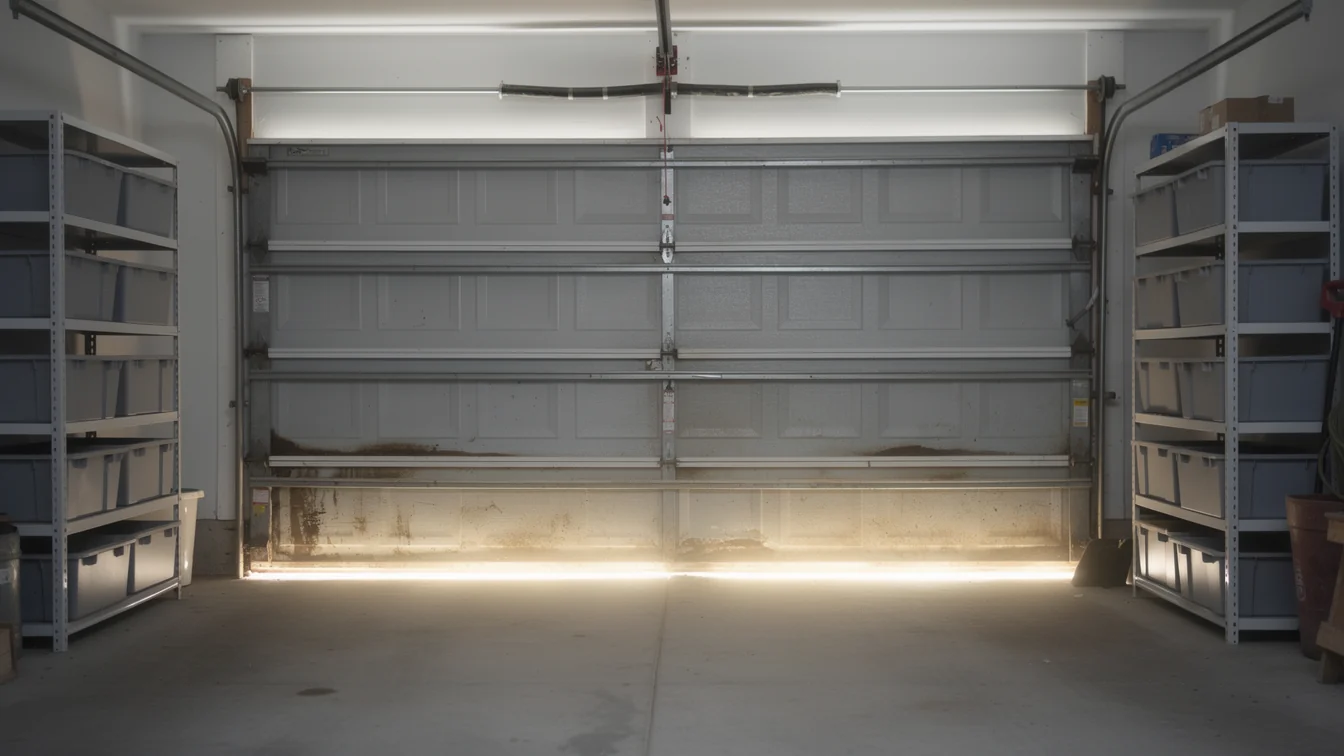
Call when the door won't open smoothly on its own power, when you hear a loud bang followed by the door going dead (that's almost always a snapped torsion spring), or when a panel has visibly bowed or separated at a seam. On houses built in the 1958-2007 window, the springs and cables are frequently original or close to it, and metal fatigue after that many years doesn't give much warning.
Also call if the door is noticeably off-track - rollers grinding, the door binding partway through its travel - because that's a load-bearing issue, not cosmetic, and running the opener against a stuck door burns out the motor fast. Get a quote before you decide whether it's a repair or a full swap; on a door this old, replacing the whole unit with an insulated model is often the more honest answer than patching a 1970s panel piece by piece.
How we work
When Waiting Is Fine
Not everything needs a same-day call. A door that still opens and closes fine but looks dated, or has minor surface rust on an old steel panel, isn't an emergency - it's a cosmetic choice, and with a median household income of $96,190 across the area, most owners here can plan that kind of upgrade on their own timeline rather than treat it like a breakdown.
Here's the honest limit on our end: we don't push insulation retrofits as urgent fixes in a climate this moderate. Adding a foam-core door helps with noise and keeps the garage a little more even temperature-wise, but it isn't solving a heating or cooling emergency the way it might in a place with real winters. If your main complaint is that the door is loud or looks old, that's a budget decision, not a safety one, and there's no reason to rush it.
Questions
Common questions
Why does my garage door feel so heavy compared to newer ones I've seen?
If your house dates to the 1958-2007 build-out common across Rancho Cucamonga, there's a good chance the door is original - a solid steel or wood panel with no insulation core. Those doors weigh more than a modern insulated panel and put more strain on the springs, which is normal for the era but worth knowing before you assume something's broken.
Do I need an insulated door given the climate here?
Not urgently. Rancho Cucamonga sits in a moderate heat band, so insulation is more about noise reduction and a slightly steadier garage temperature than it is about fighting extreme weather. It's a reasonable upgrade when you're already replacing an old door, not a repair you need to rush into on its own.
How do I know if it's the spring or the opener?
A loud bang followed by the door refusing to move under its own power usually means a broken torsion spring, not the opener. On a door from the 1960s-70s stock common in this area, springs are often original and due for failure from age alone. The opener motor straining or clicking without lifting the door points elsewhere.
Recommendation
You Might Also Like
More garage door guides for Rancho Cucamonga homeowners.
Is Your Old Garage Door Worth Fixing in Rancho Cucamonga
Rancho Cucamonga homes mostly date 1958-2007, median build year 1976.
 What a Service Call Actually Covers
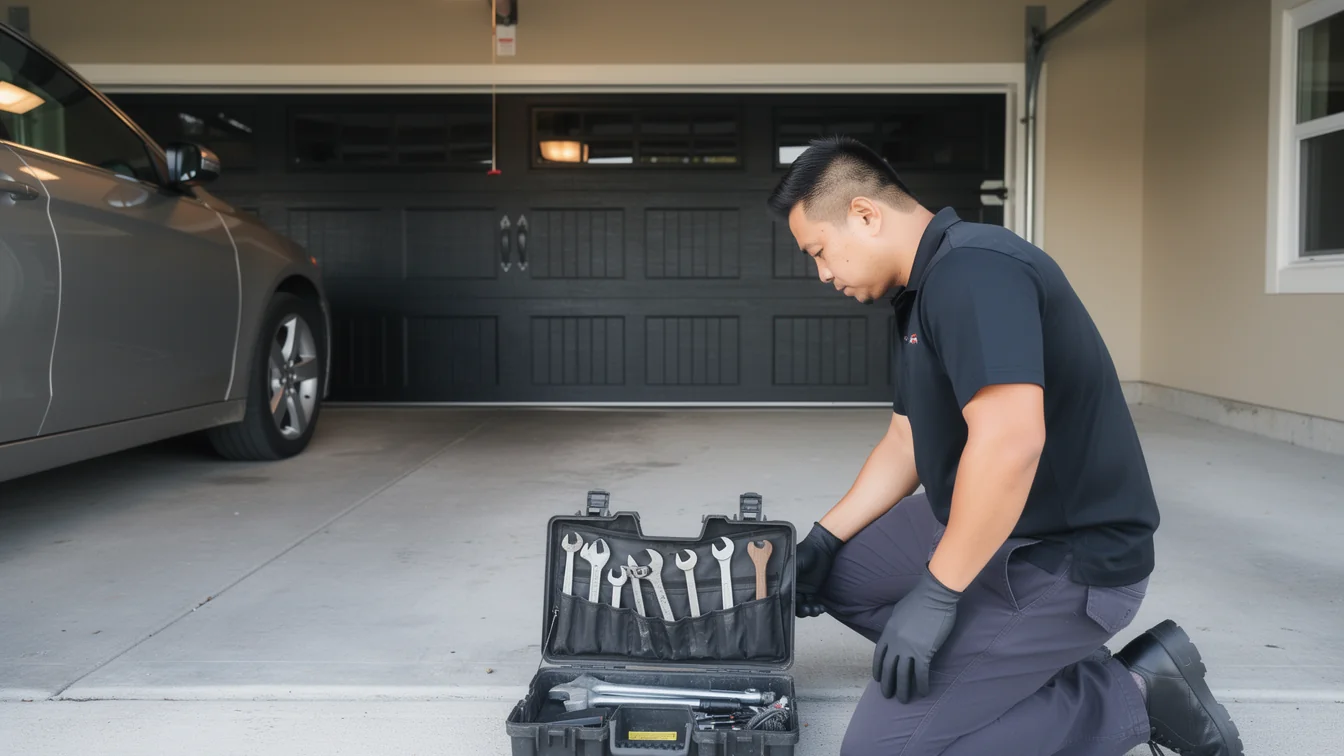
A service call in Rancho Cucamonga usually means a 1960s-70s door, heat-dried lubrication, or hardware as old as the house itself - here's what gets checked.
 What's Really Behind Garage Door Trouble in Rancho Cucamonga
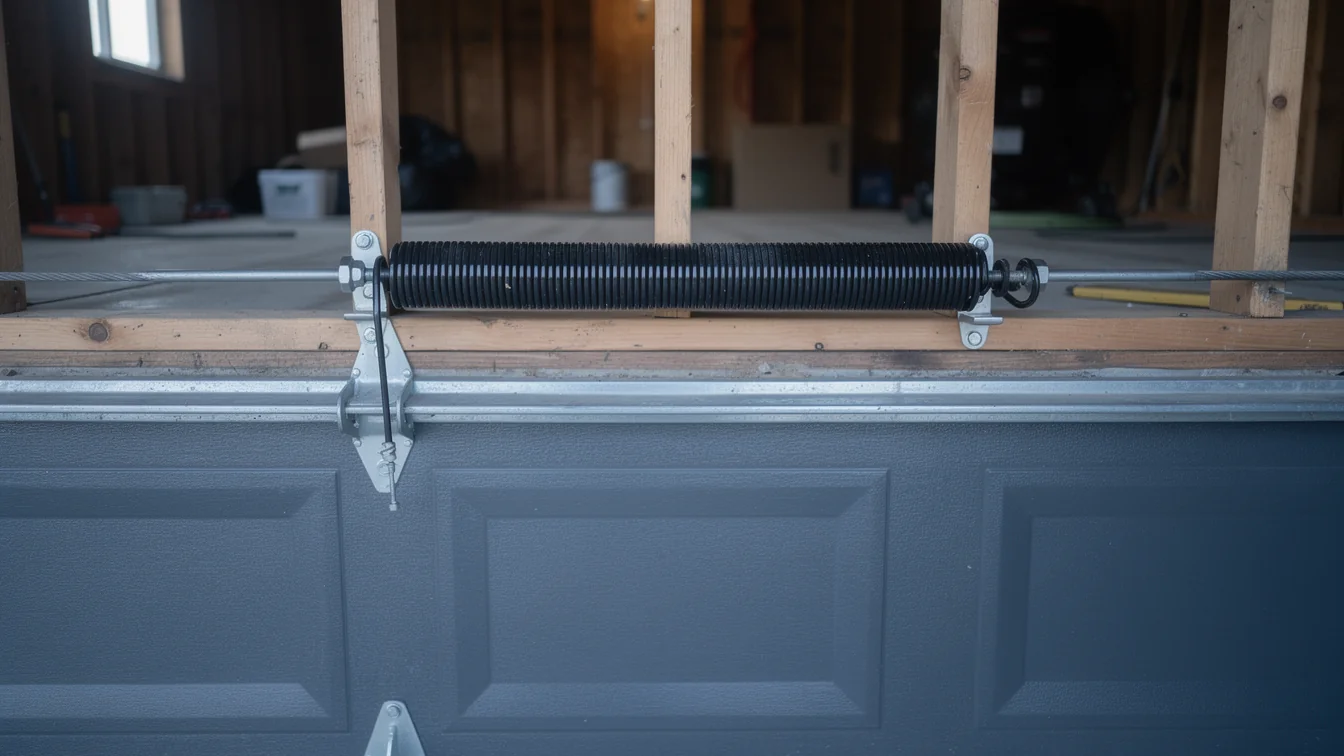
Rancho Cucamonga's 1958-2007 housing stock means aging torsion springs and original openers.
Ready when you are
Need a garage door sorted in Rancho Cucamonga?
Rancho Cucamonga Garage Door Pros repairs and installs garage doors, springs and openers in Rancho Cucamonga, CA and the surrounding area.