Rancho Cucamonga, CA
Garage Door Opener Repair Across Rancho Cucamonga and the Surrounding Service Area
Opener grinding, reversing, or dead on arrival? Rancho Cucamonga's 1960s-2000s housing stock and summer heat wear openers in predictable ways. Here's what to expect.
Why It Happens Here
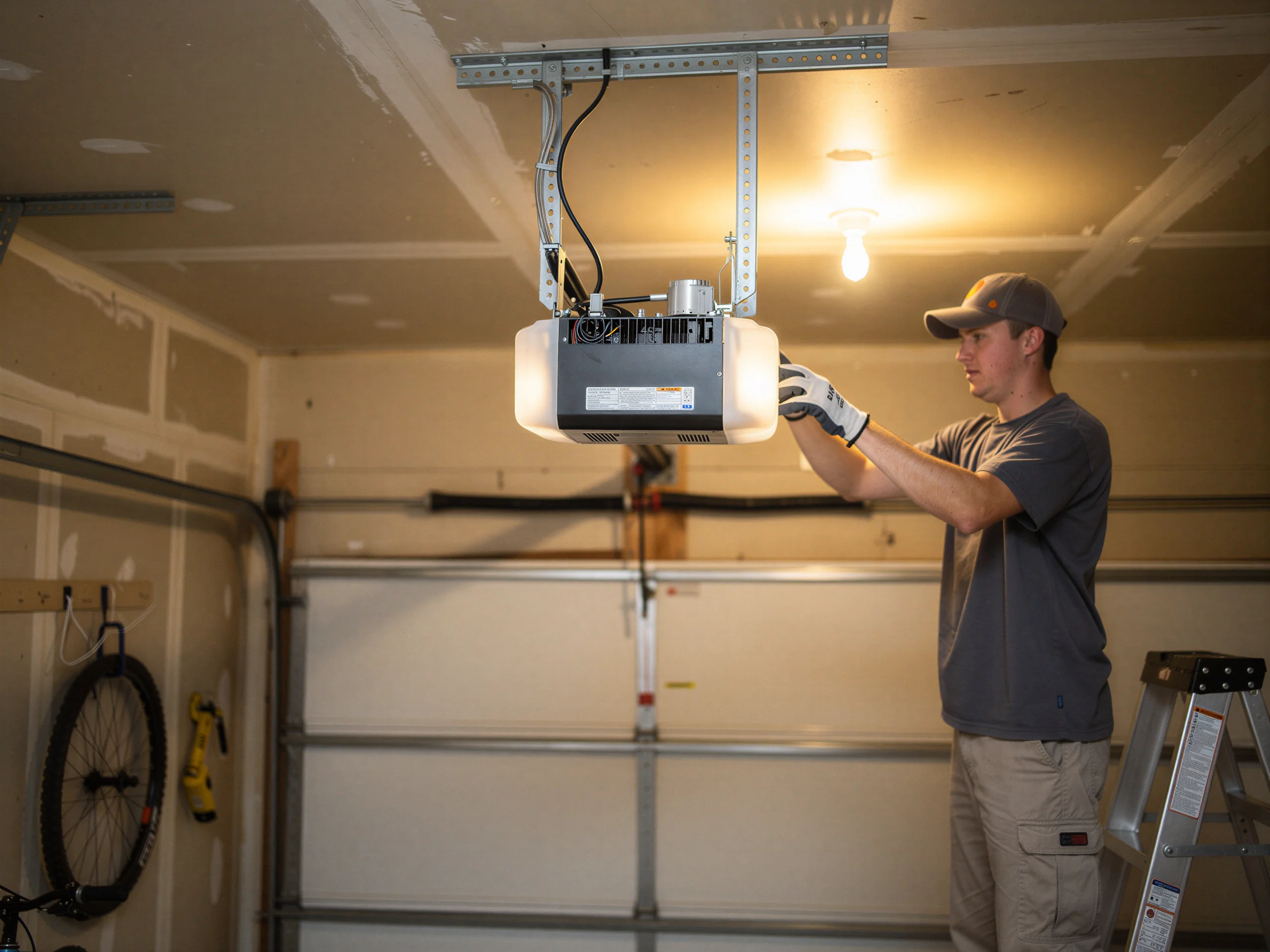
Most of the houses this company works on went up between 1958 and 2007, with the bulk of that stock dating to the 1960s and 70s across the 21 communities we cover. That matters for openers because a huge share of those original units, and even their first-generation replacements, used gear-driven motors with plastic drive gears that were never built to run 40 or 50 years. Owners who bought the house, not the opener, often have no idea how old the unit actually is until it starts slipping.
Heat is the other half of it. This area sits in a moderate-to-hot climate band, and garage interiors run well above outside temperature on summer afternoons. Lubricant in an aging gearbox thins out, capacitors in the motor windings degrade faster under sustained heat, and circuit boards in older logic units start throwing intermittent faults - the kind that work fine in the cool morning and die by 3pm. We see this pattern across the whole service area, from the foothill-adjacent tracts near San Antonio Heights down through the flatter 1970s subdivisions closer to Rialto and Colton.
Newer homes built in the 1990s and 2000s push aren't immune either - they just fail for a different reason: worn drive belts and failing sensor wiring rather than stripped gears.
How It Shows Up
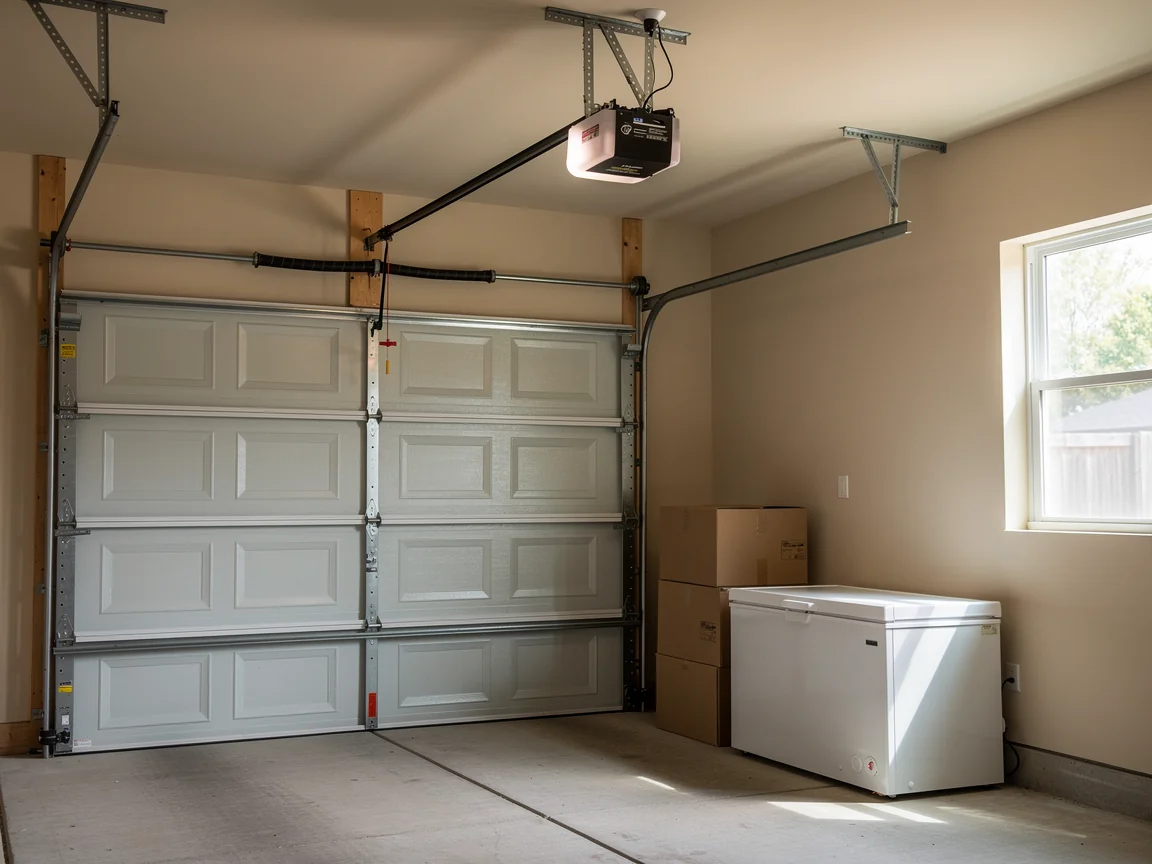
The most common call is an opener that runs the motor but the door doesn't move - usually a stripped gear or a sheared drive mechanism, more common on units installed when the house was built or shortly after.
Dusty safety sensors
Close behind is a door that reverses immediately after it starts closing, which is almost always a safety sensor out of alignment or caked in dust, not a broken opener at all. You'll also hear it before you see it: a healthy opener hums evenly through a full cycle.
Intermittent remote faults
A failing one grinds, clicks, or pauses mid-travel. Remotes that work intermittently, or only from inside the garage, usually point to a dying circuit board rather than a dead battery, especially once you've already swapped the battery and the problem is still there.
Worn capacitor delays
Some owners notice the opener running longer and louder than it used to before the door actually moves - that delay is often a worn capacitor struggling to deliver the starting torque the motor needs, a failure mode we see more in summer when the garage has been baking all day. None of these symptoms require guessing once we're looking at the unit, but by phone they can look identical to three or four different problems.
What It Costs
We don't publish a flat number here because opener repair cost depends on what's actually wrong - a sensor realignment is a different job than a logic board or a full motor replacement, and we're not going to quote one over the phone before we've seen the unit.
Gearbox or motor failure
What we can tell you is how we think about it: if the gearbox or motor on an older unit has failed, we'll walk you through repair versus replacing the whole opener, because on a unit that's already a couple decades old, sinking money into a dying motor rarely makes sense next to a new unit with a warranty.
Straight answers, no pitch
Household income in the service area runs a median of $96,190, and most of the owners we work with want a straight answer, not a sales pitch toward the most expensive option.
Fried board replacement
If a sensor cleaning and realignment fixes it, that's the job. If the board is fried on a unit from the original 1970s installation, replacement usually costs less over time than chasing parts for a model that hasn't been made in decades.
How Long You Are Without the Door
A sensor or wiring fix is usually resolved same visit, start to finish, once the technician is on site. A stripped gear or failed board replacement takes longer only if the part isn't something we carry on the truck - older gear-driven units, especially ones original to a 1960s or 70s build, sometimes need a specific gear kit we have to order in.
In the meantime, the door can typically still be opened and closed by hand with the opener disconnected, which matters if it's the only garage access to the house. We'll tell you plainly if your unit is a same-day fix or a parts-order situation before we start, not after.
Questions
Common questions
Why does my garage door opener only act up in the afternoon?
Heat is the usual cause. Garages in this area get hot enough in the afternoon to thin out gearbox lubricant and stress aging capacitors and circuit boards, especially in units installed decades ago. The opener runs fine in the cool morning and starts grinding, pausing, or failing by mid-afternoon.
Is it worth repairing an opener from the original house build?
Depends what's broken. A sensor or wiring issue is usually a cheap fix regardless of the opener's age. But if the motor or gearbox has failed on a unit original to a 1960s or 70s build, replacement is often the better move since parts for those models are getting harder to find.
My door reverses right after it starts closing - is that the opener?
Usually not. That's almost always the safety sensors near the floor being misaligned or dirty, not a failing opener. We check sensor alignment before we touch the motor or logic board, since it's the simpler and far more common cause.
Do you give a price before you see the opener?
Not a firm one, because a sensor fix and a motor replacement cost very differently. We'll tell you what we think it likely is based on the symptoms, then confirm once we've looked at the actual unit.
Explore more
Explore More Services In Rancho Cucamonga, CA
Garage Door Panel Replacement for Rancho Cucamonga Homes
Dented or cracked garage door panels are common on Rancho Cucamonga's 1960s-2000s housing stock. Learn more →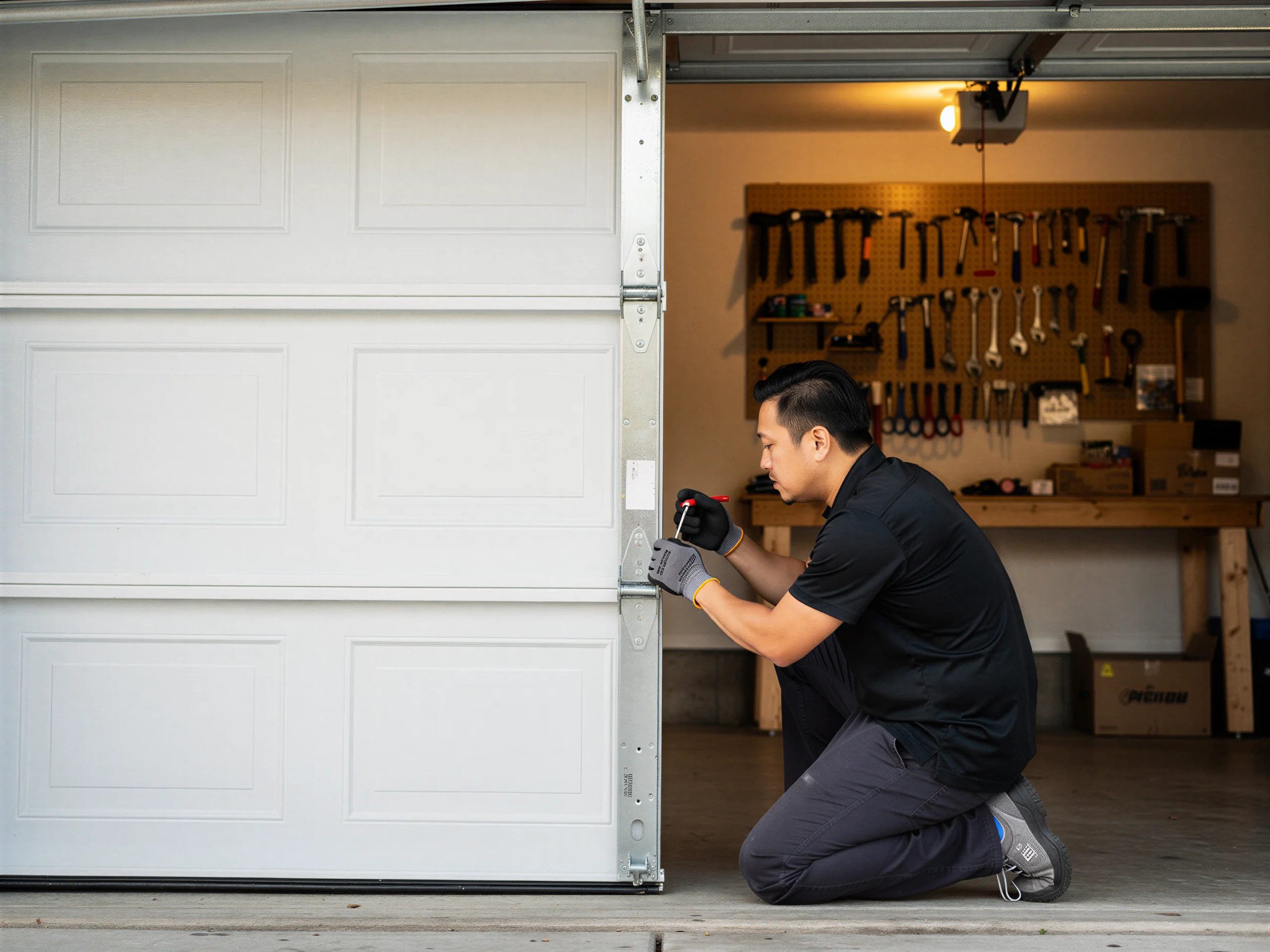
Garage Door Repair for Rancho Cucamonga Homes
Torsion springs and opener gears failing on 1960s-70s Rancho Cucamonga homes. Learn more →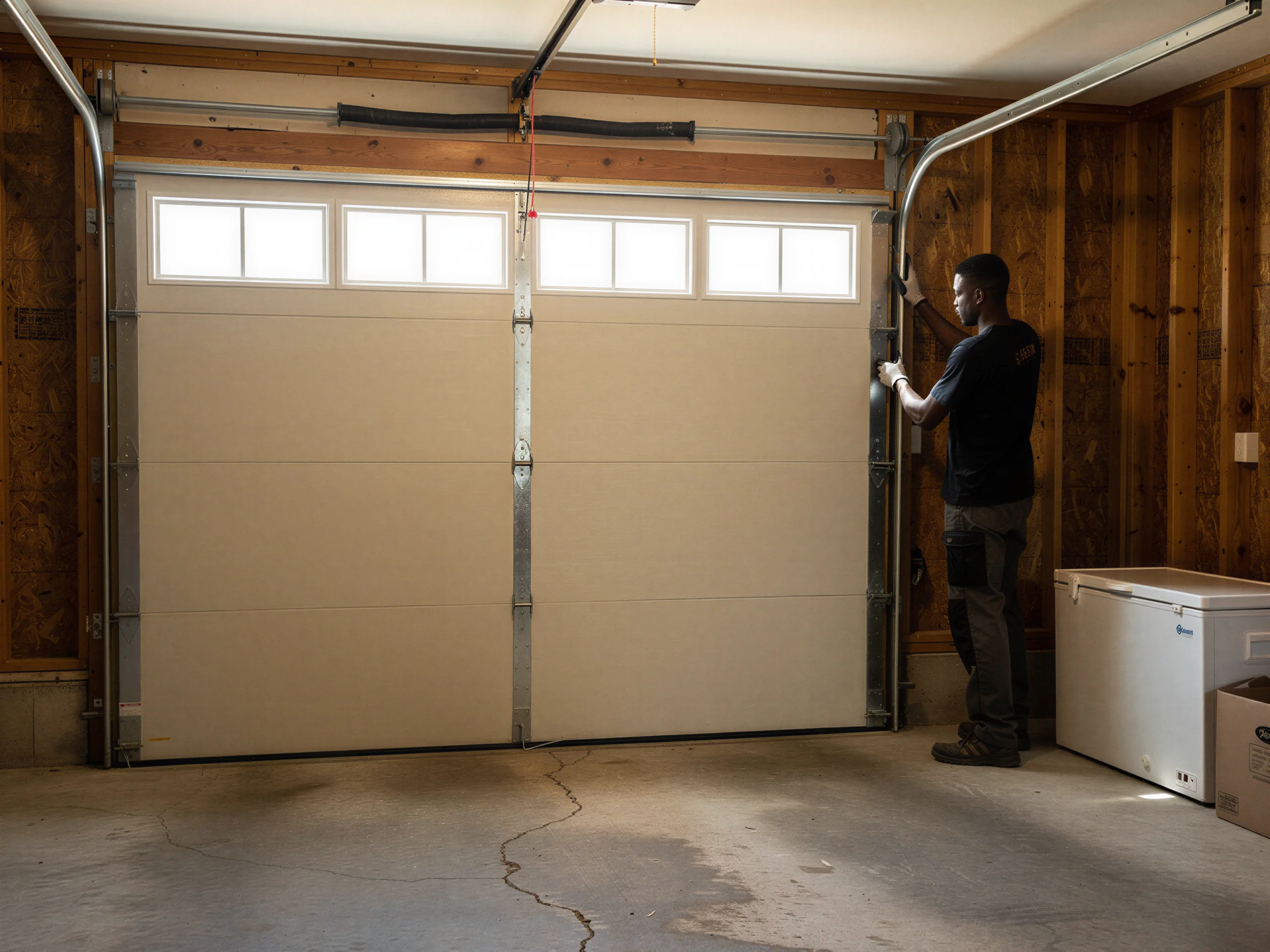
Garage Door Installation Built for Rancho Cucamonga's Housing Stock
Most Rancho Cucamonga homes went up between 1958 and 2007, with a median build year of 1976 - that means original hardware sized for doors no longer made. Learn more →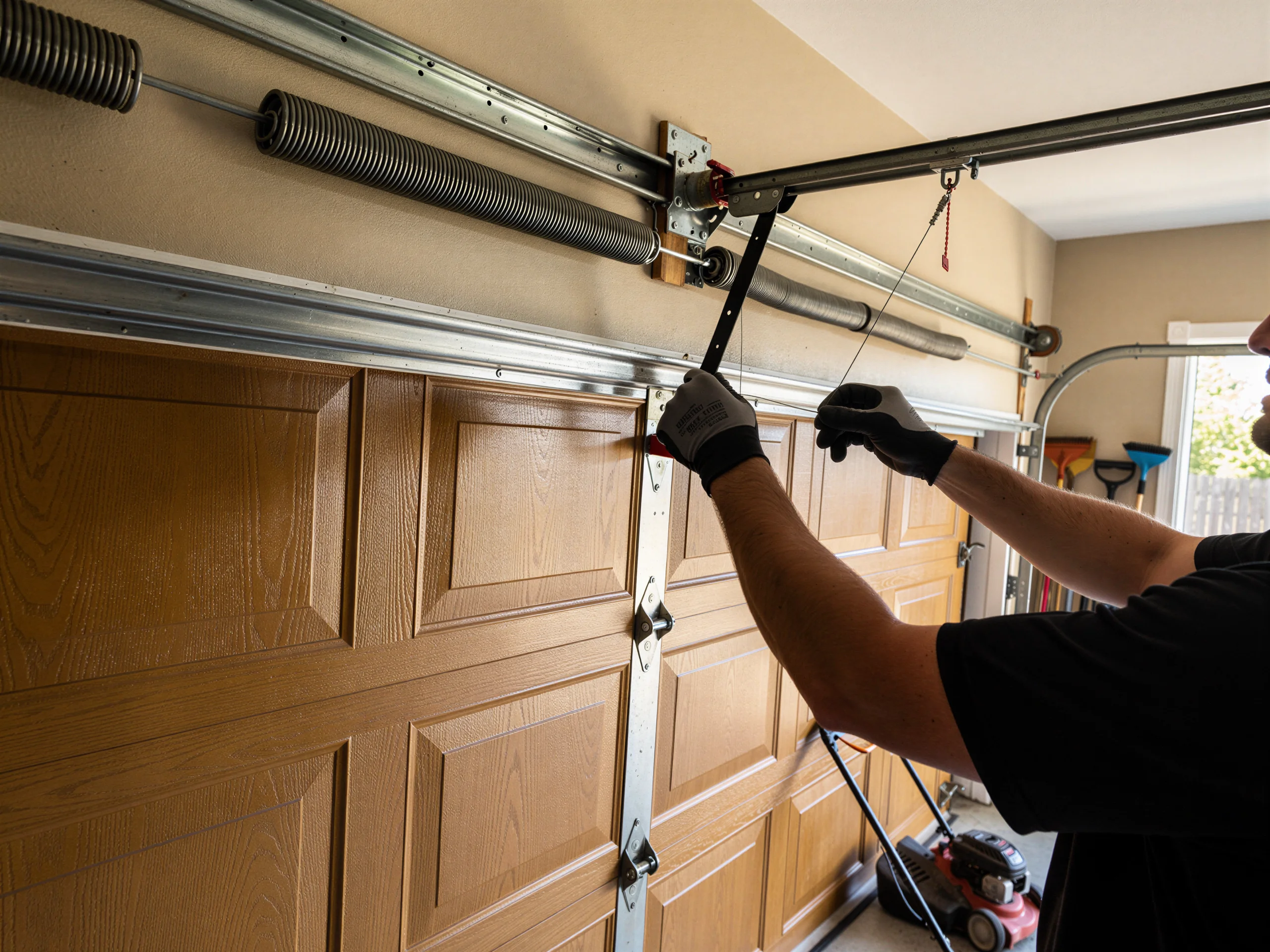
Garage Door Spring Repair Across the Rancho Cucamonga Area
Torsion and extension springs here are wearing out on schedule with 1960s-70s housing stock. Learn more →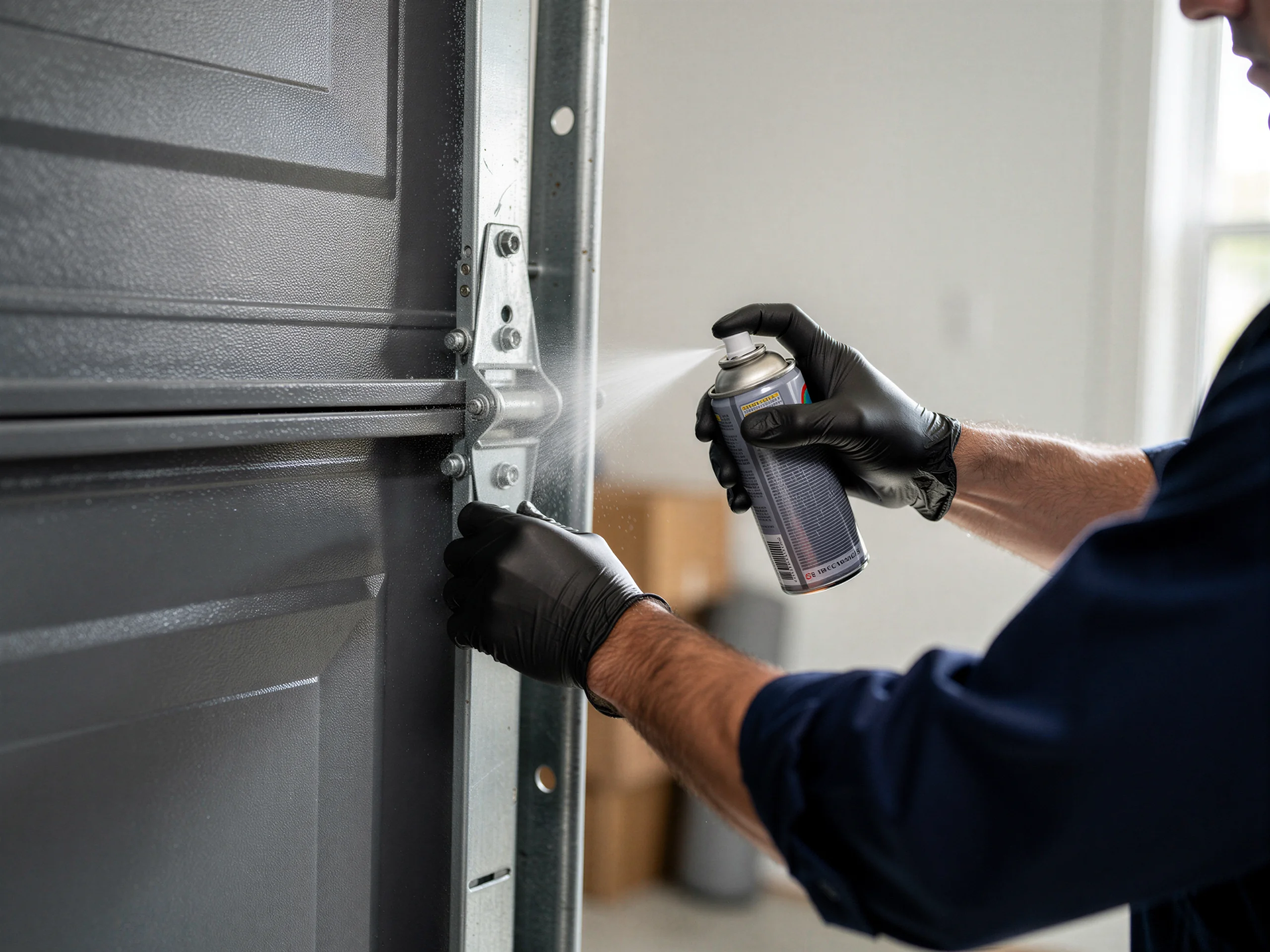
Garage Door Service Built Around Rancho Cucamonga's Housing Stock
Garage door service in Rancho Cucamonga built around local housing stock from 1958-2007 and moderate heat cycles. Learn more →
Garage Door Maintenance for Rancho Cucamonga Area Homes
Garage door maintenance built for Rancho Cucamonga's 1958-2007 housing stock and heat exposure. Learn more →Ready when you are
Garage door opener acting up in Rancho Cucamonga?
Rancho Cucamonga Garage Door Pros repairs and installs garage doors, springs and openers in Rancho Cucamonga, CA and the surrounding area.