Rancho Cucamonga, CA
Garage Door Spring Repair Across the Rancho Cucamonga Area
Torsion and extension springs here are wearing out on schedule with 1960s-70s housing stock. See why this fault is common and what drives the repair.
Why It Happens Here
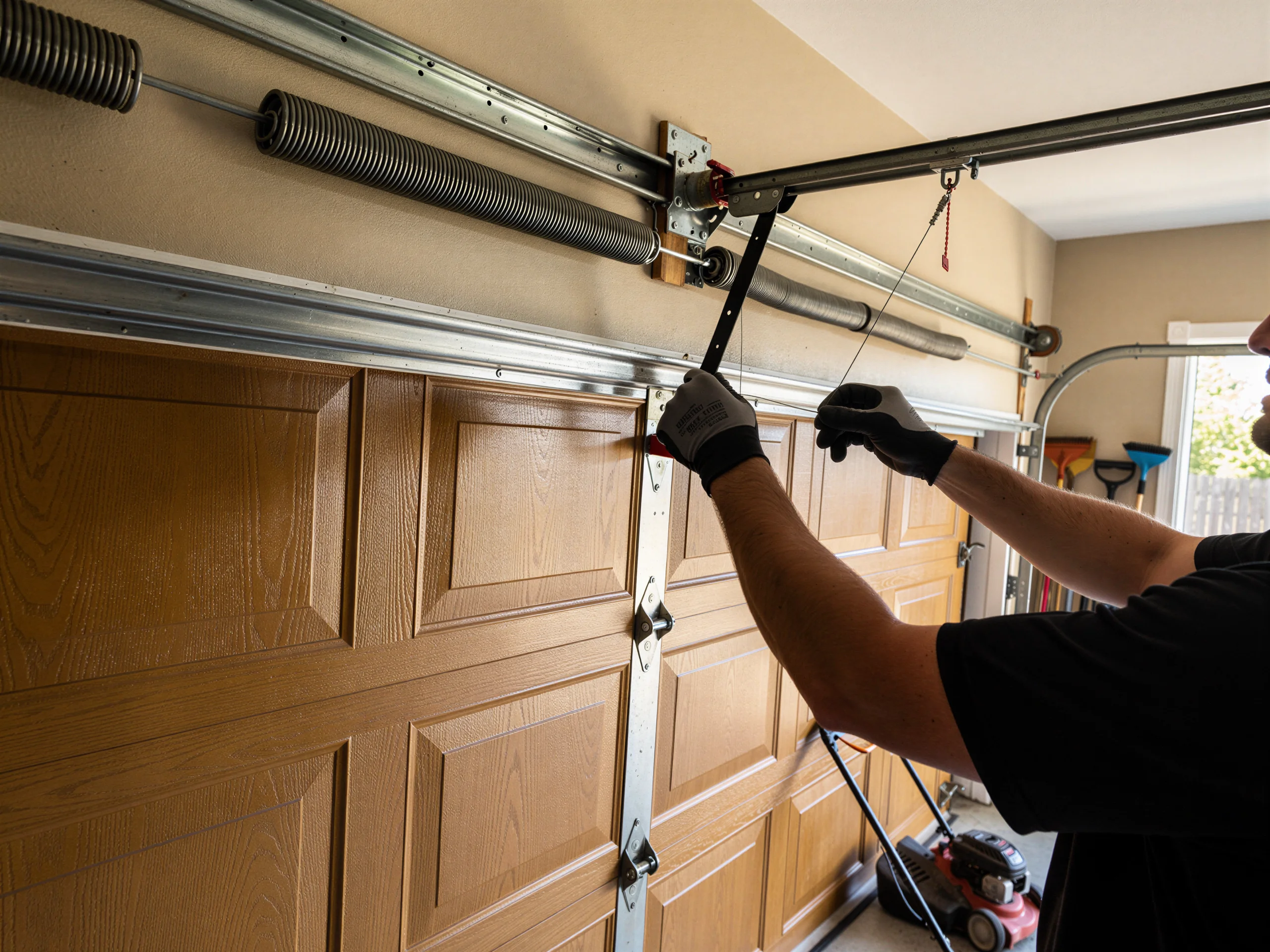
Most houses in Rancho Cucamonga's service area went up between 1958 and 2007, with the median build year landing at 1976, which means a lot of original torsion hardware from the 1970s is still working past its design life. A torsion spring is rated for a number of open-close cycles, not a number of years, and a spring installed when a house was framed has usually put in more cycles than its coil wire was built for.
Across the 21 communities this area covers, the bulk of the stock dates to the 1960s and 70s, so extension-spring setups on older single doors are common failure points. Extension springs stretch along the horizontal track instead of winding on a shaft, and the end hooks and safety cables on these older setups fatigue and corrode faster than torsion coils do.
Rancho Cucamonga's moderate heat band still pushes steel through daily expansion and contraction that fatigues torsion coils faster than a mild, stable climate would. That daily cycling adds up over decades, and it's a big reason spring failure shows up as a predictable wear pattern tied to a house's age rather than as a random breakdown.
How It Shows Up
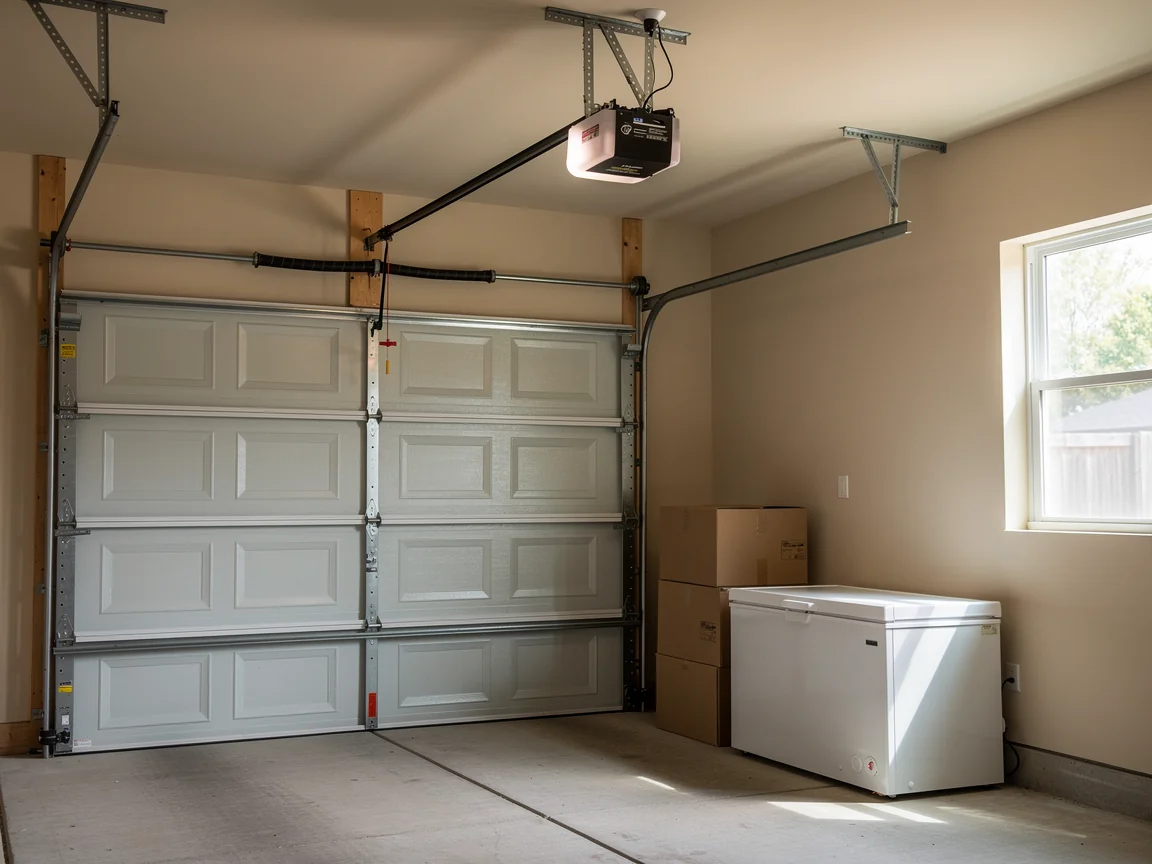
A spring going bad rarely announces itself with a bang, though sometimes it does. More often the first sign is a door that feels heavier than it used to - the opener strains, grinds, or stalls partway up because it's trying to lift weight the spring used to carry. On a manual door you'll feel it the moment you lift: no resistance near the top, then it drops instead of staying put.
On torsion setups, a snapped spring usually leaves a visible gap in the coil above the header, and the door won't move at all under power. On extension setups, you might see a stretched or disconnected spring hanging along the track, or a frayed safety cable that's about to let go.
A door that slams down instead of lowering smoothly, cables that look slack on one side, or a double door that lifts unevenly - higher on one end than the other - all point to spring trouble rather than an opener problem. If the opener motor sounds like it's working much harder than it used to, that's usually the spring losing its lift, not the motor failing.
What It Costs
Spring repair pricing depends on spring type, door weight, and whether one spring failed or both are close behind it. Torsion and extension springs aren't interchangeable and aren't priced the same, and a double door carries more weight per spring than a single door does, which changes what size spring the job needs.
Weight and spring type
We don't quote a number over the phone without knowing the door's weight and spring type, because guessing leads to the wrong part showing up on the truck.
Replace springs in pairs
What we can tell you is that replacing both springs on a torsion system at the same time, even if only one has broken, is usually the right call rather than a sales pitch - springs installed together wear together, and the second one failing a few months later means a second service call and a second trip charge.
Full torsion replacement
With a median household income of $96,190 across the service area, most owners here choose full torsion replacement over patched repairs when a spring fails. That's a judgment call on value, not a requirement - a single spring swap is a legitimate repair when the second spring is newer or clearly in better shape.
How Long You Are Without the Door
A standard torsion or extension spring replacement on a residential door is usually a same-day fix once a truck is on site - the work itself is a matter of hours, not days.
Nonstandard spring hardware
Where it slows down is parts availability for non-standard setups. Houses built on the earlier end of the 1958-2007 range sometimes have spring shafts, drums, or mounting brackets sized to hardware that isn't stocked on current trucks, and those occasionally need to be special-ordered.
Original torsion tube
That's a real limitation worth naming: if your door still has its original 1970s-era torsion tube and end bearing plates, matching new springs to that exact hardware can add a delay that a newer door wouldn't have. For most homes in this area, though, the hardware is a known size and the job doesn't require a special order.
Nearby towns, same turnaround
San Antonio Heights sits six miles out and Claremont eight, both within the same housing-era band that drives spring wear here, and the typical turnaround for either is the same as it is anywhere else in the service area - get the spring type and weight confirmed, and the repair itself doesn't stretch into a second visit.
Questions
Common questions
How do I know if it's the spring and not the opener?
If the opener strains, grinds, or stalls but the motor itself still runs, the spring is almost always the problem - it's no longer helping lift the door's weight. A dead opener that doesn't make any sound at all is a separate issue. A visible gap in a torsion coil or a stretched, disconnected extension spring confirms it.
Can I replace just one spring instead of both?
Yes, if the second spring is newer or shows no wear, replacing one is a legitimate repair. Many owners choose to replace both at once because springs installed together tend to fail close together, which avoids a second service call a few months later.
Is it safe to open the door manually with a broken spring?
You can, but the door will be heavy and can drop suddenly, especially on a double door. Treat a broken spring as a reason to stop using the door until it's repaired, not something to work around by lifting it by hand.
Why would parts take longer on an older house?
Homes toward the early end of the 1958-2007 build range sometimes carry original torsion shafts or mounting hardware that current trucks don't stock as standard sizes. When that happens, matching springs to the existing hardware can require a special order rather than a same-day swap.
Explore more
Explore More Services In Rancho Cucamonga, CA
Garage Door Roller Replacement, Rancho Cucamonga
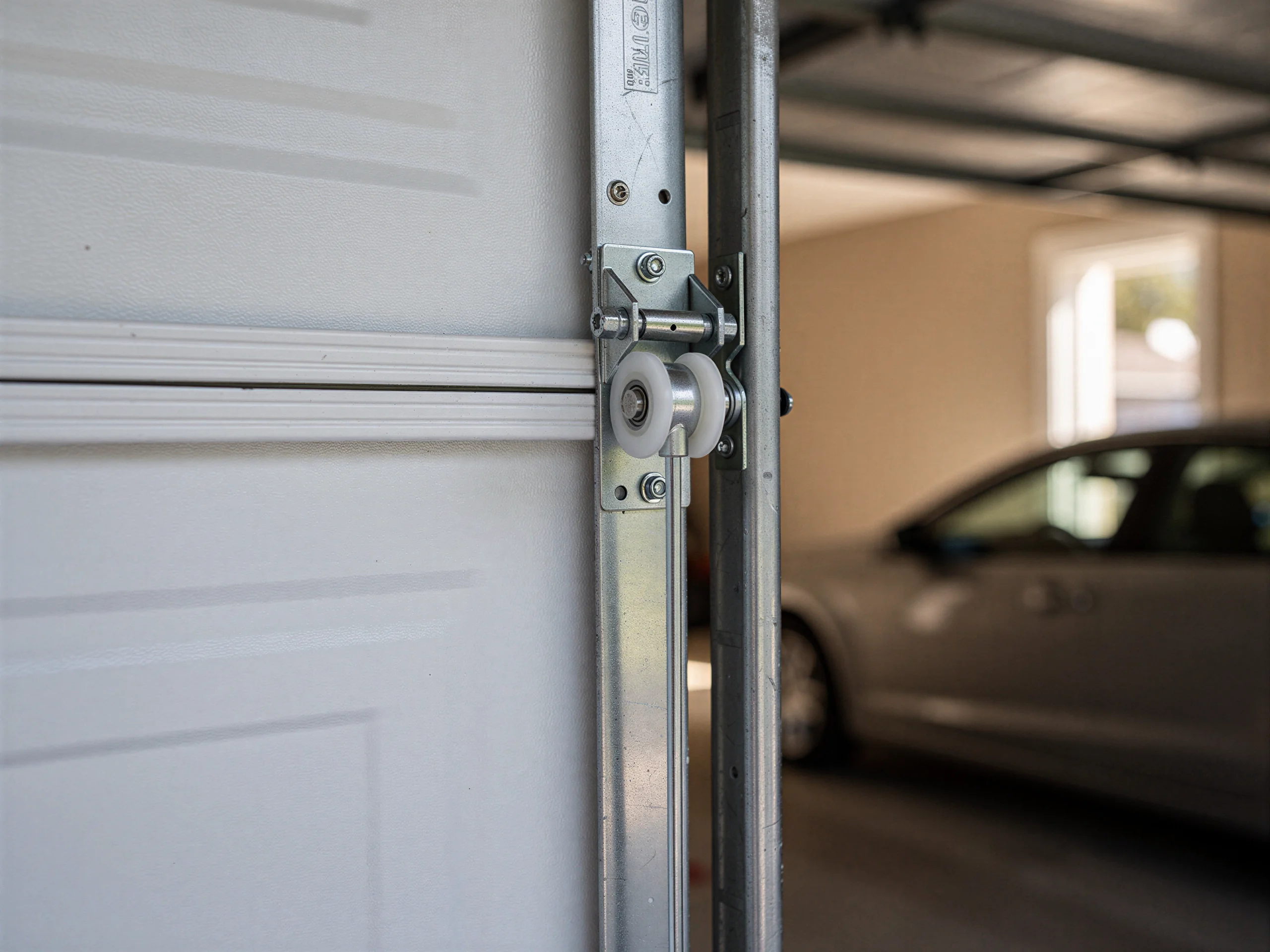
Why roller failure is so common on Rancho Cucamonga's 1958-2007 housing stock, what drives the repair cost, and how long your door is actually out of service. Learn more →
Garage Door Opener Repair Across Rancho Cucamonga and the Surrounding Service Area
Opener grinding, reversing, or dead on arrival? Learn more →
Garage Door Repair for Rancho Cucamonga Homes
Torsion springs and opener gears failing on 1960s-70s Rancho Cucamonga homes. Learn more →
Garage Door Installation Built for Rancho Cucamonga's Housing Stock
Most Rancho Cucamonga homes went up between 1958 and 2007, with a median build year of 1976 - that means original hardware sized for doors no longer made. Learn more →
Garage Door Maintenance for Rancho Cucamonga Area Homes
Garage door maintenance built for Rancho Cucamonga's 1958-2007 housing stock and heat exposure. Learn more →
Garage Door Panel Replacement for Rancho Cucamonga Homes
Dented or cracked garage door panels are common on Rancho Cucamonga's 1960s-2000s housing stock. Learn more →Ready when you are
Broken garage door spring in Rancho Cucamonga?
Rancho Cucamonga Garage Door Pros repairs and installs garage doors, springs and openers in Rancho Cucamonga, CA and the surrounding area.